Freeze-Dried vs Fresh Dog Food: What Actually Changes in the Bowl
A neurologist's mechanism-aware breakdown of freeze-dried and fresh dog food — how each is processed, what happens to the gut, and how to choose.
Your friendly, practical guide to dog breeds — temperament, care, and finding the right fit.
67 guides in this section.
A neurologist's mechanism-aware breakdown of freeze-dried and fresh dog food — how each is processed, what happens to the gut, and how to choose.
A veterinary nutritionist weighs free-feeding against scheduled meals for dogs, looking at weight control, GI health, and what the research actually supports.
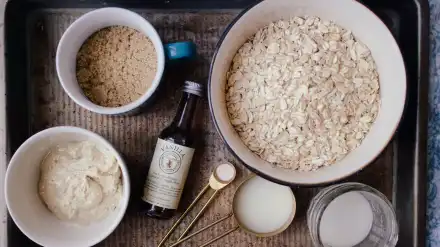
A neurologist's practical criteria for building a homemade dog food recipe that is actually nutritionally complete, not just home-cooked.
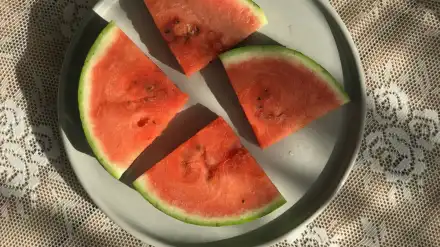
Dogs can eat watermelon flesh in moderation, but seeds and rind carry real risk. A veterinary nutritionist breaks down safe portions, prep, and who should skip it.
A veterinary nutritionist breaks down when plain turkey is a fine addition to a dog's bowl, and where bones, skin, and seasoning turn it into an ER visit.
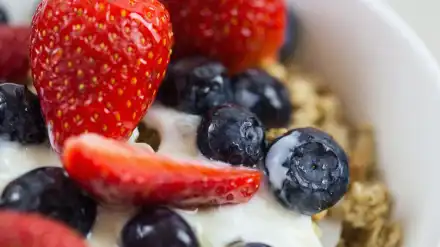
Yes, dogs can eat strawberries in modest, well-prepped amounts. Here's what the fruit actually offers, how much is reasonable, and which dogs should be more careful.
Plain, air-popped popcorn is generally fine for dogs in small amounts, but kernels, butter, salt, and seasonings each carry their own risk. Here's how to read the bowl before you share.

Plain green beans are safe for most dogs in modest amounts. Here's what the fiber and calorie profile actually does, how prep changes the risk, and which dogs need a closer look before adding them to the bowl.
Yes, dogs can eat eggs — cooked, plain, and in moderation. Here's what a whole egg actually offers a dog's diet, where raw eggs create real risk, and how much is too much.
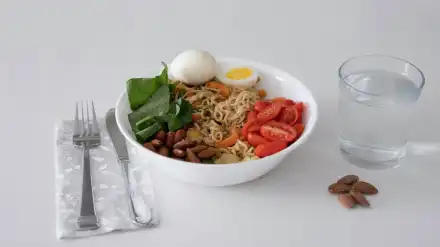
A vet-reviewed look at whether dogs can eat cheese safely, which types carry the most risk, and how much is actually reasonable for a healthy dog.

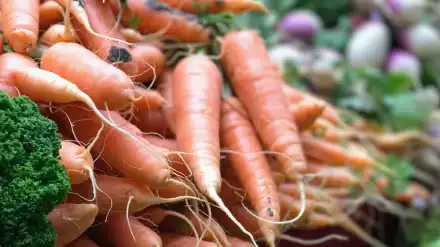
Carrots are one of the few human foods a veterinary nutritionist can recommend without much hedging. Here's the checklist for feeding them safely, what the vitamin A actually does, and where the real risks sit.
A vet-informed look at avocado and dogs: what persin really does, why the pit is the bigger threat, and how much flesh is genuinely risky.

A board-certified veterinary neurologist walks through what apples actually offer a dog nutritionally, why the seeds and core deserve real caution, and which dogs should skip the fiber load.

Onions are toxic to dogs in every form — raw, cooked, powdered, or hidden in broth. A vet neurologist explains the mechanism, the real risk threshold, and what to do if your dog eats one.

Grapes and raisins are toxic to dogs and can trigger sudden kidney failure. A neurologist explains the tartaric acid mechanism, the unpredictable dose, and what to do if your dog eats one.

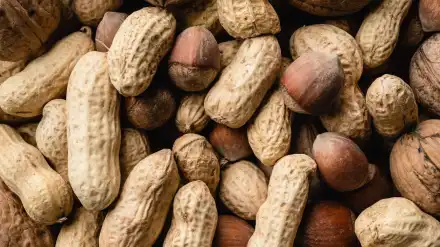
A neurologist-informed breakdown of which nuts are genuinely toxic to dogs, which are just risky in large amounts, and what signs warrant a call to your vet.
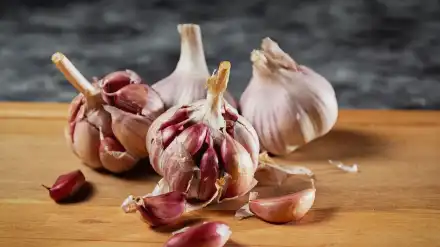
A vet neurologist walks through the toxicology behind garlic and dogs — the mechanism, the dose thresholds, the warning signs, and why 'a little bit' isn't the safety margin most owners assume.
A board-certified veterinary nutritionist explains how to change food for a senior dog safely, including transition timelines, GI red flags, and when to call your vet.

A board-certified veterinary nutritionist explains when sweet potato is safe for dogs, how to prepare it, how much to feed, and which dogs should eat less.