On this page
A client of mine once called in a mild panic because her Beagle had pulled a foil packet of garlic bread off the counter and eaten most of it before she caught him. He seemed fine — tail wagging, no vomiting — and she wanted to know if she should really worry. That gap between how a dog looks right after eating garlic and what’s actually happening inside his bloodstream is the whole story here.
Is garlic safe for dogs? Not really — vets classify it as toxic even at small culinary doses. That’s not a scare tactic; it reflects how Merck Veterinary Manual and other veterinary toxicology references classify the plant family garlic belongs to.
What Makes Garlic Risky for Dogs
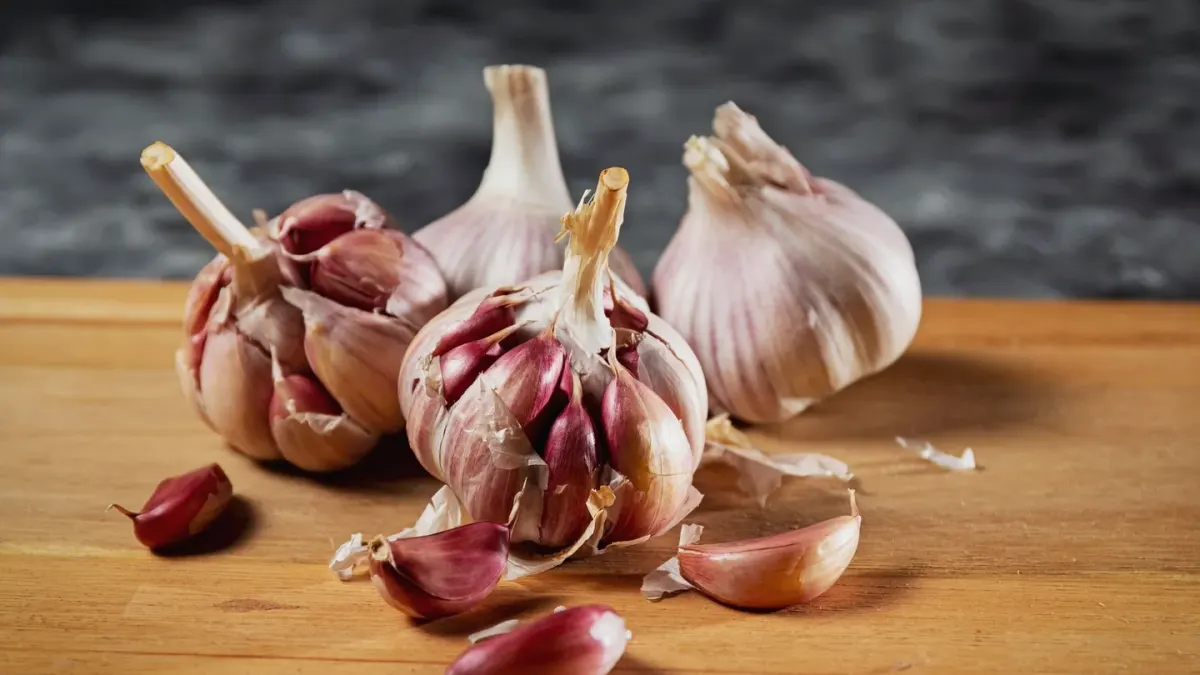
Garlic is an Allium species, in the same family as onions, leeks, shallots, and chives. What matters clinically isn’t a stomach-level irritant — it’s what the compounds do once they’re absorbed. Garlic contains thiosulfates and related sulfur compounds that oxidize hemoglobin inside red blood cells. That oxidized hemoglobin clumps into structures called Heinz bodies, which make the cell membrane rigid and fragile. A dog’s spleen then filters out those damaged cells faster than the bone marrow can replace them, and the result is hemolytic anemia. This is a mechanism problem, not a digestive one, and it’s worth understanding that distinction before deciding how worried to be about a given exposure.
According to the ASPCA, garlic is considered three to five times more concentrated than onion on a weight basis, and cooking or powdering it doesn’t neutralize the compounds involved. Garlic powder, garlic salt, and dehydrated garlic in seasoning blends carry the same risk profile as fresh cloves — sometimes a more concentrated one, because the water has been removed.
How Much Garlic Actually Causes a Problem
Dose matters, and this is where nuance gets lost in a lot of online advice. The toxic threshold scales with a dog’s body weight and how concentrated the garlic was. A single lick of garlic butter off a dropped plate is a different exposure than a dog working through a full bulb left on the counter. Small-breed dogs and certain Japanese breeds, including Akitas and Shiba Inus, tend to be more genetically sensitive to Allium compounds, so the same amount that a large mixed-breed dog shrugs off could matter more for them.
None of that changes the bottom line: there’s no dose veterinary medicine recommends as a routine, intentional part of a dog’s diet. Small amounts isn’t a category with an established safety margin — it’s just a lower-probability version of the same risk.
Signs of Garlic Toxicity to Watch For
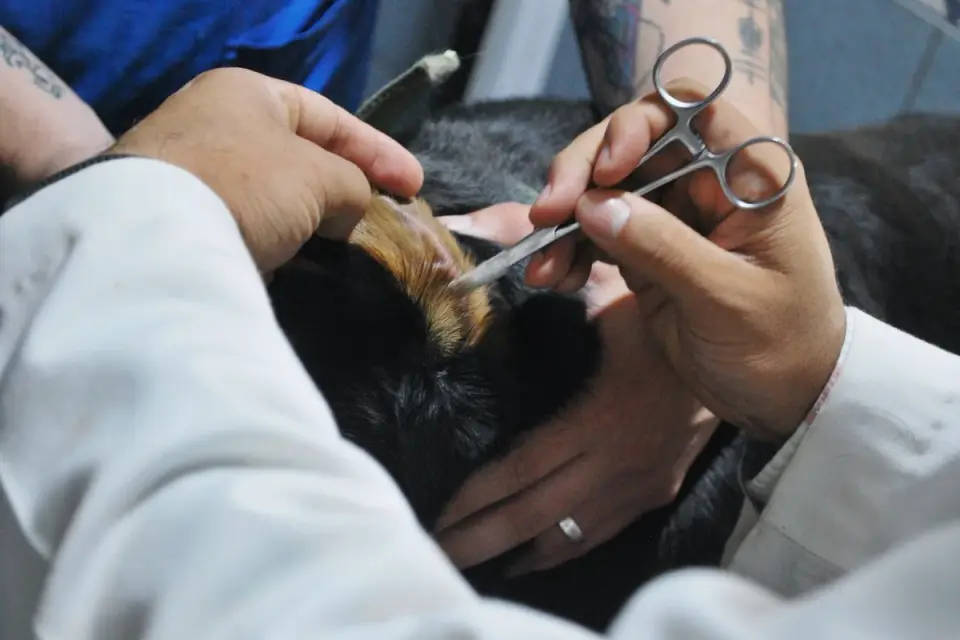
This is the part that catches owners off guard. Heinz body changes in the blood can begin within roughly 24 hours of ingestion, but visible clinical signs often take several days to show up. By the time you notice pale gums, lethargy, a fast heart rate, dark or orange-tinged urine, or labored breathing, the anemia may already be significant. VCA Animal Hospitals lists vomiting and reduced appetite as earlier signs worth watching in the first day or two, even before blood changes become obvious.
Don’t wait for symptoms if you know the exposure happened. A vet visit for bloodwork within the first day gives your veterinarian a much better shot at catching the damage early, before a transfusion or aggressive supportive care becomes necessary.
What About Garlic in Commercial Food or Supplements
A fair number of commercial treats and even some prescription diets list trace garlic on the label, and there’s genuine debate in veterinary nutrition circles about whether those amounts are clinically meaningful for an average-sized, healthy dog. I tend to think about it the way I think about any modality: stay anchored to how the ingredient is thought to act on the body, not to whether the product markets it as a benefit. A trace amount formulated by a nutritionist and repeated garlic exposure from table scraps aren’t the same risk category, but if your dog is small, is an Allium-sensitive breed, or has any history of anemia, it’s worth flagging the ingredient list to your vet rather than assuming it’s fine.
If you’re looking for dog-safe ways to round out a meal or add variety, produce like plain-cooked sweet potato is a far more forgiving option, with a clearer safety profile and no oxidative-damage mechanism to weigh against portion size.
What To Do If Your Dog Eats Garlic
If you catch it happening or find evidence afterward, call your veterinarian or a pet poison hotline right away rather than watching and waiting. They’ll want to know roughly how much garlic, in what form, and your dog’s weight. Depending on timing, they may induce vomiting, run baseline bloodwork, or ask you to monitor at home and recheck in a couple of days. Keeping garlic, onions, and seasoned scraps off counters and out of reach matters just as much as any other kitchen hazard — the same instinct that goes into setting up a safe crate space for a new puppy applies to keeping a curious dog away from the spice rack and the trash.
Brief recap: garlic isn’t a mystery food — it’s a well-documented Allium toxin that damages red blood cells through oxidation, works the same way whether it’s raw, cooked, or powdered, and doesn’t have an owner-friendly safe amount. If your dog gets into it, don’t wait for symptoms to call your vet.
Frequently asked questions
Is a small amount of garlic actually dangerous, or just a large amount?
Even modest exposures can add up if they happen repeatedly, because the oxidative damage to red blood cells is cumulative. A single lick of garlic butter is unlikely to cause a crisis, but there's no dose veterinary toxicologists recommend as routinely safe, and small, frequent exposures are riskier than most owners assume.
What if my dog's food has garlic listed as an ingredient?
Some commercial diets and treats include trace garlic, and there's ongoing debate about whether those amounts are clinically meaningful. If you're uneasy about it, mention the product to your veterinarian and consider a garlic-free alternative, especially for small-breed or Japanese-breed dogs, who tend to be more sensitive.
How long after eating garlic would I see symptoms?
According to the Merck Veterinary Manual, red blood cell changes can begin within 24 hours, but visible signs of anemia — pale gums, lethargy, dark urine — may not show up for several days, which is part of why owners under-recognize the exposure.
Sources
- Garlic and Onion (Allium spp) Toxicosis in Animals — Merck Veterinary Manual
- Toxic and Non-toxic Plants: Garlic — ASPCA
- Onion, Garlic, Chive, and Leek Toxicity in Dogs — VCA Animal Hospitals