Sep 29, 2026
How to Choose a Quiet Dryer for a Nervous Dog
A vet's practical guide to picking a low-noise dryer for anxious dogs, from noise and airflow to desensitization steps that support calmer grooming.

Your friendly, practical guide to dog breeds — temperament, care, and finding the right fit.
38 guides in this section.
A vet's practical guide to picking a low-noise dryer for anxious dogs, from noise and airflow to desensitization steps that support calmer grooming.
A vet's practical guide to pin length, cushion flex, and handle comfort for thick-coated dogs, plus when to switch tools.
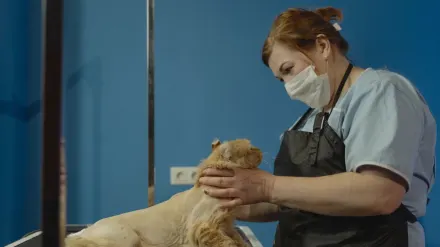
A vet explains what to look for in a maintenance ear cleaner for floppy-eared dogs, how to use it safely, and when to skip cleaning and call your vet.
A vet explains what feathering does, which tools tidy it safely, and how to trim ears, legs, and tail without shaving the coat.

A vet's calm, step-by-step plan for first brushing, baths, nail trims, and dryer sounds without fear.

A vet explains why de-icing salt cracks dog paws and how rinses, trim, balm, and boots work together to keep pads comfortable all winter.

A preventive-care vet explains why dogs blow coat in spring and fall, how to brush, bathe, and feed for healthy shedding, and when hair loss needs a vet visit.

A vet's walkthrough of a puppy's first grooming visit — timing, vaccines, what groomers do step by step, and how to set up a calm return.

A preventive weekly routine for swimming dogs: rinse, dry, brush, and check ears, skin, and coat without overbathing.

A vet explains how to tell normal ear wax from a dog ear infection, what smell, redness, and head shaking mean, and when to call your vet.
Why dogs smell again a few days after bathing and the drying, ear, dental, and bedding steps that keep them fresher longer.
Learn why dog coats turn greasy and how brushing, bathing, diet, and vet checks help maintain a cleaner, healthier coat.
A preventive-care veterinarian walks through calm setup, where to cut, what to do if you quick a nail, and when to stop and call your vet or groomer.
Most dogs never need routine anal gland expression. Learn how anal sacs work, signs of impaction or infection, and when at-home expression does more harm than good.
Why dogs grab the brush during grooming and a calm, step-by-step plan to teach cooperative brushing.
A preventive-care guide to rinsing, drying, and supporting cracked winter paws, plus when salt irritation needs a vet visit.
A vet explains how to wash a Husky, Golden, or Shepherd coat at home — pre-brush, lukewarm wash, thorough rinse, and full dry without shaving.
A vet's practical guide to picking an undercoat rake by coat type, tooth design, and comfort — without over-thinning or irritating skin.
A vet explains why clipper irritation happens and how coat prep, blade choice, and aftercare help prevent razor burn after clipping.
A vet-bylined guide to running a monthly hands-on lump check on your dog, what texture and location actually tell you, and when a bump needs a same-week vet visit.
A vet's practical breakdown of the grooming tools worth buying first, the ones you can skip, and how to introduce them without turning bath night into a wrestling match.
A vet's guide to choosing a dog shampoo for sensitive, itchy, or reactive skin — the ingredients that help, the ones that don't, and when shampoo isn't the answer.
A vet's guide to cleaning dog teeth without brushing — what actually reduces plaque, what's worth skipping, and how to build a routine your dog will tolerate.
A vet's practical guide to spotting the quick on dark dog nails, trimming safely, and knowing when to stop before you nick it.
Small and large dogs need different grooming routines, and it's rarely about size alone. Here's what actually drives the schedule and how to build one that fits your dog.
A vet explains when clippers earn their keep, when scissors are the safer call, and how coat type — not personal preference — should decide your home grooming kit.
A vet-reviewed, brand-neutral guide to choosing between mobile dog grooming and a traditional salon, based on coat, temperament, and cost.
A vet's practical breakdown of what to handle yourself between visits and what belongs in a professional groomer's hands.
A vet's honest comparison of nail clippers and dremel-style grinders for dogs, from a puppy's first trim through the thicker nails of a senior dog.
A vet-bylined guide to how often dogs actually need nail trims, what changes the timeline, and how to tell it's time without waiting for a limp.
A vet's plain-language breakdown of what a slicker brush and an undercoat rake actually do to a dog's coat and skin, and how to pick between them.
Human toothpaste can contain xylitol and fluoride, both dangerous to dogs. Here's what actually makes dog-specific toothpaste different, and what to do if your dog gets into yours.
A vet-informed guide to picking a dog nail grinder — motor power, speed control, noise, and the safety habits that make grinding actually work.
A veterinarian breaks down realistic dog bathing frequency by coat type, skin condition, and lifestyle, with a checklist you can use right away and guidance on when to call your vet.
A practical, vet-reviewed guide to brushing small dog teeth safely — the tools, technique, and timing that matter most for crowded small-breed mouths.
A practical, brand-neutral guide to picking dog clippers — motor type, blade numbers, noise level, and safety checks — so home grooming stays comfortable for your dog.
A step-by-step, vet-informed plan for getting a dog used to teeth brushing, from the first gum touch to a full daily brushing routine.
A practical, step-by-step guide to grooming a German Shepherd's double coat through seasonal coat blow, from tools to bathing frequency and skin checks.