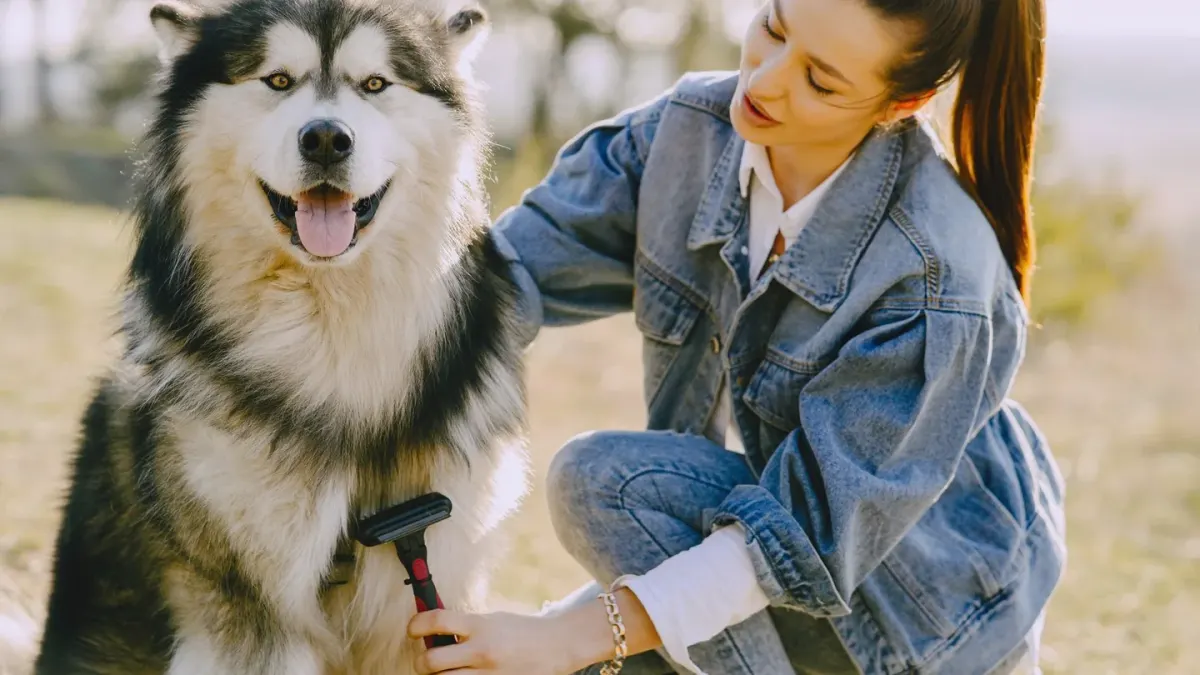
Audrey expected her neighbor’s brindle Boxer and Kaia, a 3-year-old spayed female Akita from Hayward, California, to share the same kind of striping because both looked “tiger-striped” at a glance, until a closer look showed Kaia’s outer guard hairs carried bands of color while the Boxer’s stripes ran as distinct dark bars over tan.
That confusion is common, because dog coat patterns describe how two pigments are distributed, not just what color a dog looks from across the park. Eumelanin makes black, brown, blue-gray, or lilac when diluted, while pheomelanin makes tan through red to cream. Pattern genes act like switches and stencils that decide where each pigment appears, whether it is banded along a single hair shaft, or whether white spotting covers it up.
So what actually controls the pattern you see?
Two pigments, several major switches
In day-to-day practice, I find it helps to group the most-tested loci into plain-language jobs. The UC Davis Veterinary Genetics Laboratory describes how loci such as A, K, E, and S interact to produce base color, brindling, masking, and white spotting, and individual dogs vary in which combinations they carry.
Think of it this way:
- A locus (agouti): favors banded hairs and patterns such as sable, wolf sable/agouti, and tan points.
- K locus: determines whether brindle and dominant black can show; brindle dogs typically carry one brindle allele paired with a permissive background.
- E locus: decides whether dark pigment can appear in the coat at all; some cream or red dogs are genetically black-patterned underneath but cannot express eumelanin in hair.
- M locus (merle): dilutes random patches of eumelanin, leaving marbled or patchy areas.
- S locus and white modifiers: add piebald spotting, from small chest flashes to nearly white dogs with colored heads.
No single gene works alone. A brindle pattern needs both the brindle signal and hairs able to make both pigments, which is why the same DNA result can look different on a fawn Pug versus a deep-red Bullmastiff.

Which pattern names will you meet most often?
The American Kennel Club maintains a useful visual vocabulary for colors and markings, including solids, sables, brindles, merles, and piebald combinations that appear across breed standards.
Sable, shaded sable, and agouti
Sable means individual hairs are banded — pale at the base, darker at the tip. A clear sable Golden Retriever mix may look almost solid gold with dark tips on the back, while a shaded sable German Shepherd carries much more eumelanin overlay. Wolf sable, sometimes called agouti, is the banded, grizzled look typical in Huskies and Norwegian Elkhounds.
Grooming note: banded coats often show sun-bleaching and undercoat change more obviously. If you are learning how to groom a German Shepherd through coat blow, expect the sable shading to look lighter for 2–3 weeks after heavy undercoat loss, then darken as new guard hairs grow.
Brindle: stripes over a base color
Brindle is dark vertical striping over a tan, gold, or red base. It is breed-typical in Boxers, Plott Hounds, French Bulldogs, and many Bull-type breeds, and reverse brindle is simply so much dark striping that the dog looks dark with light flecks.
Brindle does not predict temperament or health by itself. It matters mainly for identification and for understanding listings — “brindle and white” should show both striping and white markings, not a solid brown dog.
Merle: marbled dilution
Merle lightens random patches of dark pigment to gray, blue, or brownish tones, often with solid spots and blue or parti-colored eyes. It is expected in Australian Shepherds, Catahoula Leopard Dogs, and Harlequin Great Danes, but it is not traditional in many other breeds.
The biology is specific. Researchers reporting in the Proceedings of the National Academy of Sciences found that a retrotransposon insertion in the SILV gene is responsible for merle patterning in the domestic dog, which helps explain why merle can vary so much in patch size and why cryptic or atypical merles sometimes test positive without an obvious marbled coat.
That variability is why buyers should prioritize test results and pedigree over photos alone.
Vets often see confusion when two merle-patterned dogs are bred together. Double-merle combinations carry a higher likelihood of hearing and vision differences related to lack of pigment, so responsible breeders avoid merle-to-merle breedings and screen puppies’ hearing and eye development early. If a listing cannot tell you the parents’ patterns, pause.
Piebald, parti, and white markings
White spotting ranges from Irish spotting — white chest, feet, and tail tip, as in many Akitas — to parti or piebald dogs with large color patches on white, to extreme white that can hide the underlying pattern. Ticking and roan add small flecks of color within white areas, common in Spaniels and Pointers.
White itself is not a pattern defect. It simply changes what you can see.
The coat still needs routine care. White feet and bellies show irritation sooner, so match bathing to skin and lifestyle using how often should you bathe your dog and choose gentle products if the skin is easily upset, as outlined in best dog shampoo for sensitive skin.
How should you use pattern names when choosing a dog?
Pattern tells you what is typical, not what is guaranteed.
Start with the breed standard, then ask three practical questions:
- Is this pattern expected here? A brindle Boxer is ordinary. A merle Boxer or merle Akita is unexpected and deserves questions about outcrossing, registration, and health screening.
- Can the seller name both parents’ patterns? Clear answers support accurate registration and help predict how puppies’ coats may change as adult guard hairs come in around 10–14 months.
- Does the pattern hide something you need to monitor? Heavy white around ears, very light dilution, or double merle raises the priority for early hearing and eye checks with your own vet.
Bonnie, who lives with Nico, a 10-year-old neutered male Morkie from Santa Clara, California, learned the third point late — Nico’s silvering, parti-like patches looked cosmetic until a 6-week stretch of itching revealed that the pale skin underneath sunburned faster on 1-mile midday walks, and shifting walks to morning plus routine brushing solved most of it.
That is the right way to use coat language. Names do not diagnose anything. They help you describe what you see, compare it to what is breed-typical, and decide what to ask next.
If you are unsure, bring two phone photos in natural light — one from 6 feet away, one close-up parting the hair — to your puppy visit. Individual dogs vary widely, and a quick look at pigment around eyes, nose, and ears often answers more than a color word on a website.
Frequently asked questions
What is the difference between merle and brindle dog coat patterns?
Brindle is dark striping over a tan to red base, while merle is random marbled dilution of dark pigment to gray or blue tones. They involve different genes and breed traditions.
What does sable mean on a dog?
Sable means individual hairs are banded with a pale base and darker tip. Clear sable looks mostly tan, while shaded sable and agouti show more dark overlay.
Sources
- Dog Coat Color and Type — UC Davis Veterinary Genetics Laboratory
- Retrotransposon insertion in SILV is responsible for merle patterning of the domestic dog — Proceedings of the National Academy of Sciences