
On this page
After a tick bite, watch for fever, tiredness or shifting lameness for weeks, and call your vet if they linger.
If you just pulled a tick during a bath or brush-out, use this checklist for the next 30 to 60 days:
- Energy: longer naps, shorter play sessions, slow to rise
- Movement: stiffness or lameness that shifts legs
- Appetite: skipping meals, refusing treats, slow weight loss
- Fever signs: shivering, warm ears, panting at rest, dull attitude for more than a day
- Bleeding or paleness: nosebleeds, tiny bruise spots on gums or belly, very pale gums
- Pain clues: yelping when lifted, sore neck, swollen joints
- Kidney warning signs: drinking and urinating much more or less, vomiting, puffiness in legs or under the jaw
Call your veterinarian if two mild changes last more than 24 to 48 hours, or if any single sign looks strong. Individual dogs vary widely, so a shift from your dog’s normal matters more than any one item on a list.
That quiet gap catches many owners off guard.
Why brush-outs catch what walks miss
Ticks settle where skin stays warm and hidden: ears, eyelids, collar line, armpits, groin, between toes, and under the tail. Those are the same spots that tangle and hold moisture, so a slow grooming check works well as a tick check.
Part the hair to the skin rather than skimming the top. A simple setup from Essential Dog Grooming Tools for Beginners makes that parting easier, and the coat-length tips in Grooming Needs by Dog Size: Small vs Large Breeds help you decide where to spend extra time.
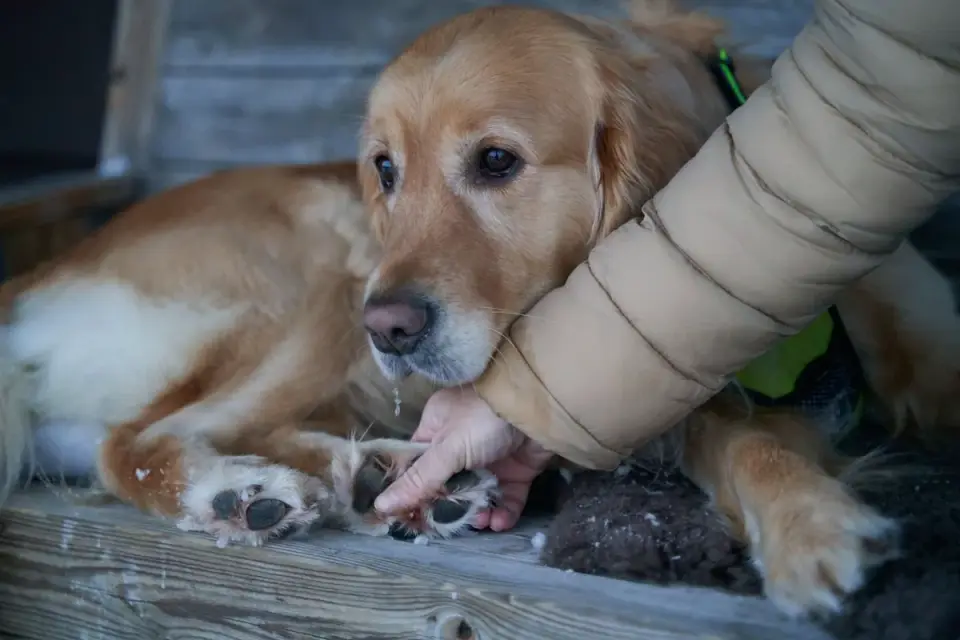
Vets often hear the same timeline in practice: the tick is gone by the time the dog seems dull. Leslie brushes out Susie, her 4-year-old intact female American Staffordshire Terrier in Cape Coral, Florida, after preserve walks. About three weeks after removing two engorged ticks near the ear, Leslie noticed Susie quit a usual 20-minute fetch game after five minutes and left half her breakfast for three mornings in a row. That link between a known bite date and a sustained behavior change prompted the call.
Which illnesses explain those slow changes
The Merck Veterinary Manual describes ehrlichiosis, anaplasmosis, Lyme disease, babesiosis, and Rocky Mountain spotted fever in dogs. Signs overlap, which is why persistence and timing matter more than one symptom.
Lyme disease may bring shifting-leg lameness, fever, swollen lymph nodes, and low energy. Anaplasmosis and ehrlichiosis can look similar, with fever, tiredness, poor appetite, and sometimes bleeding or bruising tied to low platelets. Babesiosis more often affects red blood cells, so weakness, pale gums, dark urine, or yellowish gums and eyes may appear.
The Companion Animal Parasite Council notes that signs can take weeks to develop and that dogs can carry more than one tickborne organism at a time. From day-to-day practice, the most useful habit is simple: write down the bite date, where the tick was attached, and any later signs with dates. A quick photo of the tick before removal can help with identification.
Pulling a tick safely and what to skip
The Centers for Disease Control and Prevention recommends fine-tipped tweezers, grasping the tick as close to the skin as possible, and pulling straight up with steady pressure without twisting or squeezing the body. Clean the skin and wash your hands after, and skip folklore methods such as nail polish, petroleum jelly, or heat.
Prevention supports routine care but does not guarantee a bite will never happen. Year-round preventive products may help maintain protection against ticks, yard upkeep supports fewer tick habitats, and prompt checks after tall grass and woods help. The evidence on any single method is thinner than labels suggest, so consistency matters more than perfection.
After removal, rinse the spot gently at the next bath. If the skin looks tender, keep the routine mild and review what matters on the label in Best Dog Shampoo for Sensitive Skin: What Actually Matters on the Label. Avoid harsh antiseptics, essential oils, or leftover flea products on the wound.
When a phone call beats watchful waiting
Call promptly for pale gums, collapse, trouble breathing, ongoing bleeding, severe lameness, neck pain, high fever, or no food for more than a day. For milder tiredness or one picky meal, monitor closely and keep notes.
Testing often starts with history and exam plus a screening blood test for common tickborne organisms, sometimes followed by repeat testing, blood counts, or PCR depending on timing and signs. Bring your bite dates and symptom log. That record helps your veterinarian decide what to test, when to recheck, and whether referral or urgent care fits.
What question will help your vet most at that visit?
Frequently asked questions
How soon after a tick bite do signs appear in dogs?
Many dogs show no change for weeks. Track energy, appetite, and lameness for 30 to 60 days and call your vet if changes linger more than a day or two.
Should I save the tick after I remove it?
A clear photo before removal is often enough. If you save it, use a sealed bag in the refrigerator and ask your vet whether identification would change testing.
Sources
- Ticks — Companion Animal Parasite Council
- About Ticks — Centers for Disease Control and Prevention