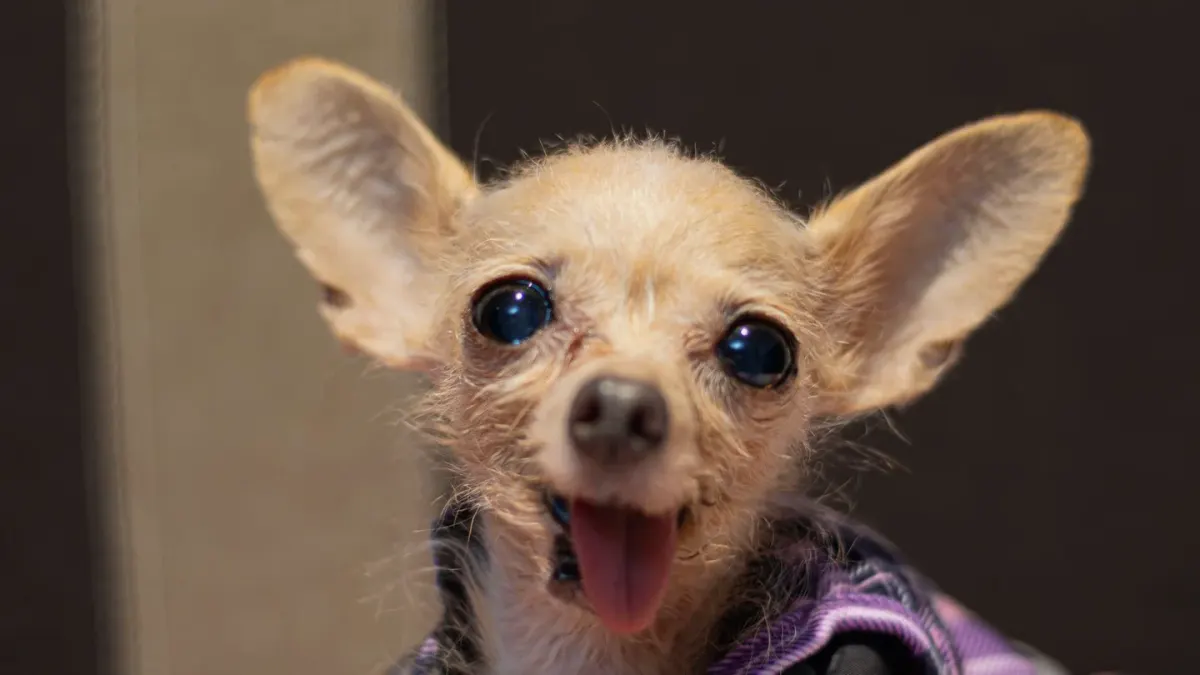
If you love dogs with long ears, you are signing up for ear checks as regular home care, not just cuddling those velvety flaps.
That weight and coverage holds warm air near the canal opening. It does not guarantee problems, but it means wax, moisture, and light debris clear a little more slowly. So owners who peek under the flap once a week and keep the area dry tend to catch small changes before they turn into head-shaking and vet visits.
You can do most of this at home. It takes about two minutes.
Why long ears shape the grooming routine
Think structure and airflow. A prick ear stands open to the air. A long, pendulous ear lies against the side of the head and covers the opening, a little like a curtain.
In day-to-day practice, vets often see more wax buildup and lingering dampness after baths or swims in these dogs. The American Kennel Club notes that routine gentle inspection helps owners spot odor, redness, or discharge early, which supports healthy ears without over-cleaning. The evidence for any one cleaning schedule is thin, so I favor look-and-sniff checks weekly and cleaning only when you see light wax or dirt.
Over-cleaning can irritate normal skin, so restraint matters. If ears look clean, smell neutral, and your dog is comfortable, leave them alone.
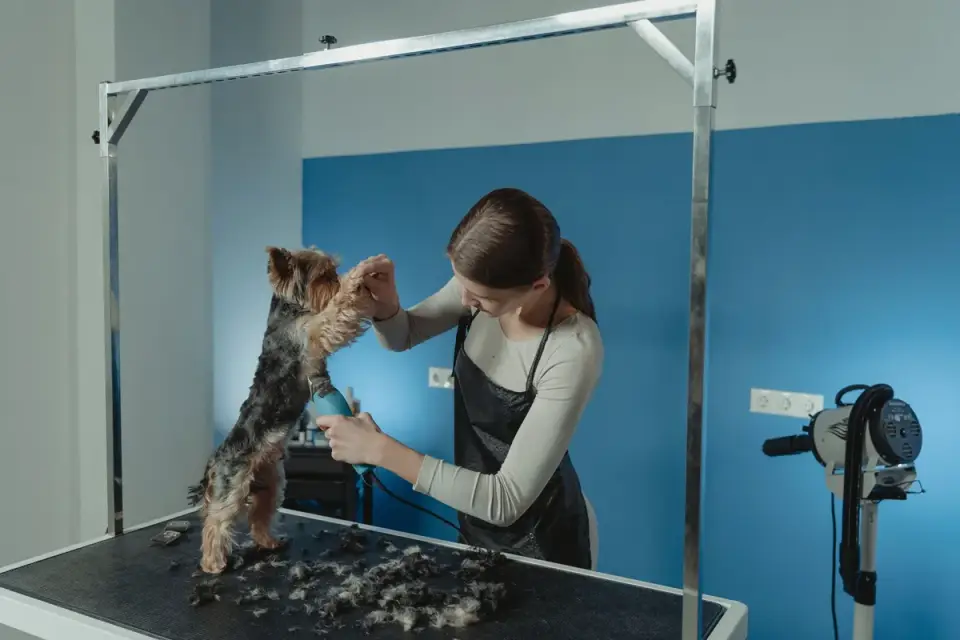
Drying matters most. After a bath, swim, or rainy walk, lift each flap, pat the underside and around the opening with a soft towel, and let air reach the skin for a few minutes. That simple step may help maintain dry, comfortable skin folds.
Which long-eared breeds come up most in family conversations
Individual dogs vary widely in temperament, so think of these as starting points to match to your space, activity level, and grooming time.
Basset Hounds bring the classic ultra-long, low-hanging ear and a calm, scent-driven personality. They suit slower-paced households, but those ears drag near food, water, and dirt, so plan on wiping the tips and checking for dampness.
Cocker Spaniels and Springer Spaniels pair medium-long ears with feathered coats. You will brush ear fringe to prevent mats, trim hair that blocks airflow around the opening only as your groomer or vet advises, and watch for foxtails or burrs after field walks.
Beagles and Bloodhounds fall in the hound group with soft drop ears and active noses. They are often a good fit for families who want a sturdy, social dog and can commit to weekly checks plus nail and dental care that does not scale with ear length.
Dachshunds, Afghan Hounds, and some Poodle mixes round out the long-eared crowd in different sizes. Coat type drives your bathing and brushing plan more than size does — a point explained well in our guide to Grooming Needs by Dog Size: Small vs Large Breeds. If you are deciding how much to do yourself, At-Home Grooming vs a Professional Groomer: How to Split the Job can help you set a schedule that matches the dog in front of you.
A skeptical friend might ask: do I really need a different routine just for ear shape? My answer is yes, but small. You do not need special tools. You need consistency from puppyhood — lift, look, sniff, dry — and a low threshold to call your vet when something changes.
What a steady two-minute check looks like from puppyhood
Start young, keep it Fear Free, and pair it with treats. Puppies learn fast that ear handling predicts good things.
Lift the flap and look at the skin you can see without going deep. Healthy skin looks pale pink, with a small amount of light tan wax and no strong odor. Gently wipe only the parts you can see with a damp cotton ball or a vet-approved ear cleaner on cotton, never a cotton swab in the canal. The VCA Hospitals guidance on otitis externa describes how trapped moisture and debris can irritate the outer canal, which is why drying after water exposure is the prevention step I emphasize most.
Pause grooming and call your vet if you notice persistent head-shaking, scratching, redness, swelling, a yeasty or sharp odor, dark brown or yellow-green discharge, or pain when you touch the ear. Do not pour in homemade rinses to fix it — cleaning over an already inflamed canal can hurt and obscure the exam. For product choices, our look at Best Dog Shampoo for Sensitive Skin: What Actually Matters on the Label explains how to keep bath time gentle around ears and skin folds.
The Cornell University College of Veterinary Medicine reminds owners that recurrent outer-ear irritation often has an underlying trigger such as allergies or trapped moisture, so repeated flare-ups deserve a vet workup rather than more frequent home cleaning.
That is the trade-off to weigh before you choose. Long, heavy ears are charming and very pettable, and they ask for a small, steady habit in return. If weekly peeks, fringe brushing, and towel-drying after water fit your life, one of these breeds can be a lovely match.
Frequently asked questions
Do dogs with long ears always get infections?
No. Long ears reduce airflow and can hold moisture, but many dogs stay comfortable with weekly checks, drying after baths and swims, and cleaning only when you see light wax.
How often should I clean long ears?
Check weekly and clean only as needed for visible dirt or light wax with a vet-approved product on cotton you can see. If ears look and smell normal, leave them alone and ask your vet what rhythm fits your dog.
When should I call the vet instead of cleaning?
Call for head-shaking, scratching, redness, swelling, strong odor, colored discharge, or pain. Skip home washes at that point so your vet can see the unaltered canal and find the trigger.
Sources
- How to Clean Dogs' Ears — American Kennel Club