On this page
It was the kind of August afternoon that makes a picnic blanket feel mandatory, and the retriever sprawled across it had already given up on subtlety. Every time a fork lifted a chunk of watermelon toward a mouth, his nose tracked it like a compass needle. His owner asked me the question I probably field more than any other every summer cookout season: is it actually fine to hand a dog watermelon, or is this one of those foods that looks harmless and isn’t? I gave her the answer I give most owners, which is that the fruit itself is rarely the problem. What surrounds it usually is.
So, Can Dogs Eat Watermelon? The Short Version
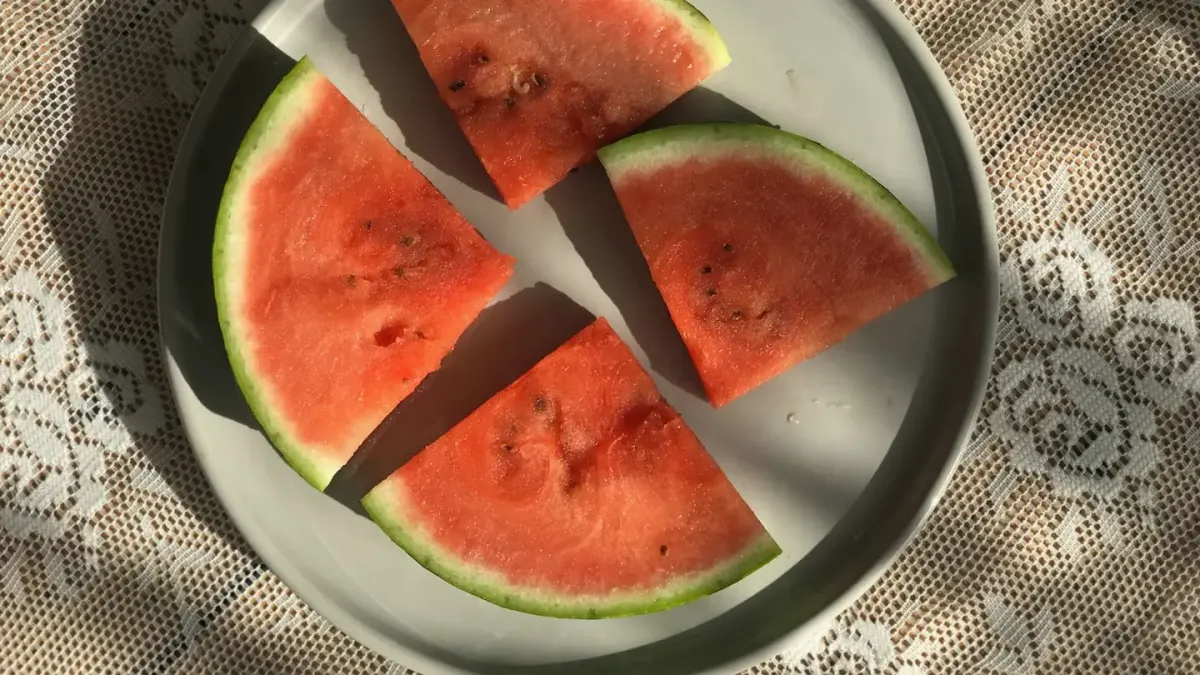
- Yes — the ripe, red flesh is safe for most healthy dogs in modest amounts.
- No seeds, ever. Both the hard black seeds and the soft white ones can lodge in a dog’s gut.
- No rind. The tough green skin is difficult to chew and even harder to digest.
- Cut pieces small — think bite-sized cubes, not wedges a dog has to gnaw at.
- Treat it as an occasional extra, not a diet staple, and check with your vet if your dog has diabetes, pancreatitis, or a weight problem.
That’s the checklist version. The reasoning behind each line matters more than the line itself, so let’s work through it.
Why the Rind and Seeds Carry the Real Risk
According to the American Kennel Club, watermelon flesh is safe for dogs, but the rind and seeds should be avoided because they can cause digestive upset or intestinal blockage. That distinction is worth sitting with. A blockage isn’t a stomachache that resolves with a skipped meal — it can mean a dog stops passing stool, starts vomiting repeatedly, and eventually needs surgery to clear whatever got stuck. Small and toy breeds are at the highest risk simply because their intestinal diameter leaves less room for error. A Great Dane swallowing a few seeds whole is a different conversation than a Yorkshire terrier doing the same thing.
The rind deserves its own mention because owners tend to underestimate it. It looks like plant matter, so it seems more forgivable than, say, a chicken bone. But a dog’s digestive tract isn’t built to break down that dense, fibrous skin, and a swallowed chunk can behave a lot like a foreign object. If your dog does grab a piece of rind off a picnic table, the practical move is to watch for vomiting, straining, bloating, or lethargy over the next day or two rather than panic immediately.

What the Fruit Itself Actually Offers
Once you’ve cleared out the parts that cause trouble, what’s left is genuinely a reasonable warm-weather snack. Watermelon is mostly water, low in calories, and carries potassium along with a few vitamins. That’s a real nutritional case, not marketing language. It just needs a realistic frame.
I think about this the way I think about most supplemental foods I evaluate for patients: the question isn’t whether an ingredient has some redeeming property, it’s whether the amount a dog will actually eat delivers enough of that property to matter, and whether the delivery method introduces new risk. A few cubes of watermelon on a hot day mostly deliver water and a pleasant crunch. They aren’t a hydration strategy, and they certainly aren’t a substitute for a balanced diet. PetMD notes that treats, watermelon included, should stay under roughly 10% of a dog’s daily intake — a guideline I’d extend to almost any fruit or vegetable you’re handing over as a snack rather than a meal component.
I once worked with an owner whose senior spaniel had recently been through a food transition after a bout of pancreatitis, the kind of case where every new item on the counter gets scrutinized before it reaches the floor. She wanted to know if watermelon was safe to reintroduce as a summer treat now that his gut had settled. The honest answer was that a couple of small, deseeded cubes were unlikely to cause a flare, but that fruit sugar and volume both deserved respect in a dog recovering from a fatty, inflamed pancreas. That’s the pattern I see again and again: the fruit is rarely the villain, but the dog’s individual history often decides how much room there is to work with. Readers dealing with a similar transition may find our guide on switching a senior dog to a new food useful for pacing that kind of change.
How Much Is Reasonable for Your Dog’s Size
A small dog under 20 pounds does fine with a piece or two, no larger than a die. A mid-size dog can handle a small handful of cubes. Larger breeds have more room, but more room isn’t an invitation to hand over a full wedge. Portion still matters even when a food is broadly safe.
Sugar content is where the conversation gets more careful for certain dogs. Watermelon isn’t loaded with sugar compared to many fruits, but it digests quickly, and a dog managing diabetes or significant weight issues doesn’t need an unplanned sugar bump layered onto their regular feeding plan. If your dog falls into that category, ask your vet before watermelon becomes a routine part of the week rather than an occasional bite.
Which Dogs Should Skip It or Take It Slow
Dogs with a history of pancreatitis, dogs managing diabetes, and dogs prone to sensitive stomachs are the ones I’d flag for a conversation with your veterinarian before watermelon becomes a habit. Puppies with a track record of chewing through anything placed in front of them are worth watching closely too, since seed and rind ingestion risk goes up when a dog treats every new food like a toy to be dismantled rather than eaten. None of this makes watermelon dangerous by default. It just means the decision belongs to you and your vet, not a blanket rule.
If your dog tends to get into things they shouldn’t around the yard or kitchen, it’s worth reading up on other everyday foods that carry more risk than people expect — our pieces on garlic in small amounts and which nuts are toxic to dogs cover two of the more common summer cookout hazards. And if the heat itself is the bigger concern for your dog this season, especially a heavy-coated breed, our guide to cooling options for a thick-coated breed pairs well with any hot-weather feeding plan.
Where This Leaves You and the Next Slice
Hand over a few seedless, rindless cubes and most dogs will be fine, cookout after cookout, summer after summer. The habit worth building isn’t memorizing a rule about watermelon specifically — it’s getting into the practice of asking what a treat actually delivers, how much of it your particular dog can handle, and what their individual health history changes about that math. That question travels well beyond one fruit and one season.
Frequently asked questions
Can dogs eat watermelon seeds by accident without a big problem?
A stray seed or two is usually not a crisis for a medium or large dog, but seeds can add up or lodge in smaller dogs' intestines. Watch for vomiting, straining, or a swollen belly and call your vet if you notice any of those signs.
Is watermelon rind ever okay for dogs?
It's best avoided entirely. The rind is tough to digest and can cause GI upset or blockage, according to the American Kennel Club, even though it isn't toxic.
How much watermelon can a diabetic dog have?
Talk to your veterinarian first. Watermelon's fast-digesting sugar can affect blood glucose, so any amount should be small, occasional, and cleared with the vet managing your dog's diabetes.
Sources
- Can Dogs Eat Watermelon? Is Watermelon Safe for Dogs? — American Kennel Club
- Can Dogs Eat Watermelon? Benefits and Risks — PetMD