On this page
When you change food for a senior dog, the biggest mistake isn’t picking the wrong bag — it’s rushing the swap. An older gut simply doesn’t bounce back from a sudden diet change the way a two-year-old’s does, and a rushed transition is the most common reason owners end up with a week of soft stool, a dog who won’t touch the bowl, or a call to the vet that could’ve been avoided.
Why Aging Guts Handle Change Differently
Digestion slows down with age. Motility can lag, enzyme output can dip, and the resident gut microbiome tends to be less resilient to disruption than it was in a younger dog. None of that means an older dog can’t handle a new food — it means the changeover has to be more deliberate. In dogs with exocrine pancreatic insufficiency, a condition more common in older animals, management leans on nutritional strategy alongside medical treatment: JAVMA notes that EPI “is treated by pancreatic enzyme replacement therapy, nutritional management (low-residue diets with moderate fat content), and supplementation of cobalamin.” Most senior dogs don’t have EPI, but the underlying point generalizes — an aging digestive tract benefits from a more conservative approach to any dietary shift, not just a diagnosed one.
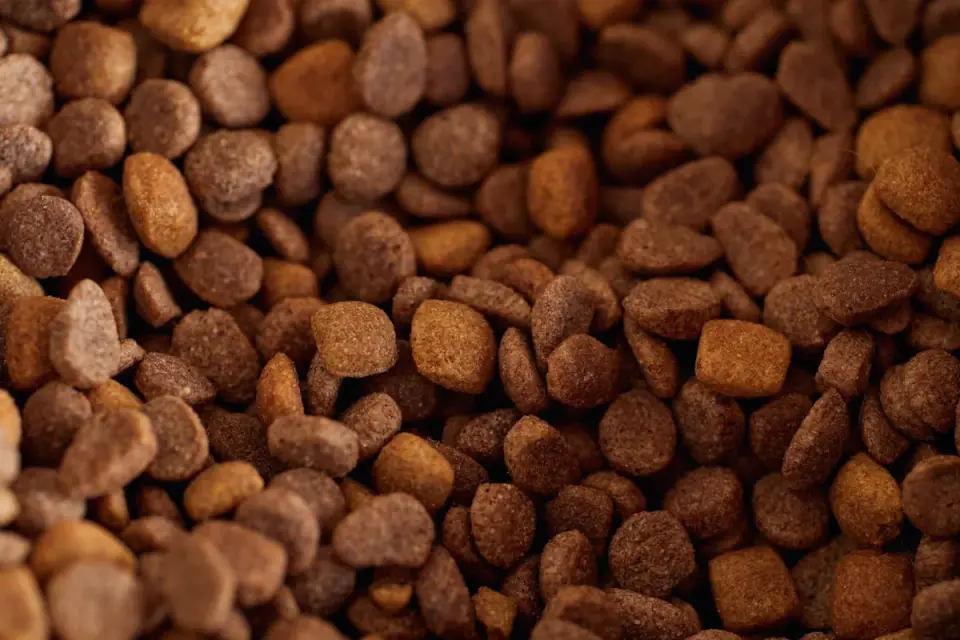
Step-by-Step: How to Change Food for a Senior Dog
Start the swap only when your dog is otherwise healthy — not mid-illness, not right after a stressful move or boarding stay.
- Days 1-3: Feed roughly 75% old food, 25% new food.
- Days 4-6: Move to 50/50.
- Days 7-9: Shift to 25% old food, 75% new food.
- Days 10-14: Finish at 100% new food, holding an extra few days at each ratio if stool softens or appetite dips.
That 10-to-14-day window is longer than the 5-to-7-day transition often recommended for younger, healthier dogs, and it’s the range worth defaulting to for most seniors. A dog with a sensitive GI history, a recent illness, or a chronic condition like kidney disease may need even more time — some clinicians stretch it to three weeks for dogs with a documented history of dietary intolerance.
Weigh your dog weekly during the transition if you have a kitchen scale sized for it, or track ribs-and-waist body condition by hand. Small, steady changes in weight matter more in a senior dog than a young one, since seniors have less metabolic buffer to spare.
What to Watch For at Each Step
Keep a simple daily log — stool consistency, appetite, energy, and any vomiting. Loose stool for a day or two as the ratio shifts isn’t unusual. Persistent diarrhea, repeated vomiting, or a dog who stops eating altogether is not something to push through; back up to the last ratio that worked and hold there longer.
Gut microbiome response to dietary and supplemental change is genuinely individual. A recent trial in dogs found that standard diversity measurements didn’t predict which dogs would respond well to a probiotic intervention and which wouldn’t — Frontiers in Veterinary Science reported that “diversity metrics did not distinguish non-responders from responders.” In practice, that means two dogs on the identical transition schedule can have noticeably different digestive experiences, and that’s normal, not a sign you’re doing it wrong.
When to Slow Down or Call Your Vet
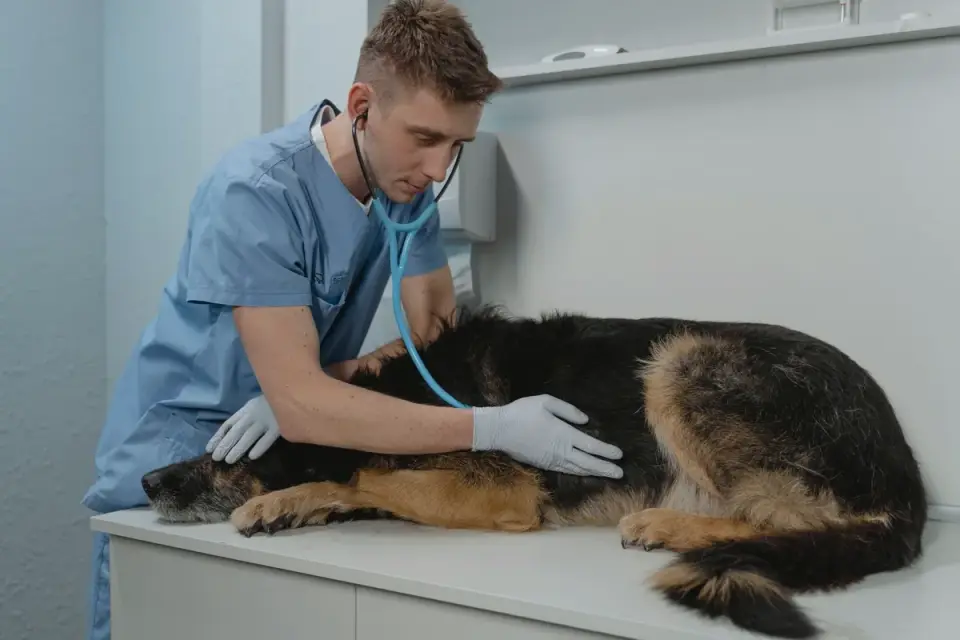
A short stretch of soft stool during the mixing phase usually resolves on its own. Call your veterinarian if you see any of the following: diarrhea lasting more than two days, repeated vomiting, blood in the stool, a senior dog refusing food for more than 24 hours, or noticeable weight loss over the transition period. These signs can point to something beyond simple diet adjustment — dental disease, organ changes, or an intolerance to a specific ingredient in the new food.
Choosing the New Food Itself
The transition schedule matters, but so does what you’re transitioning to. Compare calorie density against your dog’s current body condition — many senior formulas are lower in calories to match a slower metabolism, and a like-for-like swap that ignores that can cause slow, sneaky weight change in either direction. Check protein quality and quantity too; older dogs generally still need adequate, high-quality protein rather than a reflexive low-protein diet, unless a specific medical condition calls for it. If your dog has a known health condition, run any new food past your vet before you start the transition, not after.
Quick Recap
Give a senior dog’s digestive system more runway than you’d give a younger dog: 10 to 14 days minimum, gradual ratio shifts, and a daily eye on stool, appetite, and weight. Slow down at the first sign of trouble, and loop in your veterinarian if symptoms stick around past a day or two. Every dog’s transition looks a little different — that’s expected, not a red flag on its own.
Frequently asked questions
How long should a senior dog's food transition take?
Plan on 10 to 14 days for most senior dogs, longer than the 5 to 7 days typically used for younger, healthier adults. Extend it further if you notice loose stool or reduced appetite at any step.
Can I switch a senior dog's food cold turkey?
It's not recommended. An abrupt swap gives the gut microbiome no time to adjust and raises the odds of vomiting, diarrhea, or a dog simply refusing to eat.
What if my senior dog won't eat the new food even mixed in?
Slow the ratio down further, warm the food slightly to boost aroma, or try a different protein source. If refusal continues past a few days, involve your vet to rule out dental pain, nausea, or an underlying illness.
Do digestive supplements help during a food switch?
Some owners use products containing probiotics, prebiotic fiber, or digestive enzymes alongside a transition, though individual response varies and any supplement should be discussed with your vet, especially for a dog with known GI disease.
Sources
- Exocrine pancreatic insufficiency in dogs and cats — JAVMA
- Probiotic response and gut microbiome diversity in dogs — Frontiers in Veterinary Science