On this page
Keeping a husky cool at home in summer means working with the coat, not against it, plus water and rest. That sentence sounds almost too simple for a breed built for snow, but the families I talk with usually arrive at the same short list once the guesswork is gone.
Why the heat hits a double coat harder
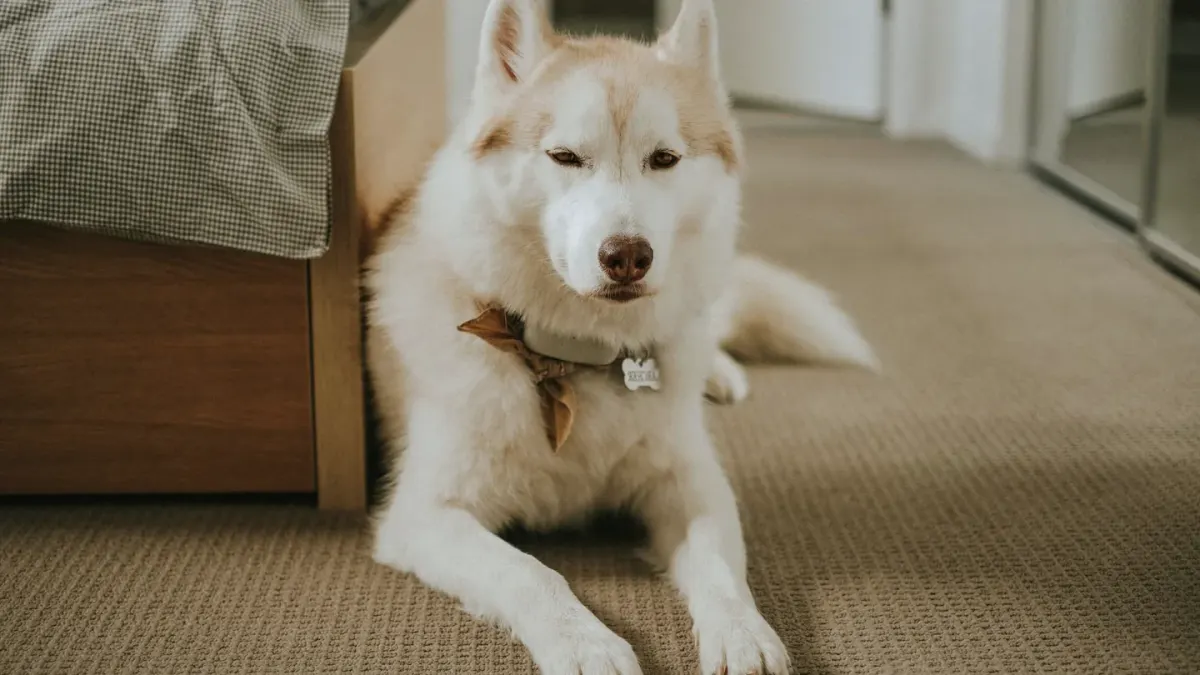
A husky’s coat is doing two jobs at once. The dense undercoat traps a thin layer of air close to the skin, and that layer resists heat moving in from outside just as it resists cold moving out in January. Add a body that was built for cold-weather endurance, not for standing still in ninety-degree shade, and you have a dog whose comfort margin in summer is genuinely narrower than a short-coated breed’s. Older dogs, overweight dogs, and dogs with any existing heart or joint trouble carry even less margin, according to the American Veterinary Medical Association, which lists both traits among the risk factors for warm-weather trouble. None of that means a husky can’t have a comfortable summer at home. It means the plan has to account for the coat rather than fight it.
The shaving question, settled gently
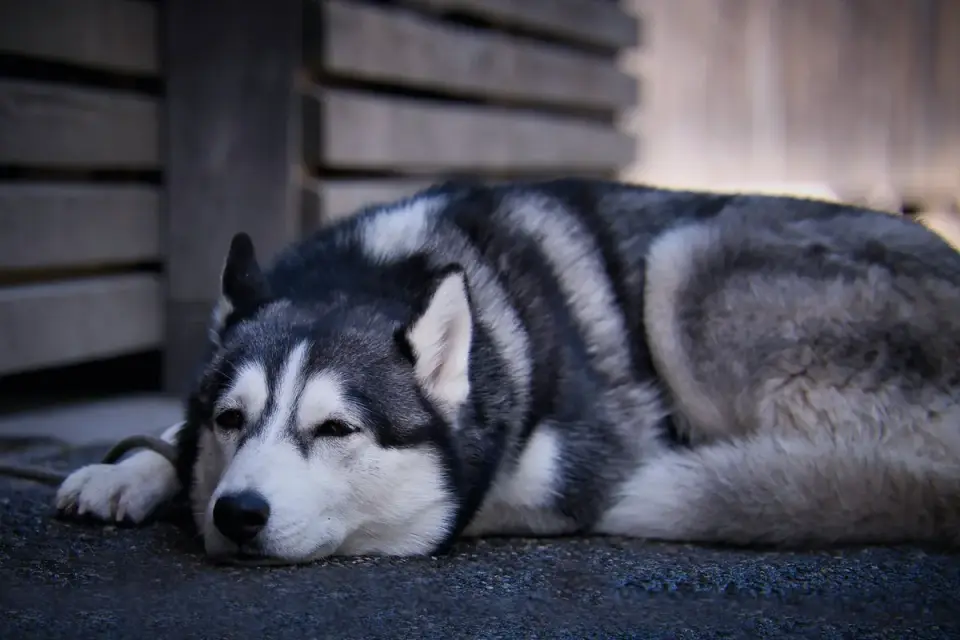
I understand the instinct. A dog is panting, the coat looks heavy, and a clipper feels like the obvious fix. It usually isn’t. According to Is It OK to Shave Your Dog’s Coat in Summer?, removing that undercoat strips away the insulation that helps regulate temperature in both directions, and the hair that grows back can come in patchy or never recover its original texture, leaving skin more exposed to sun and heat than before. A better use of that same energy is a thorough deshedding brush-out every few days through the shedding season, which clears the loose undercoat without touching the structure underneath. It’s less dramatic than a shave-down, but it’s the version that actually helps.
Building a cooling setup that works indoors and out
Once the coat is left alone, the rest of the plan is about surfaces, air, and timing. A cool tile or concrete floor, out of direct sun, does more for a resting husky than most people expect, and a fan pointed across that spot adds real relief because moving air pulls heat away faster than still air ever will. Cooling mats can help too. Gel-based versions absorb body heat on contact and reset after a short break, while evaporative mats cool as the water inside them dries out, which means they need periodic re-wetting to keep doing their job, as explained in How Cooling Mats for Dogs Can Help Beat the Heat. Neither type is magic. Both are simply tools that make an already-shaded, already-airy spot a little more comfortable.
Water deserves its own line here, not because it’s a secret, but because bowls run dry faster in heat than owners notice. Keep at least two full bowls in different rooms, and consider a wide, shallow dish a hot dog can dip its muzzle into more easily than a narrow one. Outdoor time is the other lever. Walks and yard sessions belong in the cooler edges of the day, early morning or after sunset, with pavement checked by hand first; if it’s too hot for your palm, it’s too hot for paw pads.
Reading the early signs before they become an emergency
A husky in genuine distress rarely gets there without warning. Watch for panting that doesn’t settle once the dog is resting in shade, thick or ropey drool, a sudden urge to lie flat on the coolest surface available, or a wobble in the back end that wasn’t there an hour ago. Bright red or unusually pale gums, vomiting, or any stumbling are signs to stop the activity and call a veterinarian immediately rather than wait to see if things improve on their own. Catching the early, unremarkable-looking signs is what keeps a hot afternoon from turning into an emergency room visit, and it’s a far kinder outcome for everyone involved.
A summer that stays comfortable
There isn’t one purchase that solves this. What holds up, week after week, is the ordinary combination: an intact coat kept clean with regular brushing, a shaded and airy resting spot, a cooling mat if your dog takes to one, full water bowls in easy reach, and a walking schedule built around the cooler hours rather than the convenient ones. Build that routine once, at the start of the season, and it mostly runs itself from there, leaving more of the summer for the parts you actually enjoy together.
Frequently asked questions
Should I shave my husky for summer?
Most groomers and vets advise against it. The undercoat helps regulate temperature in both directions, and shaving can damage the follicles so the coat grows back thin or patchy, which leaves skin more exposed to sun. Regular brushing to remove loose undercoat is usually the better move.
Do cooling mats actually help?
Yes, within limits. Gel mats pull heat away through direct contact, and evaporative mats cool as the water in them dries out, so they need to be re-wet or given a rest to keep working through a hot afternoon.
What are the first signs my dog is overheating?
Heavier panting than usual, thick drool, restlessness, or a dog that suddenly wants to lie flat on a cool floor are early flags. Wobbling, vomiting, or gums that look bright red or pale are reasons to stop everything and get veterinary care right away.
Sources
- Warm weather pet safety — American Veterinary Medical Association
- Is It OK to Shave Your Dog's Coat in Summer? — American Kennel Club
- How Cooling Mats for Dogs Can Help Beat the Heat — American Kennel Club