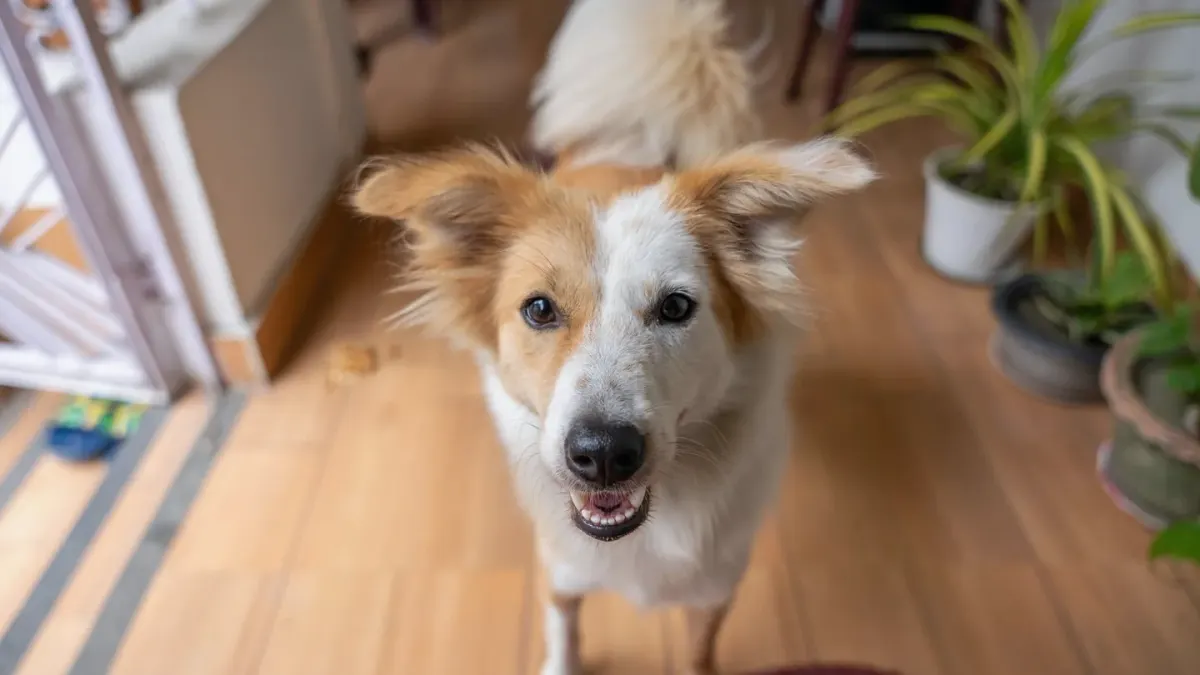
Late August in Anaheim, Megan lets Paige, her 4-year-old spayed Westie, out for a morning run on the lawn. By noon Paige is chewing her front paws, her belly looks pink, and the itch lasts three days after mowing.
If that sounds familiar, use this quick checklist before you change anything else:
- Watch the pattern: itchy paws, belly, armpits, and ears after yard time, worse in pollen season
- Rinse after grass: paws and belly with plain water after long outdoor sessions
- Plan exposure: shorter outings, mowed dry grass, and wipe-downs during high-pollen days
- Protect the barrier: regular baths with a vet-approved shampoo and year-round flea control
- Track and call: keep a 2-week itch log and call your vet if scratching breaks skin or recurs weekly
That list is the whole strategy in miniature. You cannot keep an outdoor dog off grass, but you can lower how much pollen stays on skin and how long it stays there.
How to tell it is grass, not just dry skin
Grass allergy is usually environmental atopy, an overreaction to pollens that land on skin and paws. Vets often see licking of feet, rubbing of the face, red belly and inner legs, recurrent ear redness, and hot spots after yard season starts. It tends to be seasonal at first, then longer as dogs age.
Foods can cause itch too, but grass itch follows outdoor contact. If Paige itches within hours of rolling in fresh-cut grass and settles after rinsing, contact and airborne pollen are higher on the list than a food trigger. Individual dogs vary, so keep notes rather than guessing.
Diet still matters for skin resilience. A balanced diet with adequate essential fatty acids helps support normal skin barrier function, and fiber-rich whole foods can be part of that pattern. For example, small portions of fresh apple without seeds and plain banana are often discussed in vet nutrition guides like Can Dogs Eat Apples? A Neurologist’s Take on Fiber, Seeds, and Portion Sense and Can Dogs Eat Bananas? A Vet Nutritionist’s Honest Take on Portion, Peel, and Potassium — useful context, not treatment for allergy itself.
Rinse, wipe, and time the yard
This is where management wins. Pollen is a surface load. How it is thought to work is simple: less pollen resting on warm, damp paws means less chance to irritate skin.
In practice, that means a 60-second rinse of paws and underside with plain lukewarm water after long play, then pat dry. Keep a shallow basin by the door and a clean towel. For short potty breaks, a damp microfiber wipe of feet and belly is enough. Wash bedding weekly during pollen peaks, because dogs re-expose themselves overnight.
Timing helps too. Go out midday when grass is dry rather than early morning when pollen and dew are heavy. Keep grass mowed short, avoid freshly cut lawns for a day, and skip rolling or fetching in tall field grass. One concrete change helps many families: swap one 45-minute evening romp for two 15-minute walks on mowed paths plus indoor play.

When home care is not enough
Home rinsing may help support comfort, not cure allergy.
Call your vet if itch lasts more than 3 to 5 days, if skin is broken, smelly, or hairless, if ears shake or smell yeasty, or if paw chewing happens most weeks. Your vet may check for fleas, infection, and other causes, discuss anti-itch options, allergy testing, or immunotherapy for long-term cases, and suggest a bathing plan that fits your dog’s coat.
That blend is deliberate. According to VCA Hospitals, environmental allergies in dogs often need both exposure reduction and medical care for flare-ups. The American Kennel Club notes a similar pattern for seasonal itch: manage the environment first, then add veterinary treatment when signs persist.
Short, plain, and worth repeating.
Dogs who live outdoors do best with routine, not avoidance. Rinse the pollen off, plan the yard time, and let your vet handle the rest.
Frequently asked questions
What do grass allergies in dogs look like?
Most often paw licking, belly and armpit redness, face rubbing, and recurrent ear redness after yard time, worse in pollen season. If skin is broken or itch lasts more than a few days, call your vet.
Can I prevent grass allergies by keeping my dog inside?
Total avoidance is not realistic for most dogs. Shorter sessions on mowed dry grass, rinsing paws and belly after outings, and regular bedding washes lower exposure without removing outdoor life.
Sources
- Allergy – General in Dogs — VCA Hospitals