On this page
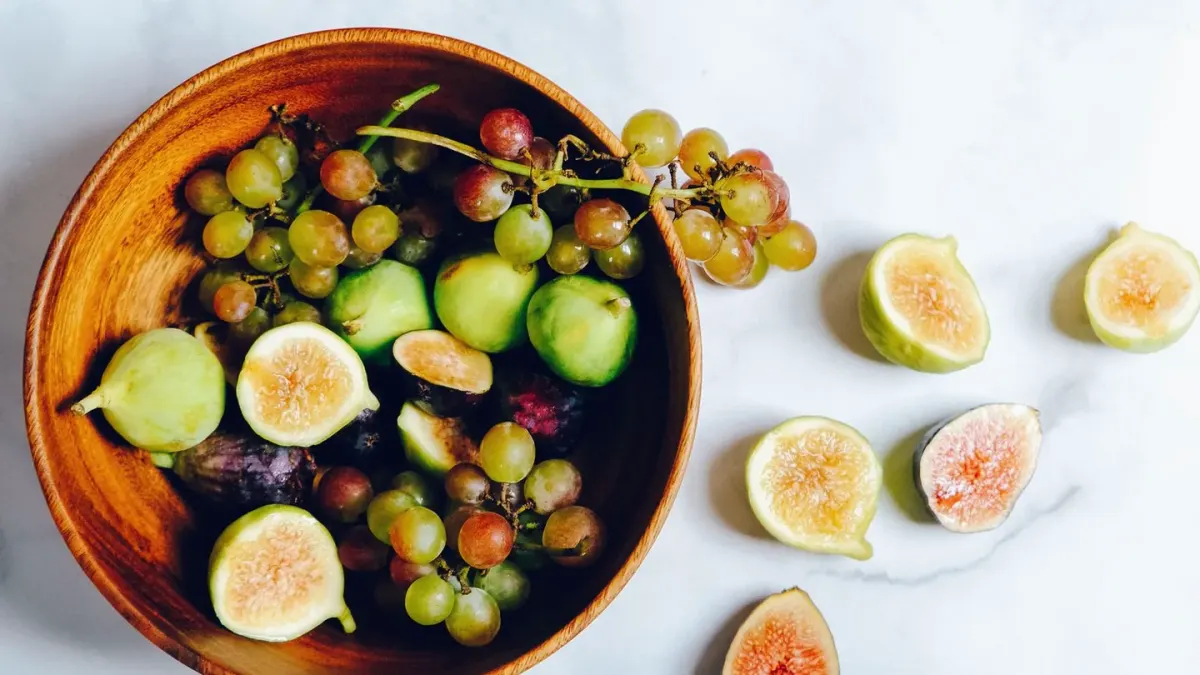
Imagine a fruit bowl left on the counter overnight, a few loose grapes rolled to the edge where a curious nose can reach them, and a dog who treats anything that smells faintly sweet as fair game. By morning there’s no way to know for certain how many grapes disappeared, whether it was two or a dozen, or whether this particular dog is one of the ones whose kidneys will tolerate it or one of the ones whose kidneys won’t. That uncertainty is not a gap in owner knowledge — it’s a gap in veterinary knowledge, and it’s the reason the answer to whether dogs can eat grapes has stayed a flat no for as long as this toxicity has been recognized.
The Question Every Grape Bowl on the Counter Raises
Grapes, raisins, and currants belong on the same short list as chocolate and xylitol: foods that are fine for people and genuinely dangerous for dogs, full stop. What sets grapes apart is how little correlation there is between amount eaten and outcome. According to Merck Veterinary Manual, most dogs with grape, raisin, or tamarind toxicosis develop vomiting or diarrhea within 6 to 12 hours of ingestion, with lethargy, anorexia, abdominal pain, weakness, dehydration, and tremors following as the picture worsens. Those early signs look like ordinary stomach upset, which is part of what makes this ingestion easy to underestimate in the first hours.
What Tartaric Acid Does Once It’s Inside a Dog
For years, the exact toxic compound in grapes was a genuine unknown in veterinary toxicology — an unsatisfying place for a mechanism-minded clinician to sit. That changed with research connecting the toxicity to tartaric acid. A case series published in the Journal of Veterinary Emergency and Critical Care documented dogs that developed acute kidney injury after ingesting cream of tartar or tamarinds — both concentrated tartaric acid sources — with clinical signs, lab findings, and kidney tissue changes matching classic grape and raisin toxicosis. The proposed explanation is a species-specific vulnerability: dogs handle organic acids differently than most other animals, and tartaric acid appears to accumulate in the cells lining the kidney’s proximal tubules rather than being cleared efficiently. ASPCApro reports the same finding, which is meaningful confirmation from two independent bodies of casework rather than a single study standing alone.
That’s a mechanism I take seriously as a neurologist, not just a curiosity. Kidney injury of this kind doesn’t stay contained to the kidneys — a dog in acute renal failure can develop the kind of metabolic derangement and tremors that land squarely in neurologic territory. It’s one more reason I don’t treat this as a niche GI question.
The Dose Problem No One Can Fully Predict
There is no dose of grapes considered safe, and that’s not overcaution — it’s an honest description of what the data shows. Toxicity has been reported after small amounts in some dogs and not at all after larger amounts in others, with no reliable pattern based on breed, size, or prior exposure. VCA Hospitals frames grape and raisin ingestion as a poisoning risk regardless of quantity, which is the same conclusion I’d reach independently from the case literature: when a toxic threshold can’t be predicted for an individual patient, the only defensible clinical stance is to treat every exposure as potentially serious.
This is also where I part ways with a more relaxed read some owners land on after their dog eats a grape or two and seems fine the next day. A dog tolerating one exposure tells you nothing reliable about the next one. I don’t extend that leniency to grapes the way I might to a genuinely low-risk food, because the downside — irreversible kidney failure — is too steep to bet against.
The First 48 Hours Decide the Outcome
Consider a dog who eats a handful of raisins off a hiking trail mix left open in a backpack. The owner notices within the hour, calls their vet, and decontamination — inducing vomiting, giving activated charcoal — happens before much absorption occurs. That dog’s odds look very different from a dog whose ingestion goes unnoticed until vomiting starts the next morning, by which point the window for decontamination has mostly closed and the conversation shifts to bloodwork, IV fluids, and watching kidney enzymes climb. The timeline is the whole game here: signs of kidney injury, including increased thirst, reduced urination, and abdominal discomfort, tend to lag 24 to 48 hours behind the initial GI upset, according to VCA Hospitals. By the time a dog looks obviously sick from the kidneys, the injury is already underway.
Where the Imaging Study Meets the Needle
My instinct in any case with diagnostic uncertainty is to reach for both the imaging study and the acupuncture needle — run the bloodwork and imaging that tell you what’s actually happening in the kidneys, and only once that picture is clear, layer in supportive modalities that may help a recovering patient feel more comfortable. Grape toxicity is a case where the imaging study comes first, not optionally. Renal panels, urinalysis, and sometimes abdominal imaging are what confirm or rule out kidney injury — no amount of careful diet or herbal support substitutes for that data in the acute window. Once a dog is stabilized and past the acute injury phase, food therapy and integrative support are things I’ll discuss as adjuncts to recovery, framed as what they may help support rather than promises about outcome. But that conversation happens after decontamination and monitoring, not instead of it.
A useful parallel here is how differently we treat other everyday dog foods. Guides on sweet potato or garlic usually turn on dose and preparation, because the risk scales in a predictable way. Grapes don’t behave like that, which is closer to how certain nuts are handled — our guide to which nuts are toxic to dogs covers a similar category of food where the safest posture is avoidance rather than portion control.
What This Means for the Fruit Bowl at Home
The verdict doesn’t change based on breed, size, or a dog’s track record with human food. Grapes, raisins, and currants stay off the menu entirely — not measured out, not offered as an occasional treat, not tested in small amounts to see how a particular dog handles them. If a grape or raisin does go missing and your dog might have eaten it, don’t wait for symptoms to decide whether it matters. Call your veterinarian or an animal poison control line promptly, keep the packaging or a rough count of what was available, and let bloodwork — not guesswork — tell you where things stand. Individual dogs vary in a lot of ways, but this is one area where that variation cuts against complacency rather than for it.
Frequently asked questions
My dog ate one grape. Is that actually dangerous?
Possibly. Vets cannot reliably predict which dogs will react to a small amount and which won't, so a single grape still warrants a call to your veterinarian or an animal poison control line rather than a wait-and-see approach.
Are raisins worse than fresh grapes?
Raisins are more concentrated by weight because the water content is removed, so a small handful of raisins can carry a much higher dose of the toxic compound than the same weight in fresh grapes.
What about grape juice, jelly, or wine?
Processed grape products still contain the underlying toxic compound and should be treated with the same caution as whole grapes, even though the exact risk per product hasn't been as thoroughly studied.
How would I know if my dog's kidneys were affected?
Early signs are often nonspecific — vomiting, poor appetite, lethargy — while more concerning signs like excessive thirst, reduced urination, or abdominal pain can lag behind by a day or two, which is exactly why waiting to see symptoms is the wrong strategy.
Sources
- Grape, Raisin, and Tamarind (Vitis spp, Tamarindus spp) Toxicosis in Dogs — Merck Veterinary Manual
- Grape, Raisin, and Currant Poisoning in Dogs — VCA Hospitals
- Acute kidney injury in dogs following ingestion of cream of tartar and tamarinds and the connection to tartaric acid as the proposed toxic principle in grapes and raisins — Journal of Veterinary Emergency and Critical Care
- Toxic Component in Grapes and Raisins Identified — ASPCApro