On this page
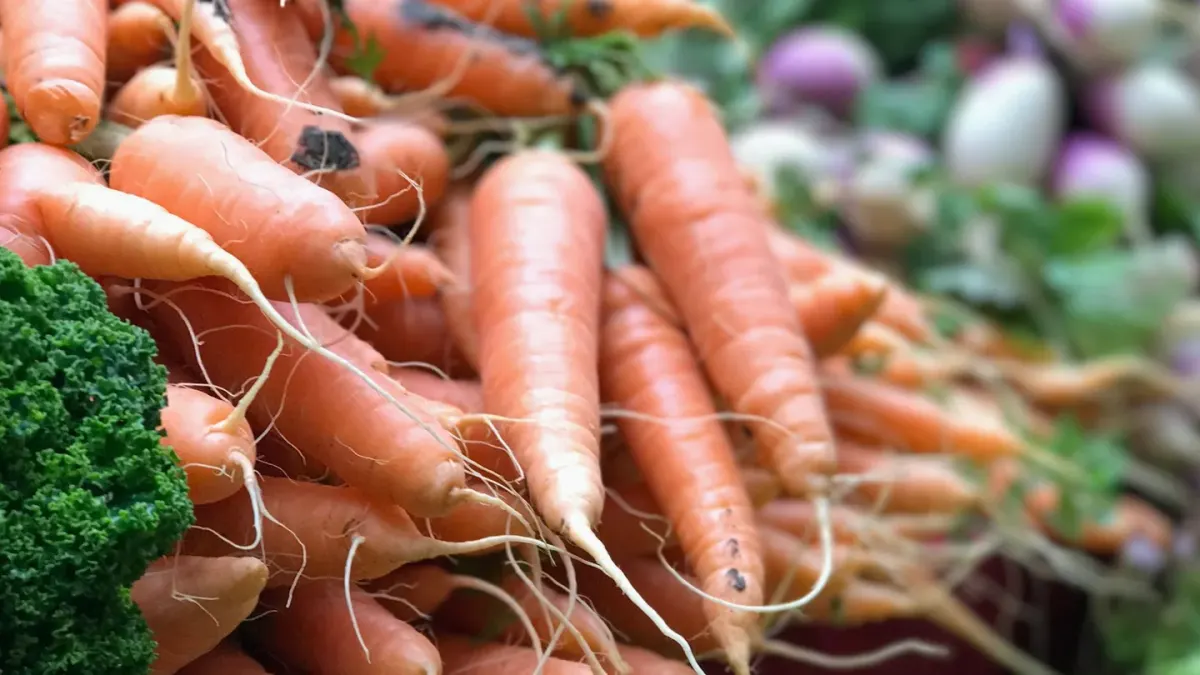
Imagine a kitchen counter mid-dinner-prep: a bag of carrots split open, peelings in the sink, and a dog stationed exactly where the peeler’s arc ends. The owner tosses down an end piece more out of habit than thought. The dog inhales it in under two seconds. Nothing happens — no vomiting, no vet visit, nothing dramatic — because carrots are, structurally and nutritionally, one of the easier calls in the produce aisle. That’s not the interesting part of this question, though. The interesting part is what happens when that habit repeats daily, at what size, and for which dog, because that’s where a perfectly safe food quietly becomes a problem.
Before You Toss One Into the Bowl: A Quick Checklist
- Size the piece to the dog — a Chihuahua and a Labrador should not get the same carrot stick.
- Raw or cooked, plain only — skip butter, salt, or seasoned roast carrots.
- Cap it at a snack, not a meal component — carrots aren’t a substitute for a balanced diet.
- Watch total vitamin A intake if your dog is already on a fortified commercial food.
- Introduce slowly the first few times, since any new produce can cause loose stool in a sensitive gut.
Each of those points earns its place on the list for a specific reason, and they’re worth unpacking rather than taking on faith.
Why Vitamin A Is the Real Story Here
According to AKC, carrots are an excellent source of vitamin A, potassium, and fiber, and the AKC also notes that a handful of vets recommend cold or frozen carrots for teething puppies. The mechanism behind the vitamin A benefit is worth naming directly: carrots don’t contain retinol itself, they contain beta-carotene, a plant pigment the dog’s body converts into vitamin A as needed. That conversion step is the nutritional evidence I’d point to before calling carrots an eye-health food outright — the precursor form gives the body some control over how much it actually uses, which is part of why whole-food sources like carrots behave differently than a synthetic vitamin A dose. PetMD frames the fiber content the same way: carrots are low-calorie and low-fat, which is exactly the combination that makes them a reasonable substitute for higher-calorie commercial treats in a dog that needs to lose weight or is already prone to it.
The ASPCA lists carrots among its recommended human-food snacks specifically because they’re low in calories and don’t tend to cause gas — a small but real quality-of-life detail for anyone who’s shared a couch with a gassy dog after the wrong treat. That’s a low bar, but it’s a real one.
A fiber-forward vegetable like a carrot works on the digestive system the same broad way other soluble-and-insoluble fiber sources do, similar in principle to how sweet potato is often discussed for stool quality in dogs with sensitive digestion — though the two vegetables aren’t nutritionally interchangeable, and a dog with an actual GI condition needs a vet’s input, not a produce swap.
Where Carrots Can Actually Go Wrong
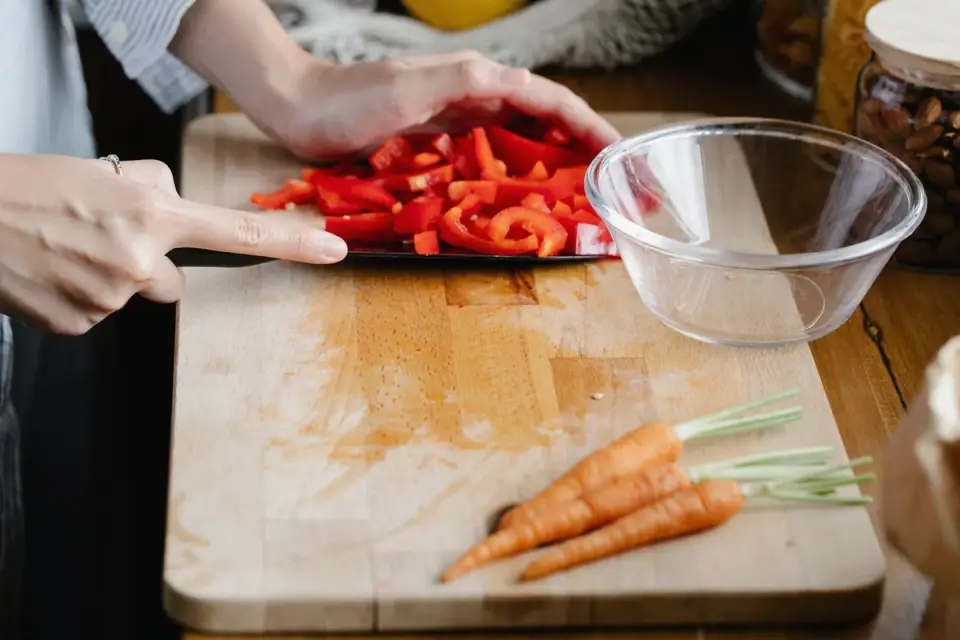
Consider a small terrier that gets handed a whole baby carrot the same way a large dog would. The terrier doesn’t chew it into manageable pieces; it tries to swallow most of it in one motion, the way dogs often do with anything that smells like food and disappears fast. For a fifty-pound dog, that carrot is a non-event. For a twelve-pound dog, it’s a shape and size that can lodge in the throat. This is the single most common way a genuinely safe food turns into an emergency room visit, and it has nothing to do with the carrot’s chemistry and everything to do with geometry. Cutting produce to the size of the mouth in front of you is a boring habit, but it’s the one that actually prevents the bad outcome.
The other failure mode is quieter: vitamin A is fat-soluble, which means it can accumulate in the body rather than being flushed out the way water-soluble vitamins are. A dog eating a modest carrot here and there alongside a complete commercial diet isn’t in meaningful danger of that. A dog getting carrots as a daily, sizable habit on top of an already-fortified diet is stacking a redundant vitamin source on top of one that’s already accounted for. It’s not a dramatic risk, but it’s also not nothing, and it’s the reason I treat carrots as a snack line-item rather than a nutritional supplement.
GI upset is the most common short-term issue, and it looks the same as it does with any new produce — softer stool for a day or two while the gut adjusts. That’s a reason to introduce carrots gradually, especially in dogs already managing a sensitive stomach or transitioning between foods, not a reason to avoid carrots altogether.
The Bottom Line
Some owners understandably ask why bother with a whole-food snack at all when a complete commercial diet already covers a dog’s nutrient needs — and that’s a fair counterargument. A dog on a well-formulated food doesn’t need carrots to be healthy. But not necessary and not worth doing aren’t the same thing. A low-calorie, low-fat, fiber-containing snack that most dogs enjoy and most guts tolerate is a reasonable trade against the higher-calorie, higher-fat commercial treats it’s often replacing. I land on carrots being a good default snack for the majority of healthy dogs, sized appropriately and kept to a modest share of daily intake — not because they’re a superfood, but because the downside risk is small and almost entirely within an owner’s control at the cutting board.
As with anything added to a dog’s diet outside their regular food — this applies just as much to produce as it does to questionable additions like garlic — individual dogs vary, and a vet who knows the dog’s history is the right person to flag anything specific to that animal.
Frequently asked questions
Can puppies eat carrots?
Yes, and many people freeze small pieces for teething relief. Cut them smaller than you would for an adult dog, since puppies are more likely to gulp than chew.
Raw or cooked — does it matter?
Both are fine. Cooking softens the texture, which can help dogs with dental pain or older dogs who struggle with raw crunch, but it doesn't change the safety picture.
How many carrots is too many?
Treat carrots like any other treat: they shouldn't crowd out a balanced diet. A dog already getting a fortified commercial food doesn't need carrots as a vitamin source — they're a snack, not a supplement.