Why Does a Dog Stare at a Blank Wall?
A veterinarian explains why dogs stare at blank walls, from hearing and attention to seizures and cognitive decline, and when to call your vet.

Your friendly, practical guide to dog breeds — temperament, care, and finding the right fit.
52 guides in this section.
A veterinarian explains why dogs stare at blank walls, from hearing and attention to seizures and cognitive decline, and when to call your vet.
A preventive behavior guide to on-leash greetings, stress signals, and calmer alternatives for walks.

Your dog ignores recall at the park because the environment outcompetes your cue. Learn how to rebuild recall step by step with prevention, training, and realistic expectations.

Learn how to build a predictable, low-pressure routine for a dog that hides when visitors arrive, with safe-space setup and realistic timelines.

A practical guide to reading fear between housemate dogs, setting up safe space, and rebuilding confidence without forcing interaction.

Understand why dogs get nippy and mouthy when overexcited, what's happening physically, and the checklist for redirecting the behavior before it becomes a habit.

Practical apartment tips for a reactive dog: manage hallways and elevators, train under threshold in short sessions, and build rest that supports calmer behavior.

A veterinarian breaks down why recall fails from puppyhood through adolescence and what actually rebuilds it.

A veterinarian explains how the engage-disengage game helps reactive dogs learn to notice triggers calmly, and the timing mistakes that undermine it.
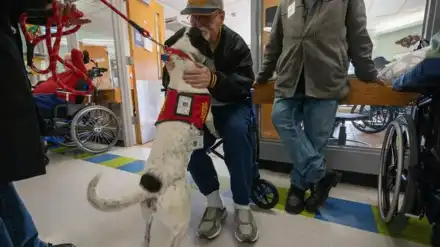
A veterinarian explains when food bowl guarding is normal, how it shifts across a dog's life stages, and when a growl over dinner needs real intervention.

A vet's practical guide to desensitizing a dog to fireworks with sound recordings — the volume ladder, timing, common mistakes, and when recordings aren't enough on their own.

A vet-informed guide to why dogs plant their feet mid-walk and stop moving, what's driving it, and how to rebuild confidence on the leash.

A vet-reviewed guide to helping a fearful dog like something he's scared of, using counterconditioning, gradual exposure, and realistic timelines.

A practical, vet-informed timeline for preparing your dog before, during, and after a new baby comes home — what to change early, what to watch for, and when to call in help.

A tucked tail and flattened ears are a dog's clearest stress signals. Here's what the posture is actually telling you, and when it's worth a closer look.

Why the weekly garbage truck sets off real panic in some dogs, what the fear response actually looks like, and a practical plan to help a dog feel safer on collection day.
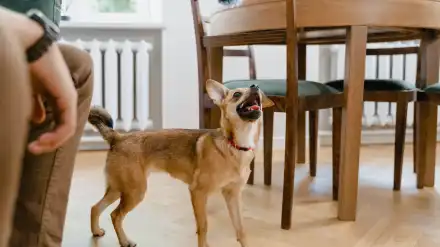
A step-by-step, vet-informed guide to helping a dog who trails you room to room build calm, confident independence without ignoring the underlying cause.

A vet's guide to reading a dog's growl — the loose, rhythmic sound of play versus the stiff, low growl that means back off, plus what to do with each.

A vet explains why dogs really hump — dominance is rarely the reason — and how to read arousal, stress, and play so you respond the right way.

A vet explains how to tell whether a dog lunging at the end of the leash is frustrated by the barrier or genuinely aggressive — and what each one means for training.
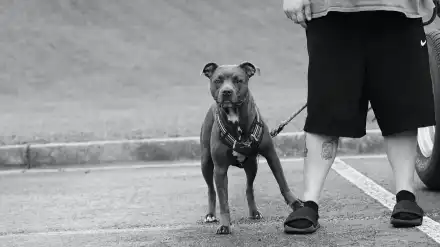
A vet-bylined guide to the real difference between a dog trainer, a certified behavior consultant, and a veterinary behaviorist — and how to pick the right one for your dog's problem.

A vet-informed, brand-neutral breakdown of the 3-3-3 rule for rescue dogs — what actually happens during the first three days, three weeks, and three months, and how to help a new dog settle in.

A vet-informed guide to why dogs growl during petting, how to tell pain from fear from overstimulation, and what to do the moment it happens.

A vet's guide to telling boredom chewing from anxiety chewing in dogs, with the clues that actually separate the two and what to do about each.