On this page
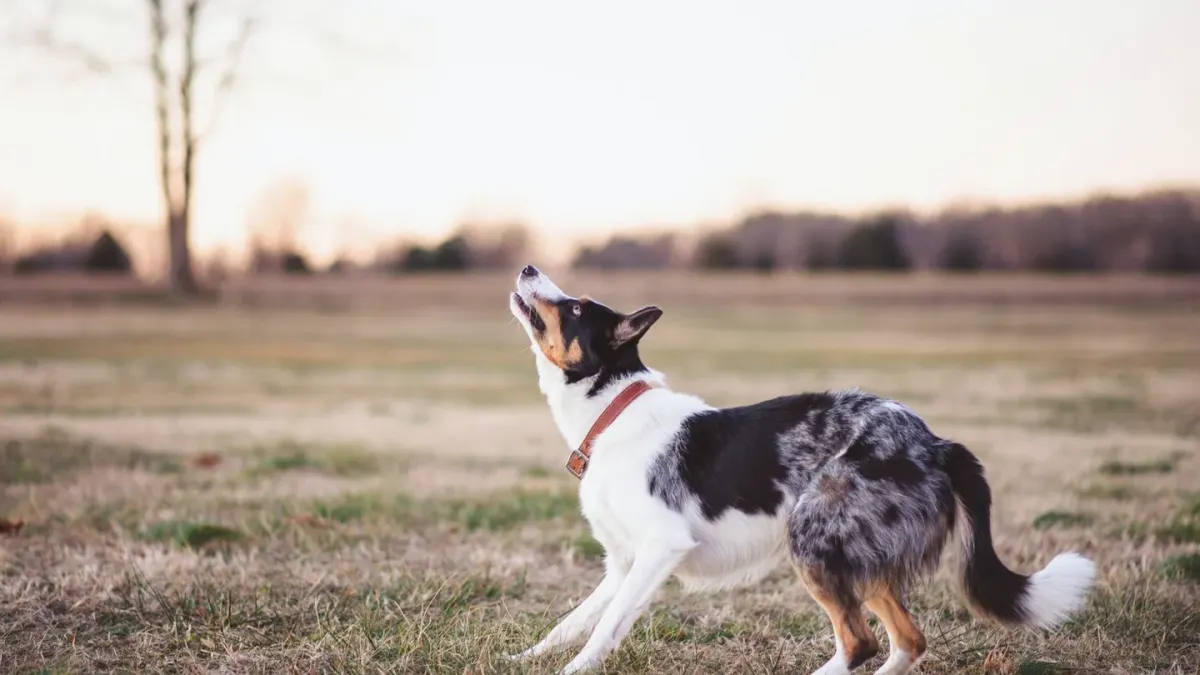
You are halfway down the block when your 2-year-old, 48-pound mixed-breed spots another dog and locks on. Tail up, breath quick, leash tightening by the second. You feel the social pressure to walk over and let them say hi, and you wonder if saying no would be mean or would hurt his social skills. That choice at 20 feet matters more than the three seconds of nose-to-nose contact ever will, because on leash your dog cannot use normal movement to feel safe.
I counsel owners to set the expectation first: most adult dogs do not need to greet every dog. They need predictable walks where you protect their space. Dogs vary widely in temperament, and a friendly dog at home can still feel trapped, frustrated, or overwhelmed on leash. My recommendation is selective, brief greetings only with calm, known dogs — and a practiced pass-by for everyone else. The strongest counterargument is that more greetings mean better socialization, but forced hellos often teach pulling, barking, and tension instead.
When a polite hello turns tense
On-leash greetings remove flight. Two dogs approach head-on, leashes shorten, bodies stiffen, and neither can curve away the way dogs prefer off leash. Add tight handling from us and excitement quickly tips into frustration.
Watch the baseline before you decide. Loose body, soft eyes, and easy movement that can disengage are very different from staring, freezing, whining, lunging, or pinning ears back. Growling is information, not defiance, and it deserves space rather than correction. If you are seeing hard stares or stiffening around handling, that pattern overlaps with what I describe in Barrier Frustration vs Aggression: What’s the Difference? and Why Does My Dog Growl When I Pet Him?.
Permission helps. Ask the other owner, keep leashes loose in a J shape, allow three seconds, then cheerfully move apart while both dogs are still calm.
The walk where saying yes taught the wrong lesson
By day 10 of a new walking route, a 4-year-old, 62-pound Labrador-type had learned a clear routine. Every walk meant dragging his owner toward each dog across the street, then exploding into barking when the leash stopped him short. The owner thought letting him meet would calm him down, so she let him pull in for a long, tangled greeting. Three weeks in, the pattern was worse: whining from a block away, jumping at the end of the leash, and snapping when finally allowed nose-to-nose because arousal had nowhere to go. The failed tradeoff was understandable. One long greeting felt kinder in the moment, but it rewarded the whole chain of staring, pulling, and holding breath on approach. We changed the job from meeting to passing, with treats for checking in and a wide arc around other dogs.
That shift works because frustration builds with repetition.
What I do instead on real sidewalks
Prevention beats cleanup. Keep distance first, behavior second, and greetings last.
Try this sequence for the next two weeks. Spot the other dog early, move to the side, ask for a sit or a hand touch, and feed for looking at you. If your dog can glance at the trigger and turn back easily, you chose the right distance. If he cannot take food, cannot blink away, or starts vocalizing, add space without scolding.
Short greetings have rules. Both owners agree, both dogs look soft, you keep a three-second count, then you call away happily. End while it is still boring.
Practice helps more than pep talks.
The shy senior, the rude greeter, and the puppy question
A 9-year-old, 18-pound terrier mix changed how her owner thought about manners. She had always tolerated greetings, then by week six after a move she began tucking behind legs and lip-licking when an unfamiliar 70-pound adolescent bounded over. The owner worried she was becoming unfriendly, but the new setting, age-related stiffness, and size difference had changed the math. We stopped street greetings entirely and saved social time for one calm older neighbor dog on a long leash in an open yard. Within a month she was sniffing, shaking off, and choosing to approach again because she could leave.
Puppies still need exposure, but exposure does not mean a gauntlet of strange dogs. Brief, positive observations at a distance build confidence without flooding. For mouthy, overexcited youngsters, the mechanics in How to Stop Puppy Biting and Mouthing pair well with the same reward timing you will use for calm pass-bys.
What about calming chews and teas owners ask about in the exam room? MDPI published a review noting that “For the remaining species, evidence is derived mainly from preclinical studies or traditional use.” That line is a useful reminder to keep expectations realistic: training, distance, and low-stress handling carry the plan, and any supplement is only background support to discuss with your own vet. You can read more on humane training principles from the American Veterinary Society of Animal Behavior.
Where I land for most dogs
If you remember one baseline, make it this: your walk is not a social obligation.
Should you keep practicing if your dog already lunges and barks at every dog? Yes, but practice distance and disengagement, not more forced hellos, and get in-person help if you see freezing, hard stares, or bites. Individual dogs vary, and fear, pain, and learning history all shape what looks like rudeness.
Frequently asked questions
Should I let my dog greet every dog on walks?
No. Most dogs do better with selective, brief greetings only with calm, known dogs and a practiced pass-by for unfamiliar dogs.
How long should a dog greeting last?
Keep on-leash hellos to about three seconds, then call away while both dogs are still relaxed. Longer greetings often raise tension.
What if my dog lunges to say hi?
Add distance, reward checking in with you, and skip the greeting. Repeated greetings after pulling usually reinforce pulling.
Sources
- Biomedicines Review on Chamomile Evidence — MDPI
- Position Statements on Animal Behavior — American Veterinary Society of Animal Behavior