On this page
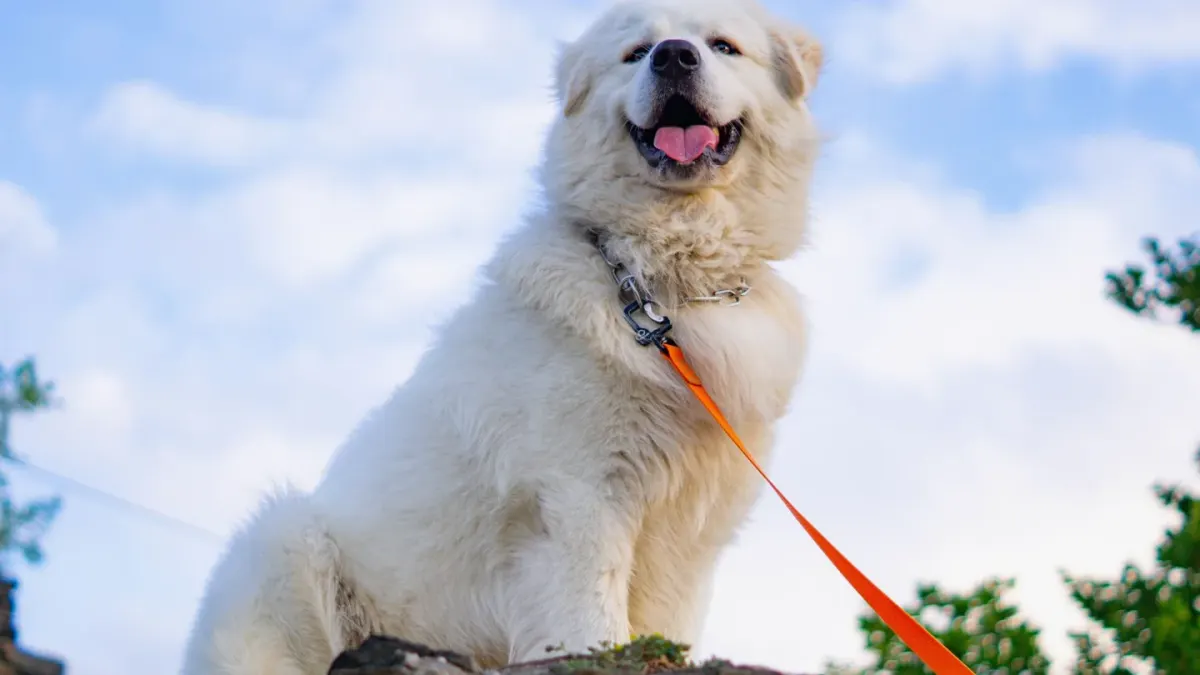
Great Pyrenees tend to be devoted and gentle with their own circle and reserved, sometimes pushy, with unfamiliar dogs because they were bred to decide who belongs with the flock and who does not.
As a neurologist, I think of that decision as pattern recognition under arousal: familiar movement, scent, and routine signal safety, while fast, direct, unfamiliar approach raises vigilance. Management and early learning shape which pattern your dog files a new dog under. The American Kennel Club describes the breed as confident, gentle, and affectionate with family, yet naturally guardians that may be wary outside that circle.
Guardians first, playmates second
A Pyrenees does not usually meet a strange dog the way a retriever might. Many will stand still, stare, place themselves between you and the other dog, bark deeply, or try to expand their personal bubble.
That is not spite. Livestock guardians were selected for independent judgment over long nights with sheep: notice change, posture first, escalate only if needed. In a suburban home, the “flock” becomes people, housemate dogs, cats, and sometimes the neighbor’s chickens. Once another dog is accepted into that group, many Pyrenees are calm, tolerant housemates who share space without needing constant wrestling.
Individual dogs vary widely. Sex, maturity, neuter status, past scares, pain, poor sleep, and simply being overtired can shift tolerance day to day.
Which other dogs do they accept most easily?
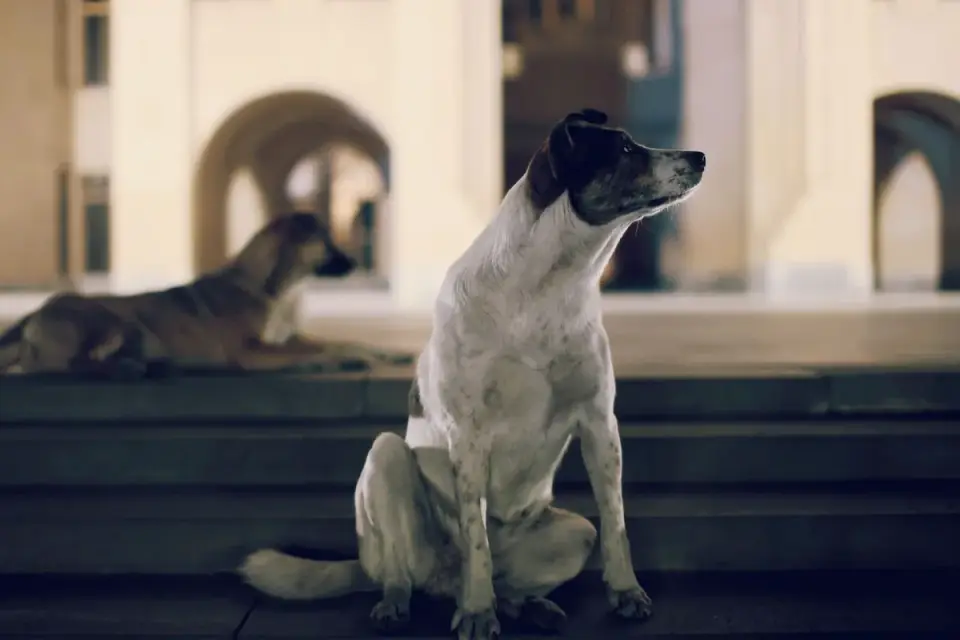
Early, gradual introductions matter more than breed of the other dog, but a few patterns show up often:
- Housemate dogs raised together: Best odds, especially when the second dog arrives during the Pyrenees puppy period and routines stay predictable.
- Calm, older, socially skilled dogs: A steady dog that reads a hard stare and curves away is easier to accept than a bouncy adolescent that rushes face-first.
- Opposite-sex pairings: Many large guardian owners find male-female pairs argue less than two same-sex adults, although training and space matter more than sex alone.
- Small or familiar neighborhood dogs: Often ignored once the novelty fades, unless chase is triggered by running and squeaking.
Same-sex adult strangers, off-leash rushers, and dogs that stare, mount, or bark in the face are the usual flashpoints. Tight leashes, doorways, and fences can magnify tension too. If you are sorting leash behavior, this explainer on Barrier Frustration vs Aggression: What’s the Difference? can help you read what the barrier is adding.
How to introduce a Pyrenees to another dog
Think low pressure and short, not one long meet-and-greet.
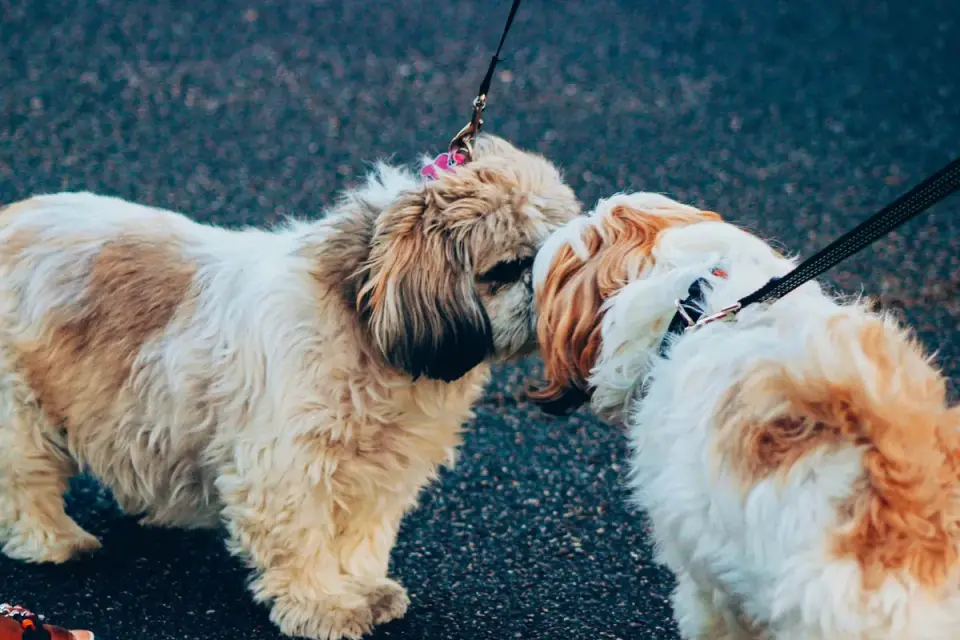
Start on neutral ground with room to move, both dogs on loose leashes with a second handler. Walk parallel in the same direction before any nose-to-nose greeting, rewarding settled glances and check-ins the way owners in our community describe — we rewarded our dog for staying settled when other animals came into view. Keep first sniffs to three seconds, then call away cheerfully.
If bodies stay soft, allow a little more time. Stiffness, a high closed tail, hard staring, growling when crowded, or one dog repeatedly trying to leave means create distance and try later. My dog stiffens and growls when unfamiliar people or dogs crowd him is a common guardian warning worth respecting rather than correcting harshly.
For puppies, pair exposure with food, rest, and play in rotation. Guidance on How to Stop Puppy Biting and Mouthing is useful here because overtired mouthy puppies greet other dogs worse. For housemates, feed separately, give each dog a chew station, and avoid forcing shared beds or toys in week one.
From an integrative view, I stay anchored to how calming routines are thought to work: predictable exercise, sniffing, chewing, and sleep may help support a steadier nervous system, but they do not rewire guardian instinct by themselves. The National Institutes of Health Office of Dietary Supplements is a useful model for that kind of careful distinction between traditional use and proven effect, even when we are talking about behavior rather than supplements.
Living well in a multi-dog home
Space is kindness for this breed. A Pyrenees that can move away, perch to watch the yard, and retreat to a quiet room will tolerate a housemate far better than one that feels cornered. Baby gates, separate water stations, and rotating yard time prevent many arguments.
Watch play style. Pyrenees often body-block, lean, shoulder-check, and bark rather than chase for long. That can overwhelm herding pups and terriers. Interrupt, offer water and a sniff break, then restart only if both dogs re-engage.
Boredom makes guarding louder. A long alone day with no outlet can leave a Pyrenees pacing and barking at every dog passing the window. If you are unsure whether restlessness is under-stimulation or worry, compare notes with Boredom vs Separation Anxiety: How to Tell the Difference and Is My Dog Chewing Out of Boredom or Anxiety?.
A short story I hear often: a family adds a lively young lab for their two-year-old Pyrenees, hoping for a playmate. The first week brings posturing at doors and grumbling over bones. They switch to parallel walks, separate feeding, and evening decompression walks with no greetings. By week three the dogs choose to nap in the same room — not cuddling, but calm. That calm coexistence is success for a guardian.
When to get help
Growling is information, but seek in-person help promptly for bites, fights that leave punctures, guarding that spreads to more rooms or people, or a dog that cannot settle for hours after seeing another dog. Your own veterinarian can check for pain, thyroid disease, neurologic change, and hearing or vision loss, especially in seniors, and refer to a certified behavior consultant for a hands-on plan.
Do Pyrenees like other dogs? Many like their dogs deeply and tolerate others politely when introductions are slow, space is generous, and greetings stay calm. Expect a guardian first, not a social butterfly, and you will read them more fairly.
Frequently asked questions
Are Great Pyrenees good with other dogs in the same house?
Often yes when the introduction is gradual, resources are separated at first, and both dogs get space to rest. Opposite-sex pairs and calm housemates tend to be easiest, but individual temperament matters most.
Why is my Pyrenees aggressive toward strange dogs on walks?
Many Pyrenees treat fast, direct approaches as intrusions and react with barking, staring, or lunging. Distance, parallel walking, short greetings, and rewarding disengagement usually help more than forcing a meeting.
Do Great Pyrenees like small dogs?
Some ignore or gently accept small housemate dogs, while others may chase if the small dog runs and squeaks. Supervise early, prevent chase games, and give the Pyrenees a calm way to disengage.
Sources
- Great Pyrenees Dog Breed Information — American Kennel Club
- Dietary Supplement Fact Sheets — National Institutes of Health Office of Dietary Supplements