On this page
You reach down for a routine scratch and instead of leaning in, your dog stiffens, freezes, or growls. It catches most owners off guard, especially with a dog who has never done it before. The short answer is that growling during petting is rarely about defiance. It is almost always your dog telling you something about pain, fear, or overstimulation, and the growl itself is the safest part of that message.
Why Does a Dog Growl When You Pet Him?
Growling is a warning, and warnings exist so a dog does not have to skip straight to a bite. Before you address the behavior, it helps to separate the growl from the dog’s overall body language. A relaxed dog who growls softly during a belly rub, with a loose body and soft eyes, is communicating something very different from a dog who freezes with a stiff tail, pinned ears, and a hard stare. The second dog is telling you he is uncomfortable, and continuing to pet him in that state is what escalates things, not the growl itself.
Could Pain Be Behind the Growl?
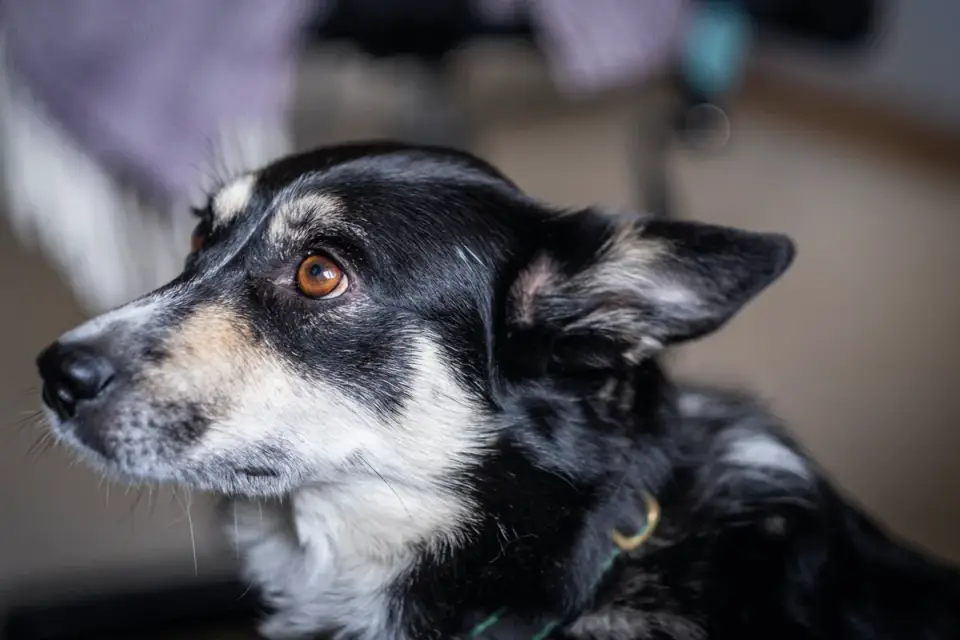
Pain is one of the most common and most missed reasons a dog suddenly growls when touched. Dogs are built to hide discomfort, so a growl that appears only when you touch the hips, back, tail base, ears, or a specific leg is worth taking seriously, not brushing off as a mood. According to Dr. Buzby’s ToeGrips, touch sensitivity around the rear end and joints is a recognized sign of arthritis, and dogs experiencing that kind of joint pain can become more reactive to being handled in those areas. If the growling is new, tied to a specific spot on the body, or paired with stiffness, limping, or reluctance to jump or climb stairs, a veterinary exam should come before any training plan. Trying to train away a pain response only delays the real fix.
How Fear and Past Experience Shape the Response
Some dogs growl during petting because of history rather than current pain. A dog who was handled roughly as a puppy, startled awake, or cornered by a well-meaning child may associate certain kinds of touch with something unpleasant, even years later and even with an owner he adores. This shows up most with touch near the collar, muzzle, paws, or tail, or with petting that comes on fast from above the head rather than from the side. It is not a character flaw. It is a learned association, and learned associations can shift with patient, predictable handling over time.
If you also notice your dog struggling to settle around loud, sudden triggers, our guide on My Dog Panics at the Sound of the Garbage Truck walks through a similar fear-based pattern and how a desensitization plan is built week by week.
What Should You Do the Moment It Happens?
Stop petting and give your dog space. That single pause is doing more good than any correction would. Do not scold, stare him down, or push through the growl to “win.” Confrontational responses tend to suppress the warning without resolving what triggered it, and AVMA reporting on veterinary behaviorist guidance notes that aversive training methods carry real welfare and safety downsides compared with reward-based approaches. Once your dog has settled, note exactly where your hand was and how the petting started. That detail matters more than it seems.
Building Trust With Better Handling
Over several short, low-pressure sessions, let your dog approach your hand rather than reaching for him first, and pair calm touch near a sensitive area with something he genuinely values. Puppies who get comfortable, positive handling early tend to carry that tolerance into adulthood, which is part of why gentle early exposure — the kind covered in our guide to setting up a crate for a puppy’s first night — pays off well beyond the crate itself.
A smaller number of owners also look at calming support alongside training, especially for dogs whose growling is tied to general anxiety rather than one specific trigger. Ingredients like chamomile, ashwagandha, and L-theanine turn up often in these conversations. A review in Biomedicines notes that outside a few well-studied species, evidence for chamomile’s calming effects is derived mainly from preclinical studies or traditional use, which is a reasonable but limited evidence base. A systematic review in Cureus found that ashwagandha has a moderate positive impact on stress reduction and cognitive performance across the RCTs it analyzed, though that work was done in humans. Research on L-theanine summarized in Molecular Psychiatry found limited effect in most trials, except for one study on psychotic anxiety, at 400 mg per day for eight weeks. None of that human and preclinical evidence should be read as a guarantee of the same effect in dogs, and it is not a substitute for figuring out why the growling is happening in the first place.
When to Call in Professional Help
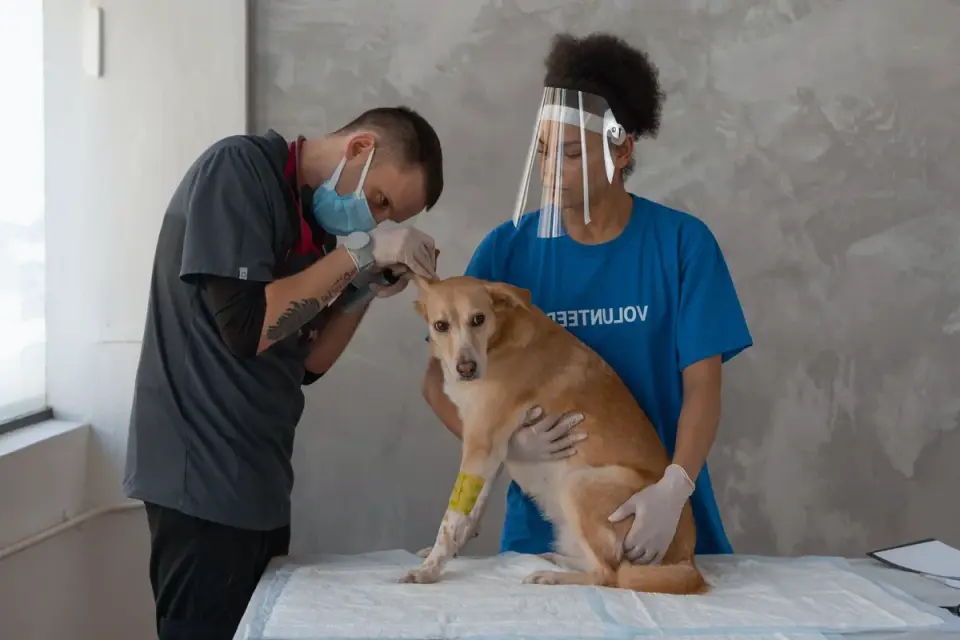
If the growling is frequent, is moving toward snapping, or happens with more than one family member, loop in your veterinarian first to rule out a medical cause, then a certified veterinary behaviorist or a trainer who uses reward-based methods for the behavioral side. Every dog is different, and a plan built around your dog’s specific triggers works far better than a generic script. Book the vet check first if pain is even a possibility — it is the fastest way to either rule it out or start treating it.
Frequently asked questions
Is it bad that my dog growled at me for petting him?
No. A growl is your dog's way of saying he needs space or that something hurts, and reacting calmly to it keeps that communication channel open rather than teaching him to skip the warning next time.
Should I punish my dog for growling?
No. Punishing a growl tends to suppress the warning signal without addressing the underlying discomfort, which can make the behavior harder to predict rather than safer.
When does growling during petting need a vet visit?
Any new, sudden, or increasingly frequent growling during handling is worth a veterinary exam to rule out pain, since dogs often mask discomfort until touch makes it unavoidable.
Sources
- Veterinary behaviorists: No role for aversive dog training practices — AVMA
- 12 Signs of Arthritis in Dogs — Dr. Buzby's ToeGrips
- Chamomile and stress-related evidence across species — Biomedicines
- Systematic review of ashwagandha and stress reduction — Cureus
- L-theanine and anxiety outcomes review — Molecular Psychiatry