On this page
The back door opens and paws hit the grass with purpose, straight for the soft edge along the fence where yesterday’s hole has doubled overnight. For many families that moment brings a mix of frustration and guilt, worry that the yard is ruined and worry that correcting the dog is ruining trust.
One household with an 18-month-old terrier mix had reached the point most families recognize, fresh craters along the fence line every morning and a dog who seemed both pleased and restless. The worry was not the lawn, it was whether scolding was making the behavior more frantic. They marked a four-by-four-foot corner near the patio where the soil already stayed loose, edged it with low boards, and filled it with play sand. Within three weeks the fence-line holes dropped from almost daily to one shallow scrape, and the dog began trotting to the pit unprompted when let outside.
That shift is the heart of this approach. Digging is normal canine behavior for comfort, cooling, caching, and sheer sensory joy, and handling references such as Merck describe these patterns as part of ordinary behavior rather than disobedience. The goal is not to suppress the need, but to support it in a place that works for everyone in the home.
Where does a digging pit fit best in a real yard?
Start with comfort and sightlines. Dogs often dig where soil is soft, cool, or socially interesting, near fences, under decks, or beside favorite resting spots. Rather than fighting that logic, borrow it. Choose a spot with partial shade, decent drainage, and enough distance from fences to discourage tunnel thinking, usually well inside the yard rather than right on the boundary.
Size matters less than clarity. A square about three to four feet across gives most medium dogs room to turn, paw, and settle without spraying sand everywhere. Low landscape timbers, a sandbox frame, or a shallow stock tank with the bottom removed can mark the edge. Keep the border low enough to step over easily, especially for puppies and stiff seniors, and check for sharp screws, treated wood splinters, or wobbly edges.
Think about what is underneath, too. Avoid areas with irrigation lines, buried cables, septic covers, or heavy pesticide use. If you are unsure what is below the surface, call 811 before you dig down, and keep the pit shallow enough that your dog is reshaping fill rather than excavating native soil.
That worry makes sense.
What should go inside the box?
Loose, clean fill protects paws and makes the right choice feel rewarding. Washed play sand is the most common pick because it stays soft, drains well, and is easy to sift. Some families mix sand with a little loose topsoil for texture, which can help dogs who like a cooler, more earthy feel.
Aim for eight to twelve inches of fill to start. That depth lets a dog scoop and nest without hitting hard clay or weed fabric, and it is easy to top off after rainy weeks. Avoid gravel, mulch with cocoa shells, or soil with fertilizer pellets, all of which can irritate paws or invite chewing. General pet-care guidance from groups like ASPCA also reminds owners to store garden chemicals well away from areas where dogs mouth and paw at the ground.
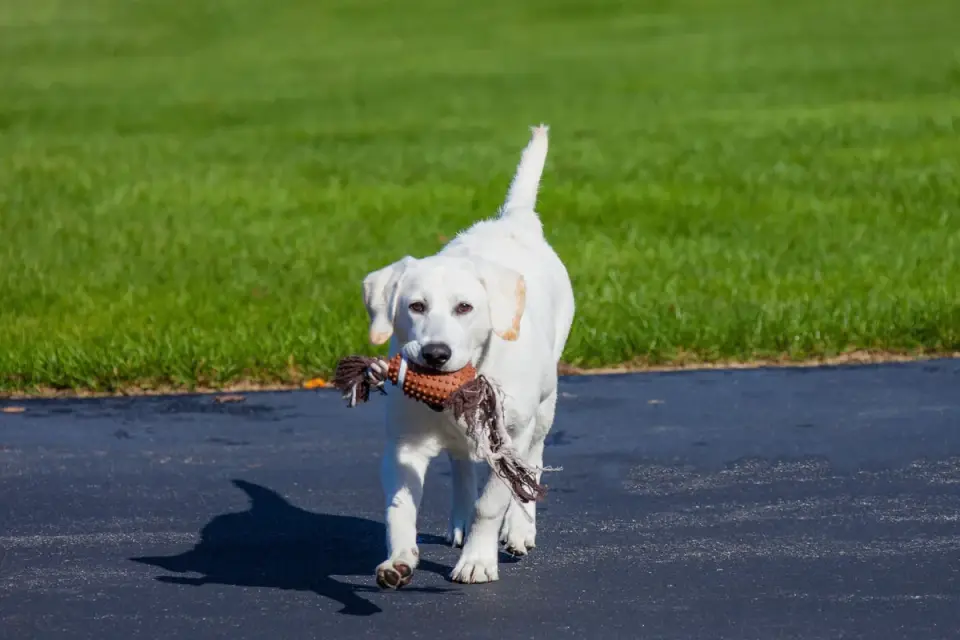
For households that need an indoor alternative during recovery or extreme weather, many of the same ideas carry over to food-dispensing toys vs. treat balls and other nose-first games, though individual dogs vary in what holds their attention.
How do you show your dog this is the right place to dig?
Dogs learn place by payoff, not by lecture. Bury a few sturdy toys or long-lasting chews just under the surface of the pit and let discovery do the teaching. When your dog paws in the pit, stay nearby, offer calm praise, and occasionally tuck another surprise in while they watch.
Living with a thick-coated, broad-chested adult dog who favored cool earth under the shrubs, one family tried loose soil piled without a border and scattered treats across the whole yard to distract him. For four mornings in a row he ignored the pile and reopened the same bed by the porch, and the loose pile migrated into the grass with every rain. Once they added a low timber edge, kept the sand slightly damp underneath, and buried only two toys inside the frame while picking up yard toys elsewhere, he began choosing the frame on his own.
Redirect, do not punish. If you catch fence-line digging, interrupt gently with a cheerful recall, lead to the pit, and invite digging there. Punishment after the fact rarely connects, and it can make anxious diggers more secretive. Short, supervised sessions work better than long unsupervised access while the habit is forming.
For dogs on restricted activity, pairing the pit with low-impact sniffing ideas from how to mentally tire a dog that can’t exercise may help support calm without extra running.
What if the roses still look better than the pit?
This is where a sceptical friend usually asks the fair question, why build a sandbox if the dog still wants the flower bed. The honest answer is that a digging zone is management plus enrichment, not a quick fix. Some dogs dig to cool off, some to bury high-value chews, some because the yard is quiet and the soil smells alive.
Cover the competing spots while you train. Temporary fencing, large planters, or chicken wire laid flat just under mulch can make old favorites less satisfying. At the same time, make the legal pit the most interesting texture in the yard by varying burial depth and rotating which toys appear there. Dogs who cache food may do better if special chews only appear in the pit, a principle that also shows up in comparisons like puzzle feeders vs. slow feeder bowls.
Watch for patterns that need a vet visit rather than more training. Sudden intense digging with restlessness, panting at night, or trouble settling can reflect discomfort, anxiety, or unmet medical needs. Vets often see restlessness ease when comfort, sleep, and daytime rhythm are addressed alongside behavior, and families deserve that broader check when the change feels abrupt.
When should you bend the usual digging-zone rules?
The standard sand box does not fit every body. Puppies mouth everything, seniors ache when they scramble, and determined escape artists treat any soft soil near a fence as an invitation.
Caring for a stiff, 72-pound senior retriever who loved to nest but slipped on loose sand, one family moved the pit twelve feet closer to the back steps into light shade, swapped deep sand for a firm mix of topsoil with a thin sand topper, and lowered one side of the frame to a two-inch lip. After ten days of guided visits after breakfast, he stopped attempting the sloped flower bed and began kneading and circling in the pit before naps, with less pacing afterward.
That kind of adjustment keeps quality of life at the center. For sore dogs, keep sessions short, offer a non-slip path to the pit, and skip digging on hot afternoons when sand holds heat. For puppies, supervise closely, keep buried items large enough to avoid swallowing, and pair digging with a predictable evening wind-down, as discussed in why won’t my dog calm down at night. Individual dogs vary widely, so let comfort and safety shape the details.
A practical next step is to start small this weekend, one edged square, one bag of washed play sand, and two buried toys. Invite, reward, and manage the old spots for a few weeks. You are not giving up on the yard. You are giving a normal behavior a kinder place to live.
For related context, read Food-Dispensing Toys vs. Treat Balls: Which One Actually Fits Your Dog.
For related context, read How to Mentally Tire a Dog That Can’t Exercise.
Frequently asked questions
How big should a dog digging zone be?
For most medium dogs, a square about 3 to 4 feet across with 8 to 12 inches of loose fill gives room to dig without taking over the yard. Adjust smaller for tiny breeds and seniors who need a low entry lip.
Sand or soil for a digging pit?
Washed play sand is the most common choice because it stays soft and drains well. A mix of sand with a little clean topsoil can suit dogs who prefer cooler, earthier texture. Avoid gravel, cocoa mulch, and fertilized soil.
How do I stop my dog digging everywhere else?
Make the pit rewarding with buried toys, supervise early sessions, and temporarily block old favorites with fencing or planters. Redirect calmly to the pit rather than punishing after the fact, and ask your vet about sudden behavior changes.
Sources
- Merck Veterinary Manual — Merck
- ASPCA Pet Care — ASPCA