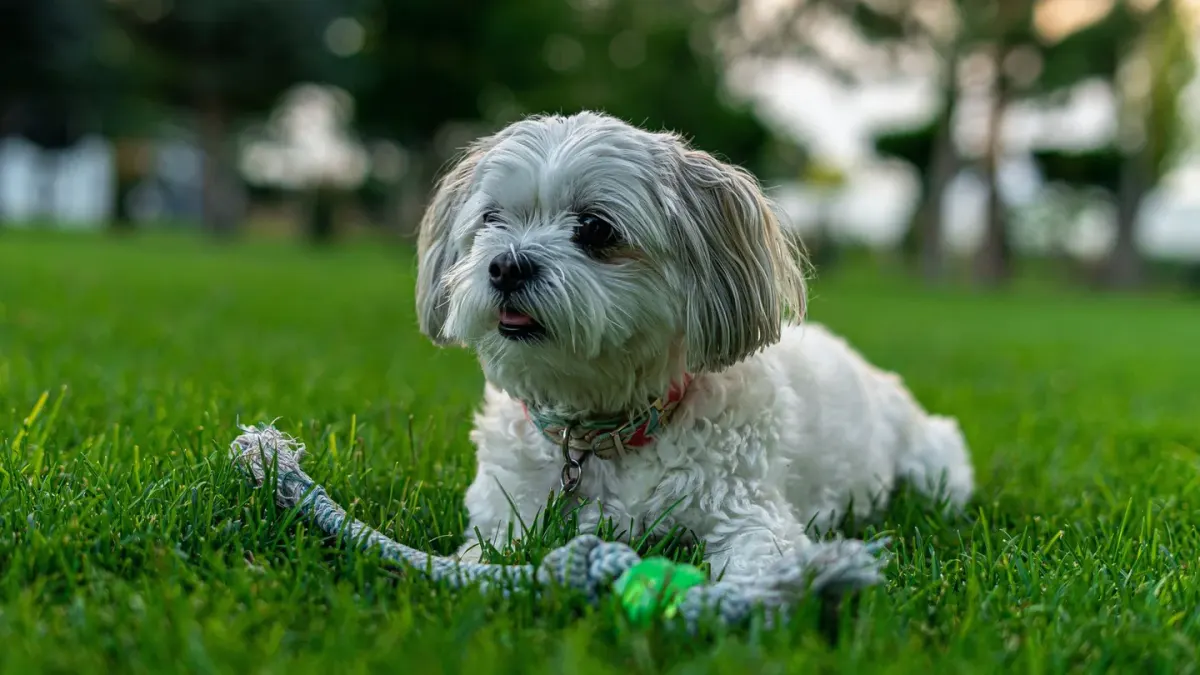
The rain is drumming the windows, the leash is still on its hook, and a nine-month-old terrier mix is pacing from door to couch with that tight, worried energy that makes families feel guilty for staying inside. The dog is not being bad. The body wants work and the brain wants a job, and comfort drops when neither gets one.
Start with the nose. Scatter five small treats in plain sight across one rug, point, and let the dog eat them. Repeat once. That single loop tells you what kind of rainy day you have.
A neighbor household with a six-year-old, 48-pound spaniel mix tried to solve the same restlessness the opposite way last spring. They stacked three puzzle toys back to back for almost 40 minutes, then added a long hallway fetch session when the whining continued. The dog panted through the evening, knocked a water bowl over at 7 p.m., and could not settle until after 10 p.m. Vets often see this pattern when mental load runs too high without rest. More stimulation had raised arousal instead of releasing it. The fix was not another round. It was fewer games, shorter turns, and a chew on a mat between them.
Let the house set the pace first
Lay a bath towel flat, sprinkle kibble from one meal across it, and roll it loosely. Set it down and let the dog unroll it with nose and paws.
Keep hands quiet. Keep voice low. End while the dog still wants more.
Watch comfort the way a hospice nurse watches breathing. Soft eyes, loose tail, easy sniffing means continue. Hard staring, grabbing, barking, or leaving the game means pause. Individual dogs vary widely, and a game that settles one dog can wire another.
Calm indoor play ideas from the American Kennel Club follow the same principle of short, supervised sessions matched to the dog.
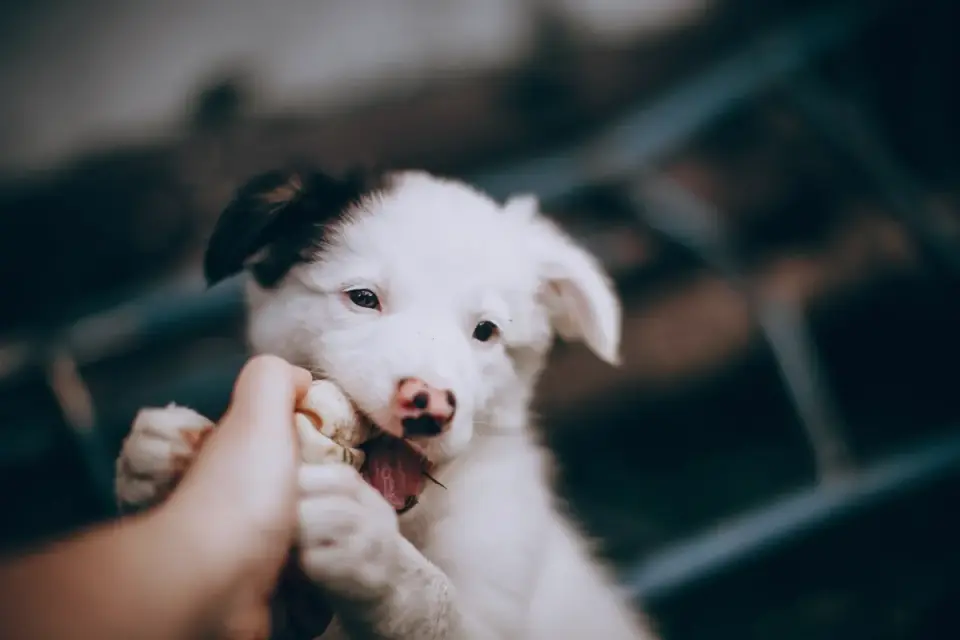
Trade the long hallway for five small hunts
Hallway fetch feels productive. It often builds speed without tiring thought.
Choose searching instead.
Put the dog behind a closed bathroom door. Place three treats around one room at nose height or lower. Open the door and say find it. When those three are easy, use two rooms. When two rooms are easy, add one cardboard box with the flaps folded open.
An older dog shows where this advice has to bend. A 13-year-old, 61-pound Labrador mix with stiff hips could no longer stand for a snuffle mat, and his family worried that skipping games would dull him. They moved the whole rainy-day plan onto a folded comforter, with six pea-sized treats tucked into the folds within paw reach so he could play lying down. He sniffed for about four minutes, sighed, and rested his chin. That pause mattered more than the find.
For dogs that need it slower, keep sessions to three to five minutes, then rest.
Teach one small skill between naps
Training tires the brain faster than repetition.
Pick one behavior the dog almost knows. Touch a palm with the nose. Step onto a bath mat. Rest a chin in an open hand. Reward three calm repetitions, then stop. Short and sweet protects comfort.
Puppies and seniors do best with one new twist per day. High-energy adolescents may handle two brief sessions, morning and late afternoon, with a long rest between. If evening restlessness rises, see Why Won’t My Dog Calm Down at Night? A Vet Explains the Real Triggers and shorten the last game rather than adding one.
Food games fit here too. A loose towel roll, a muffin tin with tennis balls laid over kibble, or a slow feeder with part of dinner can may help support steady licking and sniffing without a long learning curve. For choosing between them, Puzzle Feeders vs. Slow Feeder Bowls: What Each One Actually Fixes and Food-Dispensing Toys vs. Treat Balls: Which One Actually Fits Your Dog lay out which design suits which eater.
For dogs on restricted exercise, How to Mentally Tire a Dog That Can’t Exercise has pacing that also works well on wet days.
Keep the day gentle.
End with a chew, a stuffed Kong held in the paws, or quiet stroking on a bed. The goal is not exhaustion. The goal is a dog that sighs, shifts weight, and rests because the brain had enough kind work.
Frequently asked questions
How long should an indoor game last on a rainy day?
Three to five minutes of sniffing or training, then rest. Watch for loose body language and easy breathing, and stop while your dog still wants more.
What if my dog gets wilder after indoor play?
Shorten the session and remove chase or long throws. Try one towel roll or three finds, then a chew on a mat. If panting or barking rises, rest is the next step.
Are food puzzles okay every rainy day?
Often yes, when they are easy and supervised. Use part of a meal rather than extra treats, choose a loose roll or open box for beginners, and check with your own vet if your dog guards food or has a medical diet.
Sources
- Indoor Play and Training Guidance — American Kennel Club