
On this page
Leaving for a half-day stretch can feel long for both of you. Your dog wants comfort and something to do, and you want to come home to a calm house and a dog who rested well. Four hours is manageable for many adult dogs with the right setup, and the goal is steady comfort rather than constant entertainment.
Maya, a neighbor, described her 4-year-old 52-pound pit mix pacing by the front window each time she picked up her keys. She worked a morning shift, gone about four hours, and returned to scratched trim and an untouched puzzle toy. Three weeks in, she added a short sniff walk before work, a frozen food toy in the same corner bed, and soft background sound. By day 18 the pacing loop shortened, and the dog was found asleep on the bed when she returned. The change was in routine and comfort, not in buying more toys.
Set the room for rest first
Choose one small, dog-proofed area. Close bedroom doors, lift cords and shoes, and leave water in a heavy bowl. Set a bed in a quiet corner away from the front window if street noise raises arousal.
Lay out texture for comfort. A washed blanket, a chew-safe bed, and a worn T-shirt can help maintain a familiar scent. Keep light low and steady.
Leave on low, even sound. A fan or quiet radio masks hallway noise. Test volume while you are home first.
Watch for worry signs during practice sessions. Lip licking, yawning, whining, pacing, or refusal to eat may mean the dog needs a shorter absence and veterinary or behavior guidance, as described by the ASPCA. Individual dogs vary widely in temperament, so adjust the plan to the dog in front of you.
Build a four-hour rhythm that winds down
Start with movement before you go. Take a 15 to 20 minute sniff walk and allow bathroom time. Let the dog sniff and choose the pace.
Offer food enrichment early in the absence. Freeze a portion of breakfast in a rubber food dispenser, or scatter kibble in a snuffle mat for five minutes of searching. For ideas on matching the toy to your dog, see Food-Dispensing Toys vs. Treat Balls: Which One Actually Fits Your Dog.
Then shift toward rest. Leave one safe chew, such as a large rubber chew or a digestible dental chew sized for the dog, and remove hard bones, small pieces, and toys with squeakers or stuffing. Learn more in Puzzle Feeders vs. Slow Feeder Bowls: What Each One Actually Fixes.
Keep departures plain. Give the food toy, pick up your keys, and step out without a long farewell.
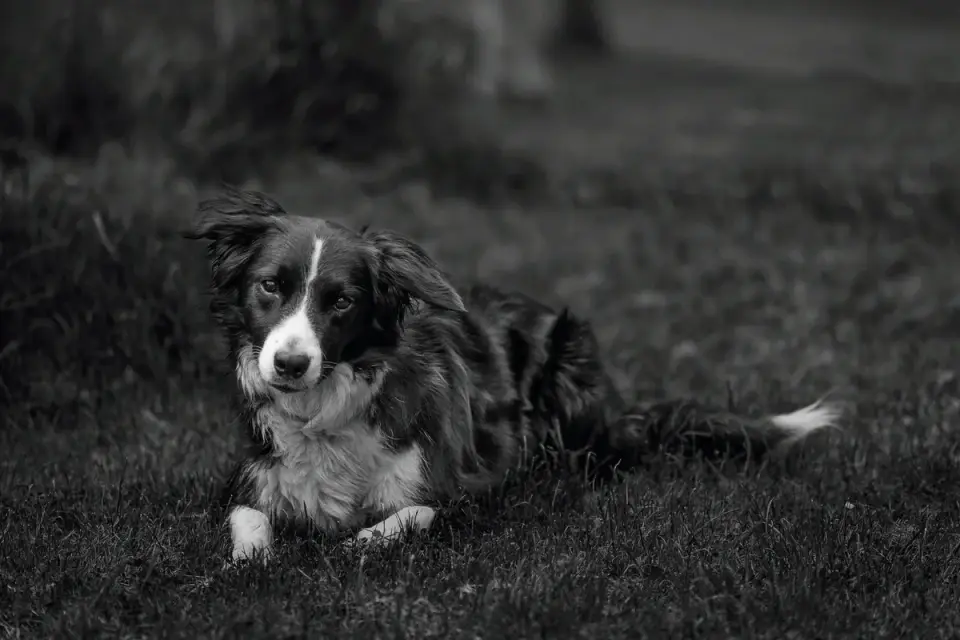
A friend tried the opposite with her 2-year-old 38-pound beagle mix, stacking three new puzzles back to back for a four-hour absence. The dog solved the first, chewed the second into plastic shards, and ignored the third while barking at the window. By day 10 the owner found tooth marks on the windowsill and a dog still wired at return. The tradeoff was clear when she cut back to one frozen feeder followed by rest, with a mid-morning check from a neighbor. Less novelty lowered arousal, and the dog began to settle after eating instead of hunting for the next payoff.
Choose only alone-time-safe enrichment
Supervise all new toys first. Watch for chewing off chunks, frantic pawing, or guarding, then keep only the calm, durable options for time alone.
Follow this simple filter. Soft fabric toys stay for cuddling only if the dog does not shred. Food toys should be large, one-piece, and easy to lick rather than crush. No rope strands, latex pieces, or small balls when no one is watching.
Rotate mildly. Keep two or three proven options and swap one every few days. Too much novelty can keep some dogs alert instead of sleepy.
If exercise is limited by age, weather, or recovery, short nose games before work can help maintain mental engagement without overexertion, as outlined in How to Mentally Tire a Dog That Can’t Exercise. General pet-care guidance from the AVMA also reminds owners to match activity to the individual dog and to ask their own veterinarian about health concerns.
What I recommend, and what I would skip
My position is comfort-first with one food task, then protected rest. Most dogs do better with a predictable sequence than with a basket of puzzles, because calm chewing and sniffing may help support settling while constant problem-solving keeps the brain lit.
The strongest counterargument is that smart, high-energy dogs need more challenge during four hours. That can be true, and under-stimulation can leave a dog restless. Still, challenge fits better when you are home to supervise, while alone time favors safety and lower arousal.
Skip all-day puzzle marathons, stuffed toys alone, and recorded voices on loop. If evenings stay restless after better days, review triggers in Why Won’t My Dog Calm Down at Night? A Vet Explains the Real Triggers.
An edge case shaped this view. A 9-year-old 24-pound senior terrier slept soundly for three hours but woke stiff and vocal in hour four, not from boredom but from needing a bathroom break and a softer heated bed. At six weeks in, the family added a potty pad option, moved the bed away from a draft, and shortened the stretch with a brief neighbor visit. The barking faded once comfort, not enrichment, was fixed. For aging dogs, quality of life often turns on joint comfort, warmth, and predictable access to relief.
Practice in steps. Start with 30 minutes, then one hour, then two, using the same sequence. Use a camera for two or three sessions to see when your dog eats, chews, and sleeps.
Talk with your veterinarian if panting, drooling, escape attempts, or loss of housetraining appear. Those signs point past boredom toward distress or a medical issue, and they deserve direct care.
A short recap: walk and sniff, feed once through a safe licking task, leave one chew and a resting place, and keep the room quiet and familiar. Four hours then becomes a rhythm your dog can trust.
Frequently asked questions
Is four hours alone too long for a dog?
Many healthy adult dogs rest through four hours with a bathroom break before, water, and a safe resting area. Puppies, seniors, and dogs with separation distress or medical needs often need a shorter stretch or a mid-visit. Watch eating, resting, and greeting behavior on camera and ask your veterinarian for guidance.
Should I leave several puzzles for four hours?
Leave one proven food task, then favor rest. Multiple new puzzles can raise arousal and add chewing risk when no one is watching. Save harder or novel puzzles for supervised time.
What is safest to leave with a dog alone?
A familiar bed, water, low background sound, and one large, durable licking or food-dispensing item you have supervised before. Remove small toys, squeakers, stuffing, shreddable fabric, hard bones, and anything that breaks into pieces.
Sources
- Separation Anxiety in Dogs — ASPCA
- Pet Owner Resources — AVMA