On this page
The shortest honest answer is that cuteness is anatomy, and anatomy sets daily care. Large eyes, round heads, short muzzles, short legs, and long fluffy coats look appealing because they resemble juvenile features, but each feature changes how a dog breathes, sees, moves, stays cool, or needs handling.
Cuteness is anatomy.
That mechanism matters more than preference lists. A very short muzzle shortens the airway and crowds teeth and skin folds. A very round skull with prominent eyes leaves less bony protection and less lid coverage. Continuously growing hair mats without routine removal. High-energy herding and sporting behavior does not disappear because a puppy face looks calm in a photo. My recommendation is consistent: choose the care baseline you can sustain for 12 to 15 years, then choose the cute look inside that group. Individual dogs vary widely, so use breed patterns as a starting point and confirm with your own vet.
Why Baby Faces Change Breathing and Eyes
Short muzzles compress functional structures into less space. Narrowed nostrils, an elongated soft palate, and extra tissue in the throat raise airway resistance and reduce heat tolerance. VCA Animal Hospitals describes how these combined differences can produce noisy breathing, snoring, exercise intolerance, and heat stress in flat-faced dogs, with severity varying by dog.
Eyes follow the same trade-off. A shallow orbit plus a large eyelid opening may help support a wide-eyed look, but it may also leave the cornea more exposed to drying and injury. Loose facial skin and lid conformation can allow the lid to roll inward. The Merck Veterinary Manual explains that inward lid rolling allows hair to rub the cornea, which can cause tearing, squinting, and ulceration without correction.
In practice, Vets often see owners surprised by maintenance rather than by diagnosis. Jorge in San Antonio adopted Sherlock, a 5-year-old neutered male Chihuahua, partly for his round apple head and large eyes. The observable change was morning tearing and blinking in wind, weighed against daily eye wiping versus a lid evaluation. A consistent 10-minute morning routine for face cleaning, harness walks instead of collar pressure on the trachea, and shaded walks under 20 minutes in summer heat kept Sherlock comfortable.
Small and Round Compared With Sturdy and Longer-Muzzled
Small round breeds photograph well in apartments, yet small does not mean low-need.
What flat, wrinkled faces ask for
French Bulldogs, Pugs, Shih Tzus, and Pekingese often have loyal, clownish temperaments that families love. Their care baseline includes weight control, heat precautions, snore-level monitoring during sleep and play, dental crowding checks, and skin-fold cleaning. Owners who want long summer hikes or live without air conditioning will feel that mismatch quickly.
What longer-muzzled cute breeds ask for
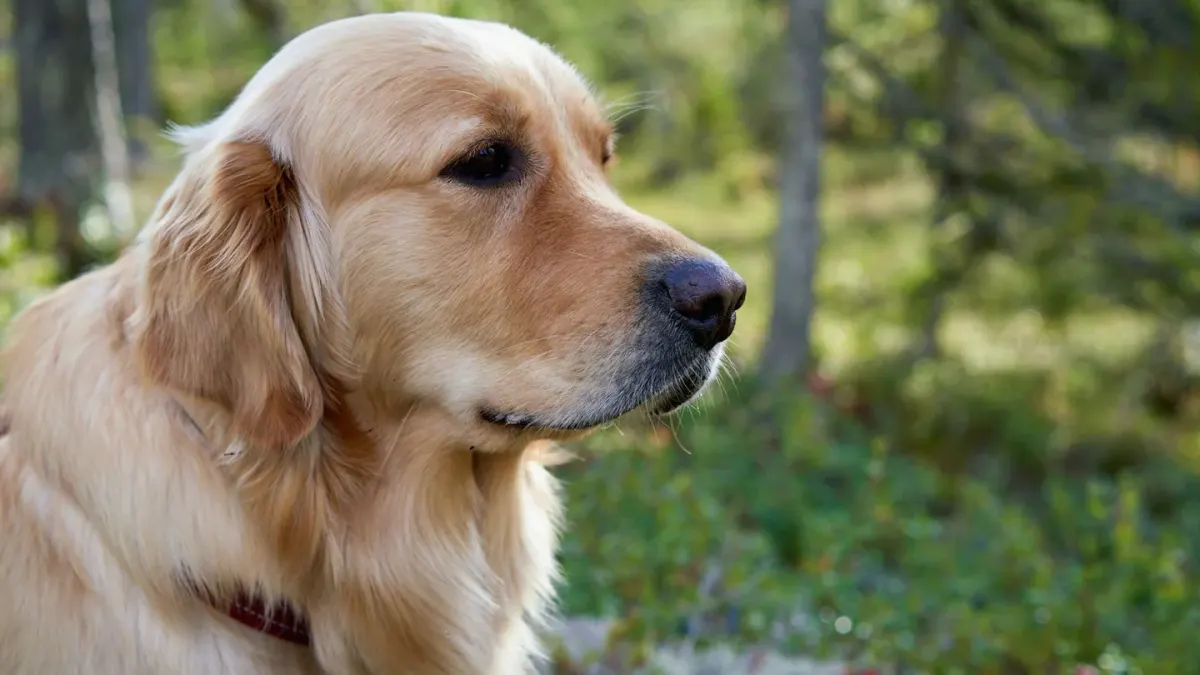
Golden Retrievers, Labrador Retrievers, Cocker Spaniels, and Cavalier King Charles Spaniels keep a softer expression with generally more open airways. The American Kennel Club notes the Labrador’s friendly, active temperament and need for regular exercise and training, which is a useful proxy for this group: social, trainable, and hungry for activity. Expect shedding, ear care after swimming, and a real exercise budget of an hour or more for many young adults. For apartment limits, compare space and noise expectations in Best Dog Breeds for Apartment Living.
Fluff Compared With Wash-and-Go Coats
Fluff is hair growth, not magic. Pomeranians, Samoyeds, Goldendoodles, Old English Sheepdogs, and Keeshonds keep growing coats that tangle at the undercoat first. Without combing to the skin every few days plus professional grooming every 4 to 8 weeks, mats tighten and may help support skin irritation underneath.
Short-coated cute breeds such as Beagles, Boxers, and French Bulldogs shed and still need nail, ear, and dental care, but they rarely mat. Owners choosing doodle coats for allergy reasons should read Do Doodles Really Not Shed? A Vet’s Guide to Goldendoodle Coats before assuming less vacuuming means less grooming. Pick the coat you will actually brush.
Playful Looks Compared With Playful Behavior
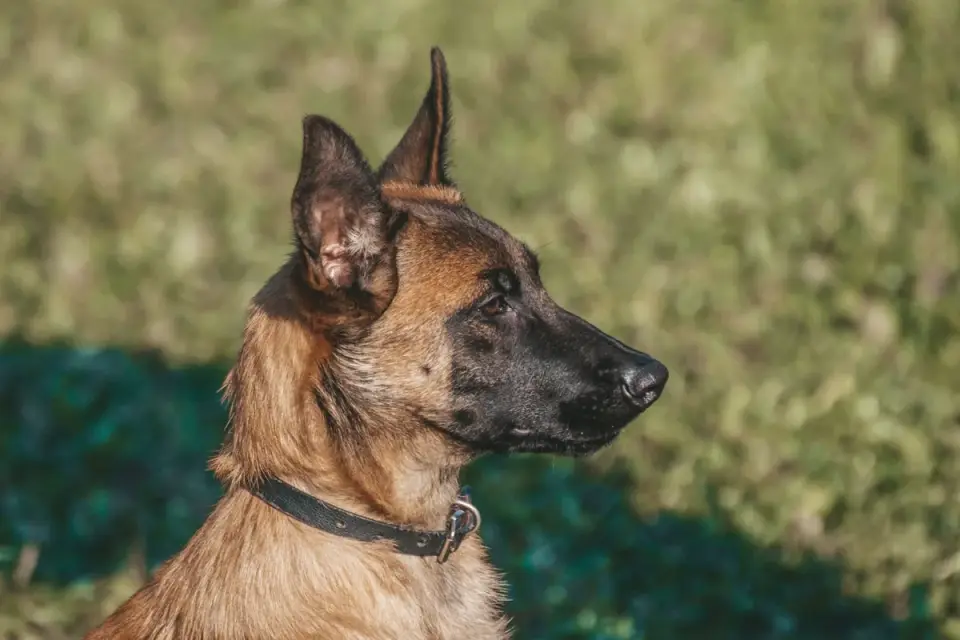
Some of the cutest breeds were selected to work all day. Australian Shepherds, Border Collies, Siberian Huskies, Jack Russell Terriers, and English Springer Spaniels learn fast and need a job, social access, and vigorous exercise. A calm puppy photo does not predict a calm adolescent.
When energy is the real decision
If you work long hours, have limited off-leash access, or want a mostly couch-based companion, a high-drive puppy is a poor match even when the litter is adorable. Sustained fetching, scent games, training sessions, and hiking may help support stable behavior in these breeds. Review work and exercise trade-offs in Which High-Energy Dog Breeds Need a Job to Stay Happy?. Behavior reflects training, enrichment, age, and health, and individual dogs vary.
How I Help Owners Match Cute to Real Life
I counsel expectation first. List your non-negotiables: hours alone, stairs, heat, grooming budget, shedding tolerance, noise tolerance, experience with training, and plans for children or other pets. Then screen three cute finalists against breathing risk, eye and skin care, coat time, exercise minutes, and trainability.
I would change this care-first position if large, controlled studies showed that extreme baby-like anatomy no longer predicted higher rates of airway, eye, dental, or skin intervention after accounting for body size and weight. Current anatomy, clinical guidelines, and practice patterns do not show that. Until that evidence exists, I reject choosing on photos alone.
Prevention starts with structure and function. Keep lean body condition to reduce airway and joint load. Use low-stress handling for face, feet, and ears from puppyhood. Schedule preventive visits to review breathing sounds, lid fit, teeth, skin, and behavior baseline. Those small steps may help support comfort and make problems visible earlier, when timelines are shorter.
The Fit Most Families Sustain
If you want cute plus manageable care, many families do best with a moderately sized, longer-muzzled, trainable breed with a coat they will maintain. Golden and Labrador Retrievers, well-bred Cavaliers and Cocker Spaniels matched to exercise time, and short-coated companion mixes often fit that center. If your heart is set on a flat face or floor-length fluff, plan explicitly for heat limits, veterinary dental and airway monitoring, and professional grooming costs.
Choose the daily routine first. The right cute dog is the one whose breathing, eyes, coat, and behavior needs still look lovable on a busy Tuesday.
Frequently asked questions
Are the cutest dog breeds healthy?
Some are, and some carry higher odds of breathing, eye, dental, or skin issues because of the same features people find cute. Ask your vet about airway, lid fit, and grooming needs for any finalist, and remember individual dogs vary.
Which cute breed is easiest for beginners?
Beginners often sustain a friendly, trainable, longer-muzzled breed with a simple coat and one hour for exercise and training. High-energy working breeds and intensely flat-faced or heavily coated breeds usually need more time, money, and experience.
Sources
- Labrador Retriever Dog Breed Information — American Kennel Club
- Brachycephalic Airway Syndrome in Dogs — VCA Animal Hospitals