Why do some breeds seem to need more than exercise?
A tired dog and a satisfied dog aren’t always the same dog. Breeds built for herding, retrieving, guarding, or pulling were selected over many generations for a specific working sequence — read the situation, make a decision, act, repeat. A 2019 genomic analysis of more than 17,000 dogs across 101 breeds, published on bioRxiv, found that breed differences in behavior traits like trainability, energy, and predatory chasing are highly heritable and map cleanly onto genetic lineage. In plain terms: the drive to work isn’t a personality quirk you can train away, it’s closer to a factory setting.
That matters for how you read “high energy.” A dog can be physically gassed from a five-mile run and still pace the hallway at 9 p.m. because nothing today asked it to think. Many high energy dog breeds need a working task, not just a walk, to feel calm at home.
Which breed groups tend to fit this pattern?
The American Kennel Club sorts breeds into functional groups, and three show up again and again in “needs a job” conversations:
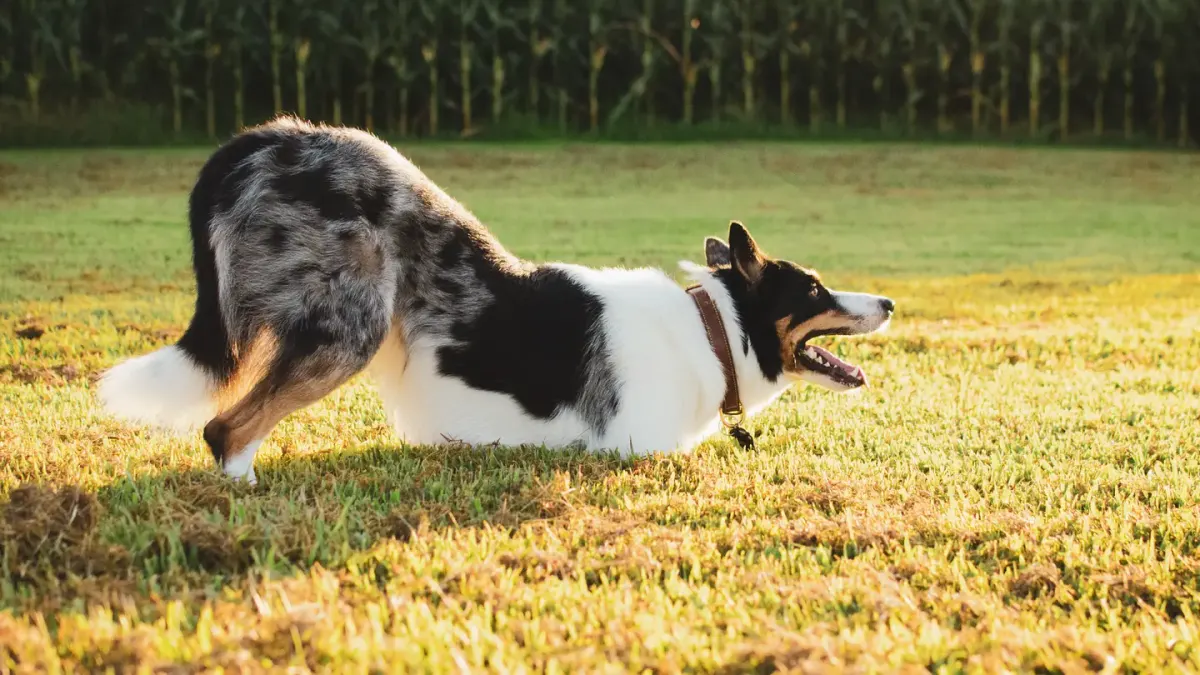
- Herding group — Border Collies, Australian Shepherds, Corgis, Belgian Malinois. Bred to gather and control livestock movement; the instinct shows up at home as nipping at heels, circling children, or fixating on moving objects like bikes and cars.
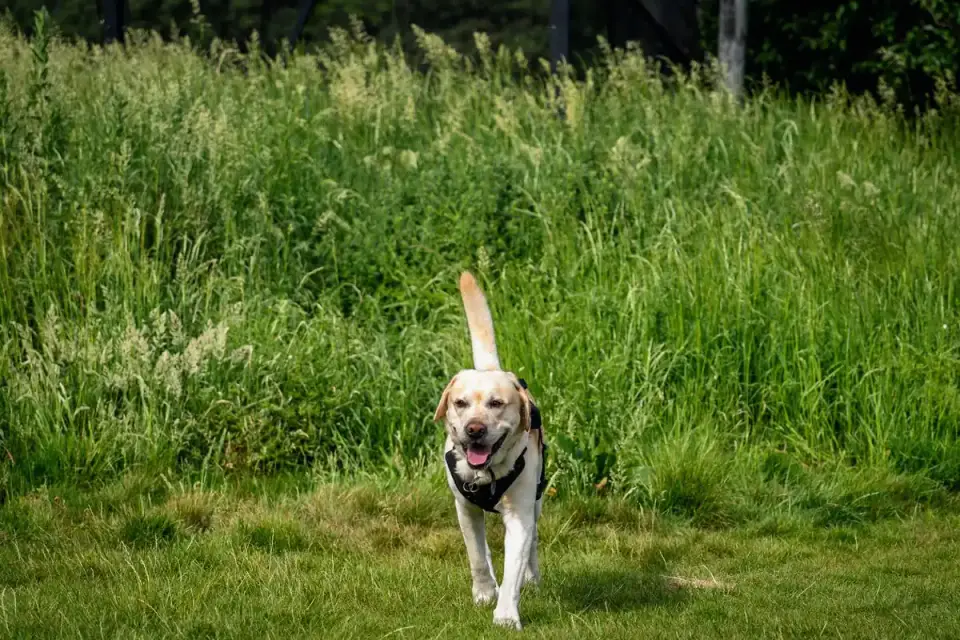
- Sporting group — Labrador and Golden Retrievers, English Springer Spaniels, Vizslas, German Shorthaired Pointers. Developed to work in close partnership with a hunter, locating and retrieving game across hours in the field.
- Working group — Siberian Huskies, Rottweilers, Doberman Pinschers, Alaskan Malamutes. A broad category covering sled-pulling, guarding, and water rescue lines, generally with high physical stamina and a strong drive to have a purpose.
Sighthounds like Greyhounds are a useful counterexample worth naming here. They’re genuinely fast, but many were bred to sprint in short bursts rather than sustain hours of cooperative decision-making, so a fenced yard and a couch afterward often suits them better than a full-time “job.”
What does “giving a dog a job” actually look like day to day?
It doesn’t require livestock or a hunting license. A job, in the household sense, is any structured activity with a start, a task, and an end.
Scent work is one of the most accessible options: hiding treats or a scented object around a room and letting the dog search on cue taps into a herding or sporting dog’s problem-solving drive in about ten minutes. Treat-dispensing puzzle feeders serve a similar function at mealtime. For dogs with strong retrieve or pull instincts, structured fetch with a firm “drop” cue, flirt-pole sessions, or properly fitted weight-pull equipment can channel that drive safely. Herding-specific options exist too — treibball, where a dog pushes large exercise balls into a goal, was designed as a herding outlet for dogs without access to livestock.
Short version: pick something that ends with the dog making a choice, not just moving its legs.
How do you tell a real energy-outlet problem from something medical?
Here’s the honest caveat. According to the Merck Veterinary Manual, destructive chewing, digging, and excessive barking are common in dogs left without adequate outlets for exploratory behavior, and they often ease with more exercise, training, and enrichment. But behavior change that’s sudden, escalating, or paired with other symptoms — appetite shifts, lethargy, changes in house-training — deserves a veterinary visit before you assume it’s boredom. Pain, thyroid changes, and anxiety disorders can all mimic an under-exercised dog.
Does this mean low-drive breeds never need enrichment?
No — every dog benefits from mental stimulation, and every high-drive breed has individual variation. A Border Collie from working lines and one bred primarily for the show ring can have meaningfully different intensity levels, and a rescue dog’s early environment shapes behavior too. Treat breed group as a starting hypothesis about what a dog might need, then adjust based on the actual animal in front of you, not the label on its paperwork.
The bottom line
If your dog is physically tired but still restless, anxious, or getting into things, the missing piece is often mental work, not more mileage. Start with ten minutes of a structured task daily, watch how your dog responds over one to two weeks, and loop in your veterinarian if destructive or anxious behavior doesn’t ease or seems to be getting worse.
Frequently asked questions
Is a long daily walk enough for a high-drive breed?
Usually not on its own. A walk covers cardiovascular exercise, but breeds developed for herding, retrieving, or guarding also evolved to make repeated decisions under mild pressure. Pairing the walk with 10–15 minutes of a scent, obedience, or herding-style game tends to produce a more settled dog than mileage alone, according to the American Kennel Club's breed-group descriptions.
What counts as a 'job' for a dog that isn't actually herding livestock?
Any activity that asks the dog to problem-solve toward a goal: nose-work searches, treat-dispensing puzzles, structured fetch with a 'drop' cue, weight-pull with a properly fitted harness, or agility-style obstacle sequences. The common thread is a clear task with a start and an end, not open-ended free play.
Can I tell if my dog's behavior problems are an energy-outlet issue?
Destructive chewing, digging, or repetitive barking that clusters around the hours before you get home or right after a skipped walk is a common pattern in under-stimulated dogs, per the Merck Veterinary Manual. That said, sudden or worsening behavior change should always be discussed with your veterinarian first to rule out a medical cause.
Sources
- Herding Group — American Kennel Club
- Highly heritable and functionally relevant breed differences in dog behavior — bioRxiv
- Behavior Problems in Dogs — Merck Veterinary Manual