If you want a dog who chooses the same couch cushion you do, set the expectation first: clinginess is often companionship that was carefully bred in, not a behavior flaw to fix later.
Quick checklist before you pick a shadow breed:
- Want physical contact most of the day, not just evening cuddles
- Someone is home most hours, or you can build alone-time training into the routine
- You can meet exercise plus mental work, because bored velcro dogs get louder and more destructive
- You are comfortable teaching calm settling rather than rewarding every follow, paw, and whine
- Household agrees on boundaries for bedroom, bathroom, and doorway shadowing
If you checked most of those, a velcro-type breed may fit. If not, a more independent breed will be kinder to both of you.
Why some breeds stick closer than others
Many of the closest-following breeds were selected to work beside people all day — lap companions, toy companions, herders, and gun dogs that watched for the next cue. The American Kennel Club describes these velcro dogs as breeds bred to stay near owners for work or companionship, which helps explain why following you room to room feels like the job to them.
That history does not guarantee temperament. Individual dogs vary widely, and early socialization, exercise, and household routine shape adult behavior as much as pedigree. Use breed tendency as a starting baseline, then meet the individual dog.
Breeds owners most often describe as velcro
Labrador Retriever and Golden Retriever. Bred for close cooperation with handlers, both often lean, nudge, and settle foot-to-foot. They tend to do best with daily retrieves, sniff walks, and training games that give that attentiveness somewhere to go.
Cavalier King Charles Spaniel. A classic lap companion that prefers laps to empty rooms. Owners choosing between similar spaniels often weigh coat, size, and energy; this comparison of Cavalier King Charles Spaniel vs Cocker Spaniel: How I Actually Help Owners Choose walks through that day-to-day choice.
Pug and French Bulldog. Small, people-centered companions that were developed primarily for company. They suit closer living quarters well, though heat sensitivity, breathing, weight, and skin folds need preventive attention. If space is tight, pair this list with Best Dog Breeds for Apartment Living to match clinginess to noise, size, and exercise limits.
Border Collie and Australian Shepherd. Herding breeds that track people with intense focus. That focus can look like devotion, and it needs a job. Without structured work, training, and rest cues, shadowing can tip into herding feet, staring, or pacing. Owners debating these two can review Border Collie vs Australian Shepherd: The Differences That Actually Change Your Day before deciding.
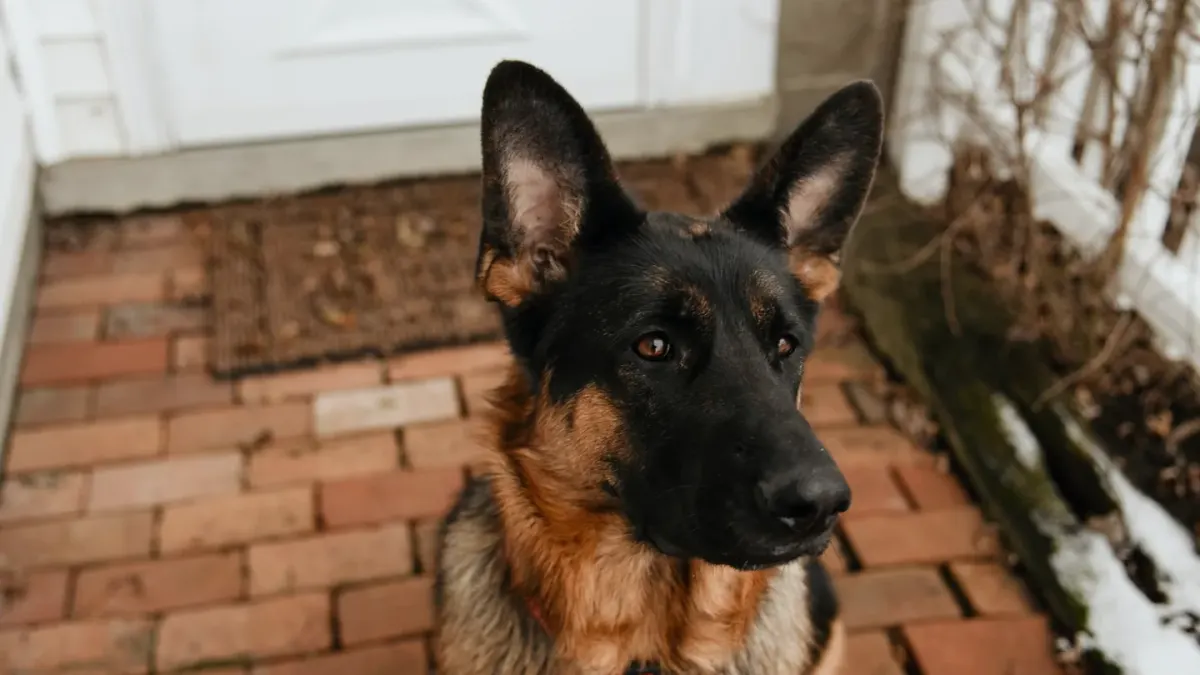
German Shepherd Dog. Loyal, handler-oriented, and prone to patrolling the house with you. Early training for calm greetings, loose-leash walking, and relaxed alone time may help support steady adult behavior.
Vizsla and Italian Greyhound. Often called quintessential shadows. Vizslas want active togetherness — running, hiking, and training — while Italian Greyhounds want warm, quiet togetherness under the same blanket.
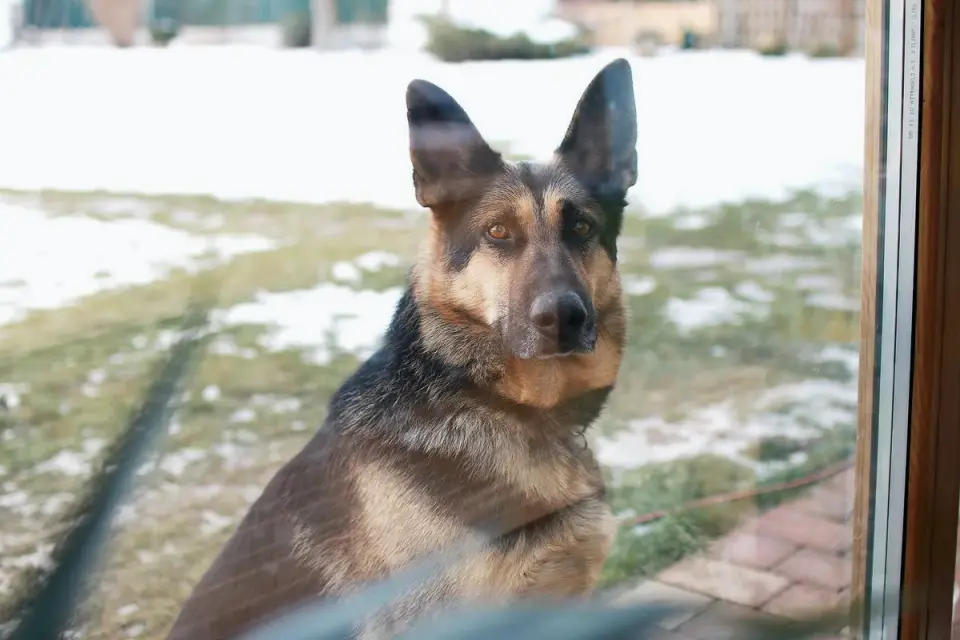
Closeness is wonderful until the front door closes.
When clingy turns stressful
Wanting contact is normal. Panic when left alone is different. Dogs with separation-related distress may vocalize, drool, pant, pace, have house-soiling despite housetraining, or injure themselves trying to escape, and signs usually cluster around departures and arrivals.
VCA Animal Hospitals notes that separation anxiety is a common behavioral concern where dogs show distress specifically when separated from familiar people, not simply during general fearful situations. The Merck Veterinary Manual similarly frames persistent departure-linked distress as a behavior condition worth diagnosing carefully, because confinement frustration, noise fear, boredom, and medical causes can look similar.
Vets often see trouble start during schedule changes — return to office, new school hours, or a move — when a dog that never practiced being alone suddenly practices it for eight hours. Build independence early.
A preventive baseline that helps many shadow breeds:
- Practice brief, boring absences many times per day, from seconds to minutes, with a calm return
- Teach a settle on mat with chewing or licking enrichment, then add distance and duration
- Keep departures and arrivals low-key and keep exercise, feeding, and bedtime predictable
- Avoid punishment for whining or destruction; it raises arousal without teaching calm
- Ask your own vet promptly if distress escalates, since behavior plans and medical checks work best together
High-drive shadow breeds also need an off switch. Owners surprised by evening restlessness often find help in Which High-Energy Dog Breeds Need a Job to Stay Happy? to channel herding and sporting energy before asking for quiet.
How to choose your level of shadow
Be decisive about one priority: pick the amount of togetherness your household can sustain on a tired Tuesday, not a vacation Saturday. A Cavalier or Pug may help support a cuddle-first home with moderate exercise. A Vizsla, Border Collie, or German Shepherd asks for training time, space, and purpose in exchange for that devotion.
Concede this plainly: independent breeds win for long solo days and owners who want affection on request rather than constant contact. Velcro stops winning when no one is home to be the center of the dog’s day.
Meet the parents when possible, ask how puppies recover after brief separations, and choose a breeder or shelter that rewards calm settling. Then keep that prevention going — the closest dogs stay happiest when closeness includes confidence alone.
Frequently asked questions
Are clingy dog breeds more likely to get separation anxiety?
Breed tendency toward close bonding may raise the risk of distress when left alone, but separation anxiety is diagnosed from behavior around departures, not from cuddliness alone. Early alone-time training and a vet check for sudden changes matter more than breed label.
How do I teach a velcro dog to be alone without stress?
Build duration gradually with short, calm absences, a settle spot, and food-based enrichment. Keep exercise and routine predictable, keep greetings quiet, and ask your vet for a behavior plan if panting, escape attempts, or house-soiling persist.
Which clingy breed is best for apartments?
Smaller companion breeds like Cavalier King Charles Spaniels, Pugs, and French Bulldogs often adapt well to smaller spaces if noise, heat sensitivity, and daily exercise needs fit your building. Herding and large sporting shadows usually need more space and work.
Sources
- Separation Anxiety in Dogs — VCA Animal Hospitals