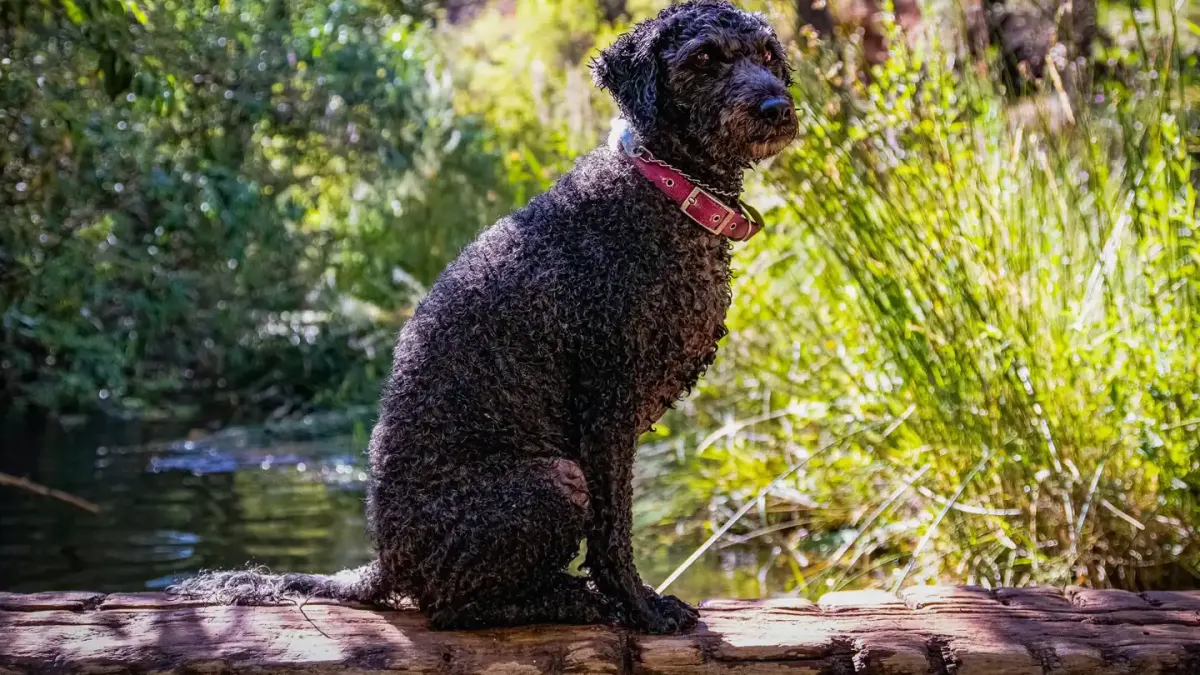
Mexico’s native dogs are not novelties. They are ancient workers, hunters, and household companions shaped by climate, culture, and function, and they still fit best when matched to a real home and routine.
The best-known is the Xoloitzcuintli, a hairless breed with more than 3,000 years of history in Mexico. The American Kennel Club describes three sizes — toy, miniature, and standard — all with a calm, watchful temperament, strong bonding to family, and skin that needs sun and cold protection rather than coat brushing. I do not consider the Xolo a cardiac therapy dog, and there is no trial supporting that use; what I do watch for in practice is general structure and skin health, plus dental crowding in the hairless variety.
The Chihuahua descends from Techichi-type companion dogs of Toltec and Aztec households. VCA Animal Hospitals notes the breed’s long lifespan, large-for-size heart and tracheal sensitivity, and dental crowding — patterns I see on echocardiography and auscultation rather than diagnose by breed alone. For owners in smaller homes, our guide to Best Dog Breeds for Apartment Living puts that size advantage in context: less space, but still a need for training and dental care.
The Calupoh, or Mexican wolfdog, is a newer reconstructed breed from wolf-dog crosses intended to reflect pre-Hispanic types. It is large, athletic, and reserved with strangers, and it needs space, consistent training, and a job. If you want that energy profile, compare notes in Which High-Energy Dog Breeds Need a Job to Stay Happy?.
Two other Mexican types appear in daily life but lack the same international recognition: the Chamuco, often called the Mexican pit bull-type dog, a muscular, loyal companion developed for strength; and the Campeche or other regional hairless and village dogs still kept as watchdogs and companions. Individual dogs vary widely, so meet the parents, ask about socialization, and choose for temperament, not legend.
What unites Mexico’s native breeds
Heat tolerance, close human bonding, and alert watchdog behavior run through the group. Xolos and Chihuahuas were household and ceremonial dogs; Calupohs and village types were guardians and versatile workers. None was bred to be handled like a toy or left unexercised.
How to choose for your home
Start with size and exercise, not appearance. A Chihuahua can thrive in an apartment with daily walks, training for barking, and careful dental and weight management. A standard Xolo needs more exercise, early socialization, and skin care — sunscreen guidance from your vet, coats in winter, and regular baths. A Calupoh needs a house with a secure yard, extensive socialization, and experience with large, independent breeds.
Coat and allergy questions come up often with hairless breeds. Hairless does not mean allergen-free — dander and saliva still trigger symptoms. Our review of Best Hypoallergenic Dog Breeds for Allergy Sufferers explains what actually predicts success.
Care trade-offs to plan for
Dental care matters for Xolos, which may have incomplete dentition, and for Chihuahuas, which crowd teeth into small jaws. Plan for daily brushing and veterinary dental checks. Skin care matters for hairless Xolos: gentle bathing, moisturizer only if your vet recommends it, and protection from sunburn and cold. Training matters for all three: Chihuahuas bark and guard without boundaries; Xolos are aloof without socialization; Calupohs are too much dog for first-time owners without mentorship.
Ask your own vet about patellar luxation, tracheal sensitivity, and heart murmurs if you are considering a Chihuahua, and about orthopedic screening and temperament testing if you are considering a Calupoh. I trust breed-club health surveys and peer-reviewed cardiac data over anecdote, and I hedge the rest — breed risk is not a diagnosis.
Understood this way — as working and companion dogs with specific needs — Mexico’s breeds make excellent, loyal partners in the right homes.
Frequently asked questions
How many native Mexican dog breeds are there?
Three are widely recognized — Xoloitzcuintli, Chihuahua, and Calupoh — plus regional types like the Chamuco that are still developing toward full recognition.
Are Xoloitzcuintlis good family dogs?
Often yes for calm, routine-oriented homes. They bond closely, are naturally watchful, and do best with early socialization, daily exercise, and skin protection.
Are Mexican hairless dogs hypoallergenic?
No dog is fully hypoallergenic. Hairless Xolos shed less hair but still produce dander and saliva, so allergy-prone families should spend time with the breed and talk to their allergist.
Sources
- Xoloitzcuintli Dog Breed Information — American Kennel Club
- Chihuahua Breed Information — VCA Animal Hospitals