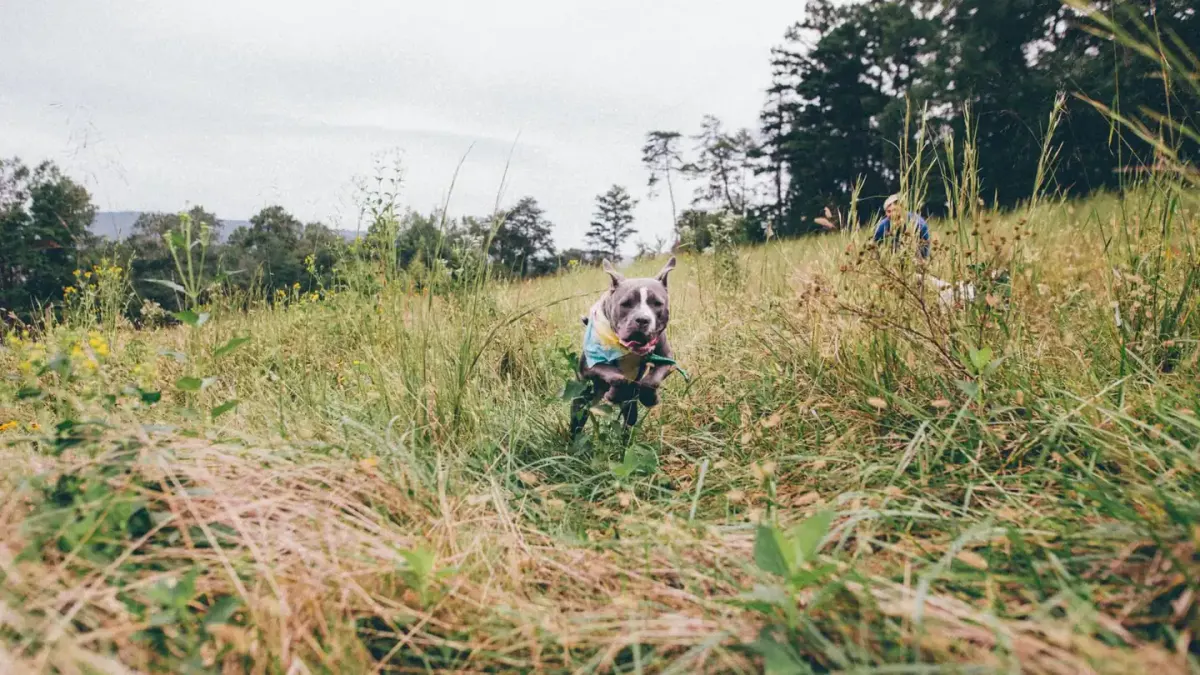
On this page
Behind that muscular frame and egg-shaped head is a dog that wants to lean against you, chase a ball until you quit, then spin in circles just to make you laugh.
The Bull Terrier is often misread as aloof or intimidating. In the home, most are intensely people-focused, playful well into adulthood, and deeply bonded to their family. That loyalty comes paired with real terrier stubbornness, high energy, and a low tolerance for being left alone. Success depends less on dominance and more on consistency, humor, and structure.
What does clownish loyalty look like at home?
Expect a shadow dog with a sense of humor. The American Kennel Club describes Bull Terriers as playful, charming and affectionate companions that need close human companionship, and that matches what owners report: following from room to room, demanding play, and inventing games like racing, pouncing, and toy-tossing.
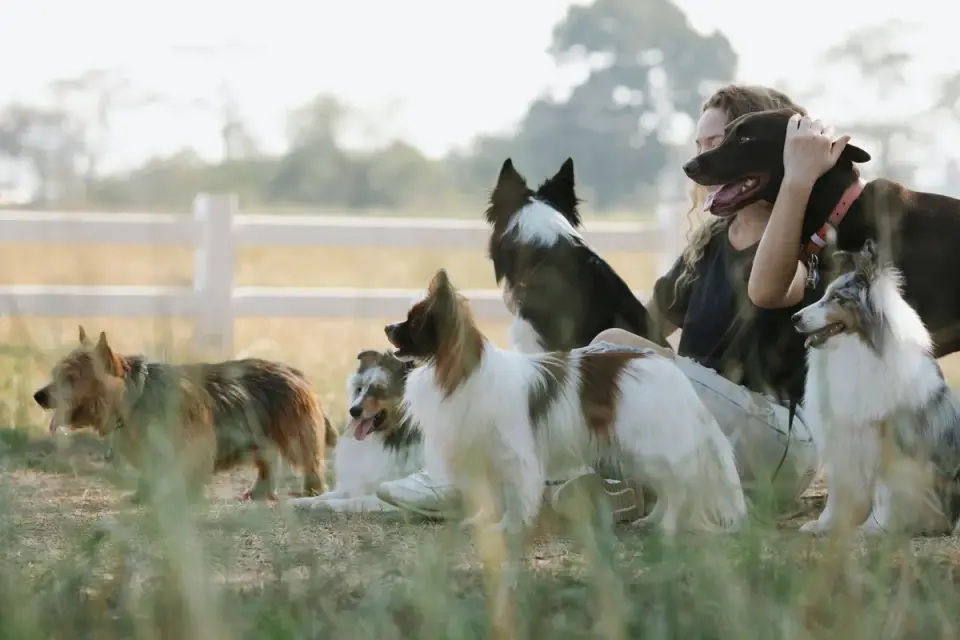
This is not an independent backyard dog. Left alone for long hours, boredom often turns into chewing, digging, fence-chasing, or trash-raiding. They do best in homes where someone is present much of the day and where daily active play and walks are built into the routine. If you are comparing high-contact breeds, our look at Male vs. Female Dogs: Do Temperament Differences Actually Matter? can help you think through individual variation within the breed.
Why does stubbornness show up in training?
Bull Terriers are smart but famously self-willed. The United Kennel Club breed standard emphasizes an even temperament and amenability to discipline, but also courage and tenacity — in practice, that means they learn quickly and then test whether the rule still applies.
Short, upbeat sessions work better than long drills. Reward the behavior you want, manage the environment to prevent rehearsal of pulling, jumping, and resource-guarding, and keep cues the same across every household member. Inconsistent rules teach persistence in the wrong direction. Early socialization to people, dogs, handling, sounds, and vet visits is especially important for a strong, exuberant adolescent.
Owners who want a dog that obeys to please may find this frustrating. Owners who enjoy problem-solving and can laugh while holding a boundary often thrive.
How social are they with people and other pets?
With their own people, Bull Terriers are typically warm, physical, and eager for contact. With strangers, they are often polite but enthusiastic — which can mean jumping and mouthiness without training. With other dogs and small pets, individual temperament varies widely, and same-sex intensity and prey drive can occur.
Pass rates reported by the American Temperament Test Society provide one standardized snapshot of stability and sociability, but they do not predict any single dog. Meet adult dogs, ask about management around other animals, and plan for supervised introductions, separate feeding spots, and leashed greetings. For households weighing space and neighbor fit, see Best Dog Breeds for Apartment Living.

Who is the best match for this temperament?
This breed fits an experienced, active owner who is home often, enjoys training as daily maintenance, and wants a comical, affectionate companion rather than a calm, aloof dog. A fenced yard, sturdy toys, and tolerance for rowdy play help.
It is a harder fit for first-time owners, homes away all day, or anyone wanting a low-energy or reliably dog-park-social dog. Like choosing between French Bulldog vs Boston Terrier: How to Choose Between Them, be honest about noise, energy, and time — individual dogs vary, and lifestyle match matters more than looks.
If you love a loyal clown and can offer firm, kind consistency for 10 to 13 years, the Bull Terrier can be an exceptional partner. If you need easy compliance and independence, keep looking.
Frequently asked questions
Are Bull Terriers good family dogs?
Many are affectionate and playful with their own family when well trained, socialized, and supervised, but their strength and exuberance require management around small children and other pets.
Are Bull Terriers hard to train?
They learn fast but test boundaries. Short, consistent, reward-based sessions and the same rules from everyone in the home work best.
Can Bull Terriers be left alone all day?
They generally do poorly with long isolation and may become destructive when bored. They need human company, exercise, and mental enrichment daily.
Sources
- Bull Terrier Dog Breed Information — American Kennel Club
- Bull Terrier Breed Standard — United Kennel Club
- Breed Statistics — American Temperament Test Society