On this page
Rachel walks her neighbor’s Beagle two miles each morning in Killeen, and the dog still trots home scanning every hedgerow for scent. That persistence is not stubbornness. It is heritage.
England produced dogs for specific country jobs — trailing scent, flushing birds, retrieving from cold water, guarding the farmyard — and those jobs built different bodies and brains. When you choose among English dog breeds, you are really choosing which kind of work you want to live with.
Scenthounds and field spaniels were built to keep going
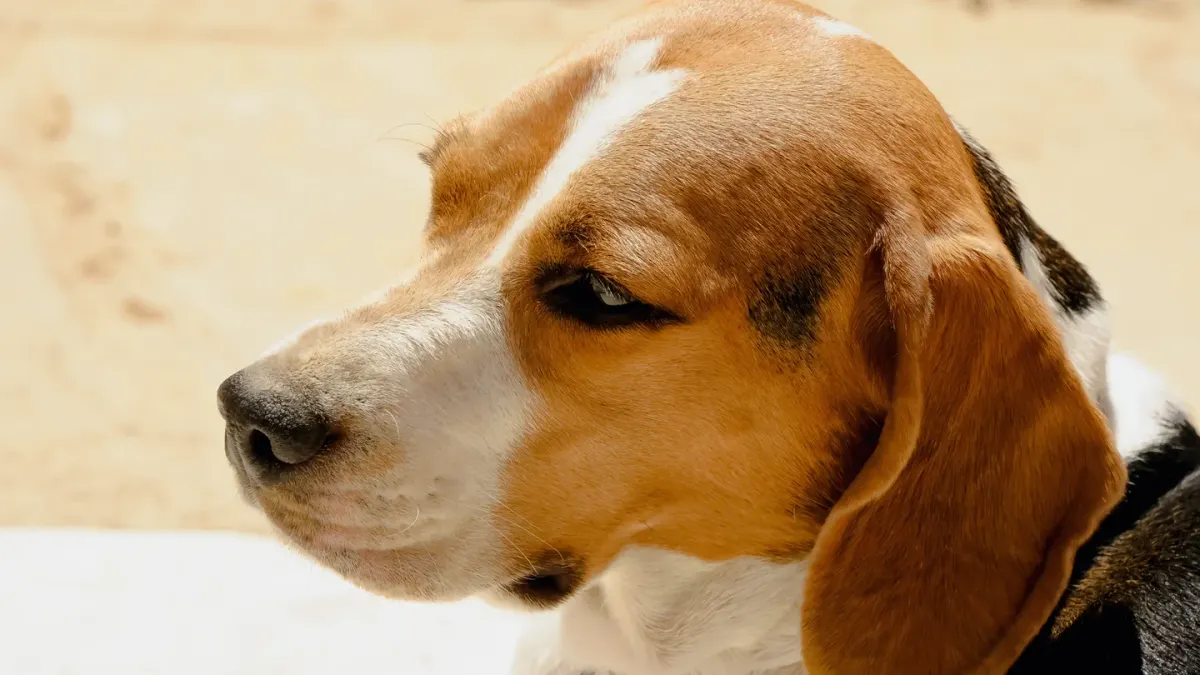
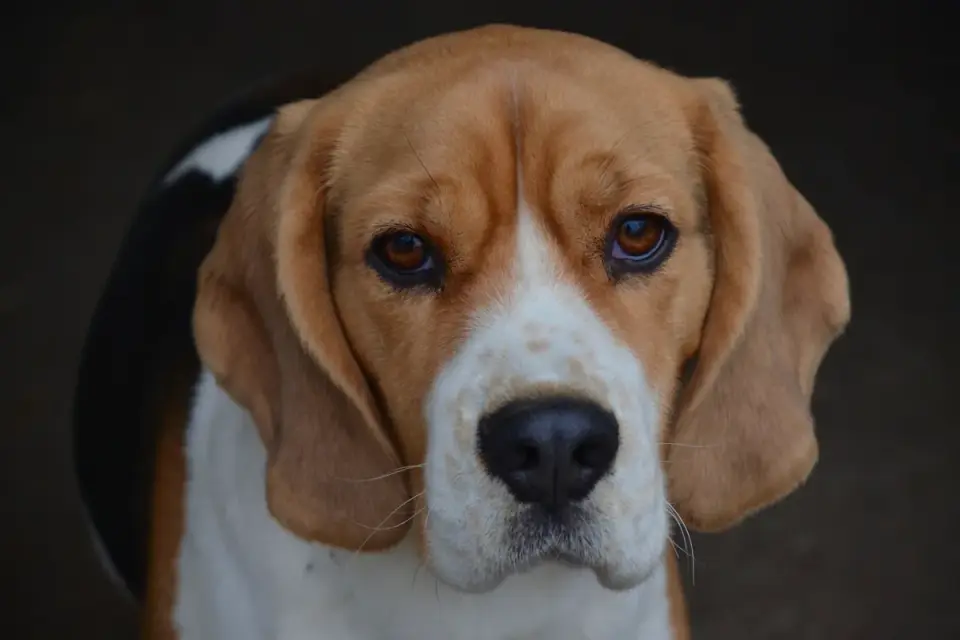
The Beagle is the clearest example. Bred in packs to follow rabbit scent for hours, this small hound carries a nose-first brain, a baying voice, and steady aerobic stamina. The American Kennel Club describes the breed as merry, curious, and determined on trail, which matches what owners feel on leash: once scent locks in, recall gets hard.
English spaniels — English Springer Spaniel and Cocker Spaniel — and the Labrador Retriever, developed from British gundog stock, were selected for a different rhythm: quartering fields, flushing, then retrieving repeatedly. The Kennel Club groups these breeds by that working function, and the pattern holds in pet homes. They learn patterns quickly, carry softly, and recharge best with fetch, swimming, and nose games rather than a short loop around the block.
Plan on 60 to 90 minutes of active exercise and training time daily for these types, split across walks plus off-leash play or field games where safe and legal.
That daily outlet matters more than yard size.
Bull breeds and mastiff types were built to hold steady
On the other side of English history sit the Bulldog, Bullmastiff, and Mastiff. These dogs were shaped for close guarding, holding, and deterrence rather than ranging miles. Their structure favors strength and heat sensitivity over endurance, with shorter muzzles, heavier frames, and a lower drive to roam.
In practice, that means shorter, thoughtful exercise. Many do well with 30 to 45 minutes of easy walking plus mental work, with close attention to breathing effort, heat, and joint load. VCA Hospitals notes that exercise plans should be matched to breed, age, and body condition, which is especially relevant for heavy, flat-faced English breeds.
Owners in smaller homes often ask about apartment fit. Scenthounds may be vocal, spaniels may be restless without a job, and Bulldogs may snore and overheat — all reasons to read our take on Best Dog Breeds for Apartment Living before you decide.
How to match the heritage to your week
Think in terms of mechanism, not labels. A nose-driven dog calms when the nose gets work. A retrieving dog settles when mouth, legs, and marking memory all get used. A guarding breed relaxes when routine is predictable and social boundaries are clear.
From a whole-patient view, regular aerobic movement may help support healthy joints, weight, sleep, and learning in most adult dogs. Food, training, and rest anchor that effect; exercise alone does not fix anxiety or reactivity.
Ask three practical questions:
What can you do every day, not just on weekends. A Springer who gets 20 minutes on weekdays and a five-mile hike on Saturday often struggles more than a Beagle who gets consistent scent walks.
What outlets fit your space. If you lack fields, consider tracking classes, gundog-style dummy work, or the kind of job-focused play we describe in Which High-Energy Dog Breeds Need a Job to Stay Happy?.
What sound and coat can you live with. Hounds voice. Spaniels shed and need ear and coat care. Bulldogs drool, snort, and need skin-fold attention. Individual dogs vary widely, so meet parents and adult dogs when you can.

Which English type should you choose
If you run, hike, or hunt and want a partner, start with the field group: Beagle for scent sport, Springer or Cocker for busy, affectionate versatility, Labrador for trainable water work. Expect to invest in recall training, fencing, and enrichment.
If you want a calmer house companion and can manage heat, snoring, and strength on leash, the Bulldog and Mastiff types fit better. Expect lower mileage, higher attention to breathing, weight, and temperature.
Families weighing scent versus companion temperaments sometimes compare spaniels side by side. Our comparison of Cavalier King Charles Spaniel vs Cocker Spaniel: How I Actually Help Owners Choose walks through that trade-off in detail.
Talk with your own vet about growth, weight, and exercise progression for your dog, especially for puppies, seniors, and flat-faced or giant breeds.
Frequently asked questions
Are English dog breeds good for first-time owners?
Some are. Labradors and Cavaliers are often adaptable, while Beagles need scent management and Bulldogs need heat and health management. Match daily exercise and training time to the breed's original job and ask your vet for guidance.
How much exercise does a Beagle or Springer Spaniel need?
Most adult scenthounds and field spaniels do best with 60 to 90 minutes of combined walking, play, and training daily. Individual dogs vary, so adjust for age, weight, and health with your vet.
Do English Bulldogs need a lot of exercise?
No. Most do best with shorter, low-intensity walks and play, with careful monitoring for labored breathing and overheating. Keep sessions brief in warm weather.
Sources
- Beagle Dog Breed Information — American Kennel Club
- English Sporting Breeds Overview — The Kennel Club
- Exercise for Dogs — VCA Hospitals