On this page
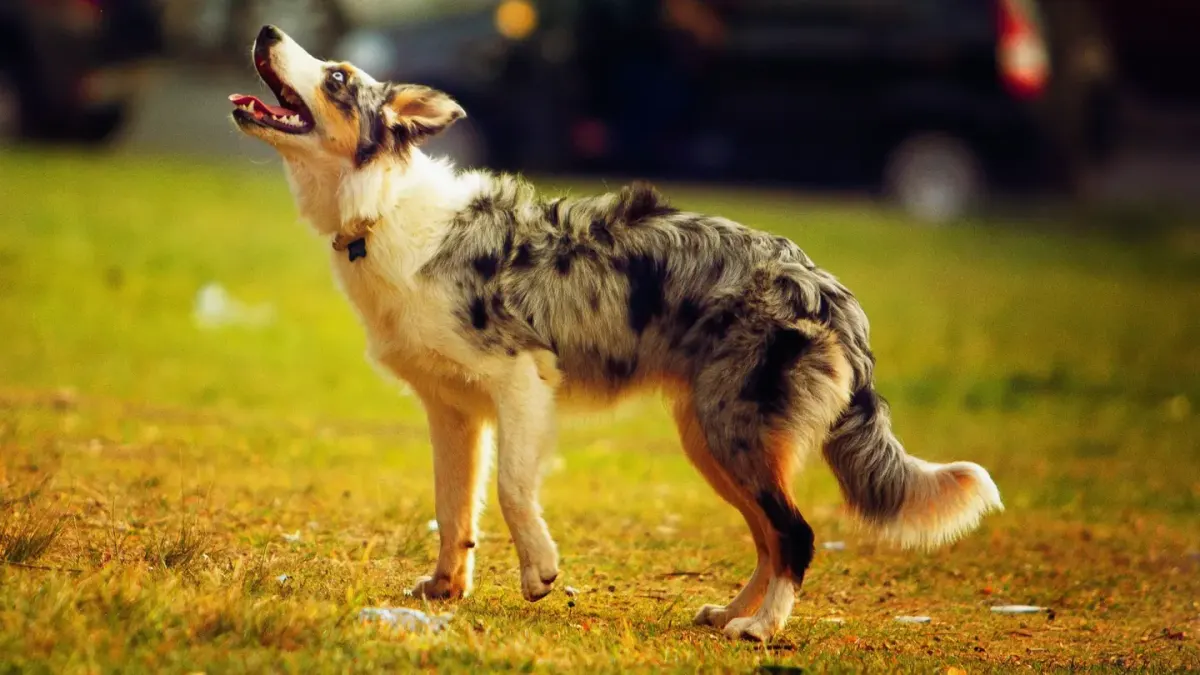
An Australian Cattle Dog puppy is intense, loyal, and driven to work, which is why I advise most first-time owners to pause before committing. Individual dogs vary, but this breed was selected to move stubborn cattle by nipping heels and reacting fast, and those instincts show up in the living room long before they look polished in the field.
Why this puppy feels different from week one
Expect a puppy that watches everything, learns fast, and tests boundaries just as fast. The American Kennel Club describes the breed as alert, curious, and highly active, and in practice that means short attention for repetition without purpose and strong attachment to one or two people. Early socialization matters more here than with an easygoing companion breed. Controlled exposure to sounds, surfaces, handling, strangers, and calm dogs helps prevent suspicion from hardening into reactivity. For a framework on timing and safe exposures, I point owners to guidance from the American Veterinary Medical Association on puppy socialization and preventive care visits. This is also where household matching matters. If you live in a small space, work long hours away from home, or want a puppy that settles with a short walk, this is usually the wrong choice. Our guide to Best Dog Breeds for Apartment Living explains the space, noise, and routine trade-offs, and our Dog Breed Care Guide: How Care Needs Actually Vary by Breed puts exercise and training load in context.

Nipping, chasing, and structure that actually works
Heel nipping is not spite; it is the breed doing the job it was made for. Puppies chase feet, bicycles, joggers, and other pets, then nip to turn movement. Without early redirection, that pattern strengthens through adolescence. What works is structure, not punishment:
- Reward disengagement: mark and reward looking away from feet, wheels, and running children.
- Trade motion for a job: short obedience sets, food puzzles, scent games, and supervised herding-ball play.
- Protect rest: overtired puppies nip more, so use a pen or crate routine with scheduled naps.
- Manage the environment: baby gates, leashes indoors, and no unsupervised chase games. For mouthing mechanics and redirection steps, I like the stepwise approach outlined by the Merck Veterinary Manual on normal puppy behavior and behavior problems. The trial I trust most here is not a drug trial but repeated controlled behavior evidence: consistent reinforcement of an alternate behavior changes nipping faster than correction alone, so I hedge less on management and more on quick fixes that promise calm in a day. If nipping breaks skin often, escalates to guarding, or pairs with stiffening, freezing, or growling over resources, ask your veterinarian promptly rather than waiting it out.
Daily life: exercise, training, and household fit
A tired Australian Cattle Dog puppy is not made by miles alone. These puppies need combined physical work plus thinking work, with skills built in short sessions across the day. A realistic baseline for an older puppy and adolescent is 60 to 90 minutes of active time broken into walks, training, fetch with rules, tug with a drop cue, and sniff work, plus free rest. Young puppies need much less forced exercise; prioritize play, training, and socialization over long runs, and ask your veterinarian about growth-plate safe activity. They do best with owners who enjoy training as a hobby. Teach a solid recall, leave it, place, loose-leash walking, and a reliable off switch. Herding instinct makes them excellent at farm sports, agility, obedience, dock diving, and trail running once growth allows, but a busy pet home can succeed with daily jobs and clear rules. Compared with other herding puppies, Cattle Dogs tend to be more independent and less eager to please for praise alone. That comparison to Border Collie vs Australian Shepherd: The Differences That Actually Change Your Day helps many families see whether they want a biddable partner or a tougher problem-solver. Coat care is the easy part. The short, dense double coat sheds seasonally and needs weekly brushing, nail trims, and dental care. Plan for heat management, hydration, and paw checks if you train outdoors.
Health and vet planning for a hardworking breed
Ask your veterinarian to set a baseline at the first puppy visit: vaccine and parasite plan, growth and body condition tracking, hip and elbow screening timelines, eye and hearing checks, and a discussion of spay or neuter timing for your dog. As a cardiologist, I also distinguish general conditioning support — regular exercise, healthy weight, and preventive care — from cardiac therapy, which is only indicated when echocardiography or other testing documents heart disease. Congenital deafness and progressive eye disease are recognized concerns in this breed group, so buy from or adopt through sources that share health testing and observe puppies to sound. No supplement or diet supports a structural heart or hearing diagnosis; those need examination, and I hedge any broad prevention claim that goes beyond published data. Choose a breeder or rescue that keeps puppies with the litter through at least eight weeks, handles them daily, starts crate and sound exposure, and matches energy level honestly. A good match asks about your schedule, fencing, other pets, children, and training plan — and will tell you no when the fit is poor.
Frequently asked questions
Are Australian Cattle Dog puppies good for first-time owners?
Usually no. They learn quickly but nip, chase, and need daily training plus job-based exercise. First-time success requires time, consistency, and access to a trainer.
How much exercise does an Australian Cattle Dog puppy need?
Young puppies need short play and training sessions, not long runs. Older puppies and adolescents often need 60 to 90 minutes of combined physical and mental work daily, with plenty of rest.
Do Australian Cattle Dog puppies ever stop nipping?
Nipping lessens with maturity, management, and reinforced alternate behaviors such as sit, place, or fetch with rules. Persistent hard biting or guarding needs veterinary input.
Sources
- Australian Cattle Dog Breed Page — American Kennel Club
- Puppy Care and Socialization Resources — American Veterinary Medical Association
- Behavior Problems of Dogs — Merck Veterinary Manual