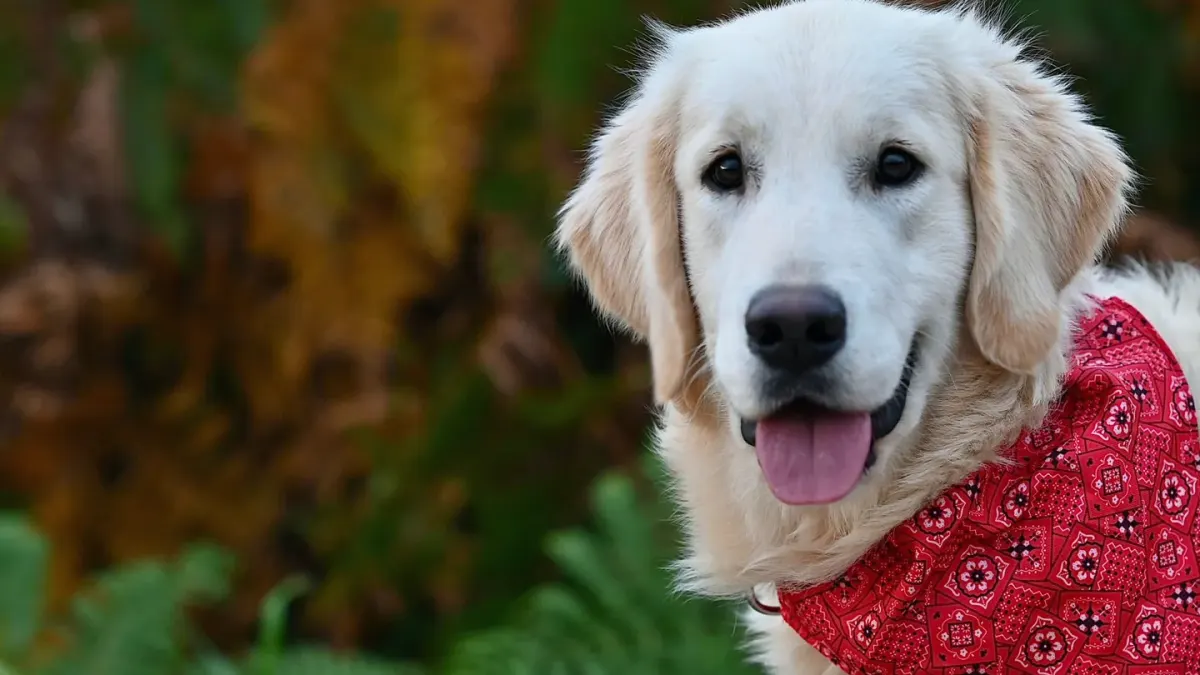
A farm collie that patrols all day and a badger dog that thinks for itself do not want the same life in your living room, even if both came from Germany.
That is the pattern I return to: purpose built the brain. Selection for herding, tracking, pulling, or guarding shaped sensory thresholds, motor patterns, and how quickly arousal rises and falls. Training does not erase those circuits; it gives them somewhere to go. When owners match the job to the household, daily life gets easier for both ends of the leash.
Herders and guardians: bred to stay with you and make calls
The German Shepherd Dog is the clearest example. The American Kennel Club describes a confident, courageous, and steady herding dog developed for trotting all day and responding to subtle handler cues. In a home that means close bonding, strong territorial awareness, and a need for structured work — obedience, nose work, herding games, or long patrol-style walks with a task attached.
For context on that herding drive and how it compares with a close Belgian cousin, see German Shepherd vs Belgian Malinois: Which One Actually Fits Your Life.
Giant Schnauzer, Boxer, Doberman Pinscher, Rottweiler, and Leonberger sit in the same functional group even when their histories differ. They were selected to stay near people, notice change, and persist under load. Expect body awareness, mouthiness in adolescence, and guarding that appears with maturity around 18 to 36 months. Early social exposure, calm greeting skills, and a reliable off-switch matter more than extra protection training.
Individual dogs vary widely in temperament, even within these strong breed patterns.
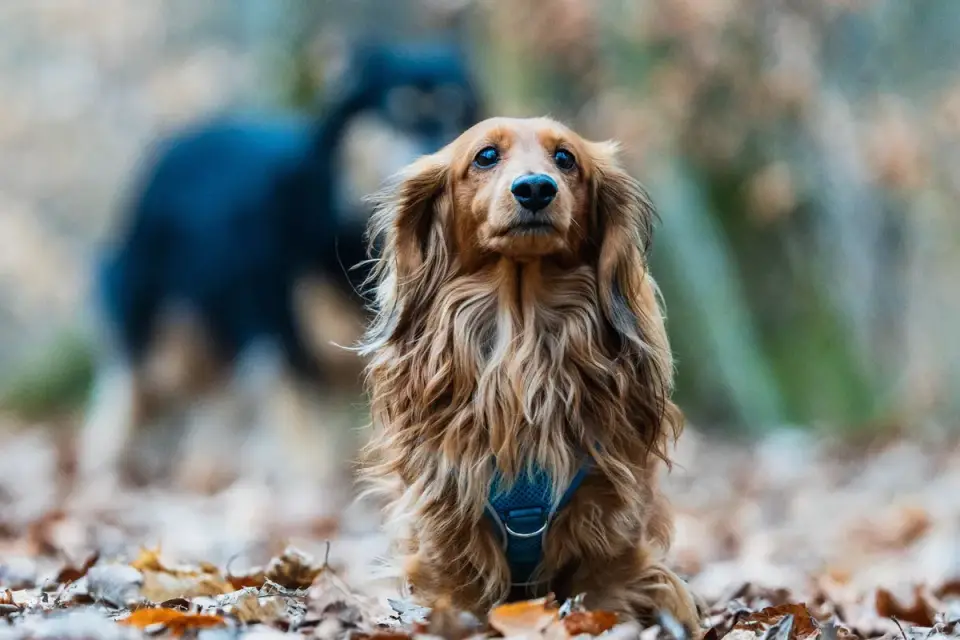
Hunters and earth dogs: bred to leave you and solve problems
Dachshunds, German Shorthaired and Wirehaired Pointers, Weimaraner, and the scenthounds and terriers behind them were selected for independent search. A pointing dog ranges out and checks back; a Dachshund was shaped to enter cover and decide alone. That autonomy reads as stubborn indoors. It is really persistence under dopamine reward — find, chase, dig, repeat.
These dogs often need more sniffing time than mileage. Two 30-minute decompression walks with tracking, retrieving, or hunt-style games usually settle a Pointer better than one forced run beside a bike.
Small apartment households sometimes assume only small dogs fit. Size helps, but impulse control and vocal tendency matter more, as we outline in Best Dog Breeds for Apartment Living.
Spitz, sled, and companion types: bred for vigilance and closeness
Pomeranian, Keeshond ancestors from German/Dutch lines, Eurasier, and Kromfohrländer were shaped less for bite work and more for alarm, pulling in cold, or steady companionship. Their nervous systems tend toward high vigilance and fast alerting. That makes them excellent watchdogs and sensitive roommates.
Coat and routine predict care load here. Double-coated Spitz types shed seasonally and need line-combing to the skin, while short-coated Boxers and Dobermans need little brushing but more thermal protection. Readers managing shedding and dander should read Best Hypoallergenic Dog Breeds for Allergy Sufferers — no dog is truly allergen-free.
High-energy German breeds do not self-regulate without an outlet.
Physiologically, chronic under-stimulation keeps sympathetic tone high: restless pacing, spinning, barking, and poor sleep. Predictable work that uses nose, legs, and brain may help support calmer rest afterward because it completes the seek-find-settle loop rather than just tiring muscles. If arousal stays high despite consistent exercise, training, and sleep, talk with your veterinarian about pain, anxiety, or neurologic causes.
How to use purpose when you choose
Start with your non-negotiables. Hours alone, stairs and elevator tolerance, bark tolerance from neighbors, grooming time, and who trains the dog. Then map those limits to job traits:
- Want a shadow that learns fast and guards naturally: herders and working guardians fit active, structured homes with time for training.
- Want an athletic partner for field, trail, and scent games: versatile hunters fit runners and outdoors families who can give daily off-leash-legal outlets.
- Want a smaller, alert companion with moderate exercise needs: Spitz and companion German breeds fit attentive homes ready for brushing and bark training.
For households weighing daily workload, Which High-Energy Dog Breeds Need a Job to Stay Happy? is a useful check before you commit.
Health screening follows the same logic. Large, fast-growing working breeds carry higher risk for developmental orthopedic disease, so evidence-based screening matters. The Orthopedic Foundation for Animals explains how hip conformation is graded and why breeders screen before breeding. National organization matters too: the Verband für das Deutsche Hundewesen oversees German breed standards, working tests, and health strategy at the source, which helps explain why working ability still shapes temperament today.
Ask breeders or rescues three purpose-based questions: what job were these parents selected for, what does a normal day of work look like for them, and what do they do when frustrated. The answers predict your life better than reputation does.
Frequently asked questions
Are German dog breeds good for first-time owners?
Some are. Boxers, Standard Schnauzers, and many companion Spitz types can suit committed beginners with training time. German Shepherd Dogs, Dobermans, Rottweilers, and high-drive hunters usually do best with owners ready for consistent socialization, daily work, and boundary training.
Which German breeds bark the most?
Alert and hunting types tend to vocalize most — Pomeranians, Keeshonds, Dachshunds, and Weimaraners when bored. Herders and guardians bark with purpose at change. Training a quiet cue, enough sniffing and work, and good sleep reduce nuisance barking.
Sources
- German Shepherd Dog Breed Page — American Kennel Club
- Hip Dysplasia Information Center — Orthopedic Foundation for Animals
- VDH English Homepage — Verband für das Deutsche Hundewesen