On this page
Quick Decision Checklist: German Shepherd or Belgian Malinois
Before the full comparison, here’s the short version I give clients in the exam room when they’re torn between these two breeds:
- Daily exercise ceiling: German Shepherd, roughly 1–2 hours of structured activity; Belgian Malinois, 2+ hours plus a job, not just a walk.
- Off-switch at home: German Shepherds generally settle indoors more easily; Malinois often need a “decompression” routine before they’ll relax.
- First-time owner fit: German Shepherd is usually the safer starting point; Malinois is better suited to owners with prior working-breed or sport-dog experience.
- Coat and shedding: Both shed heavily and blow coat seasonally; German Shepherd coats are typically denser and shed more total volume.
- Structural health screening: Both breeds should have OFA or PennHIP hip evaluations before breeding; ask to see paperwork either way.
- Household with young kids or frequent visitors: German Shepherd tends to tolerate a busier household better; Malinois can become reactive without consistent structure.
Now let’s unpack why each of those lines is on the list.
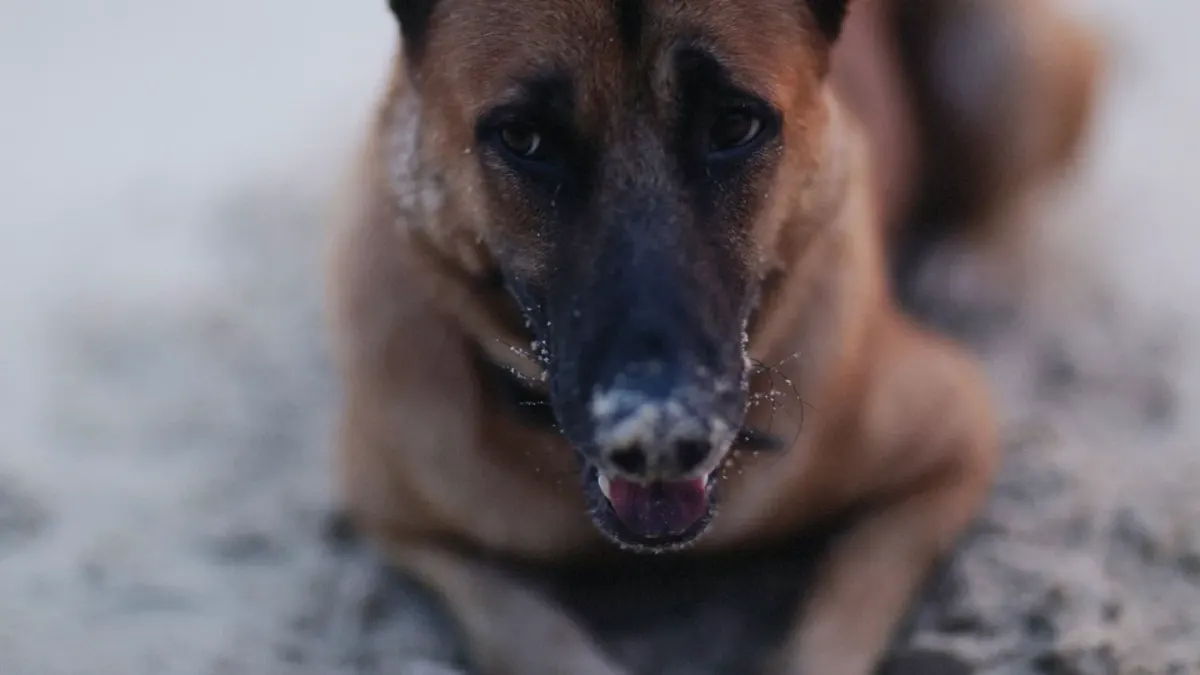
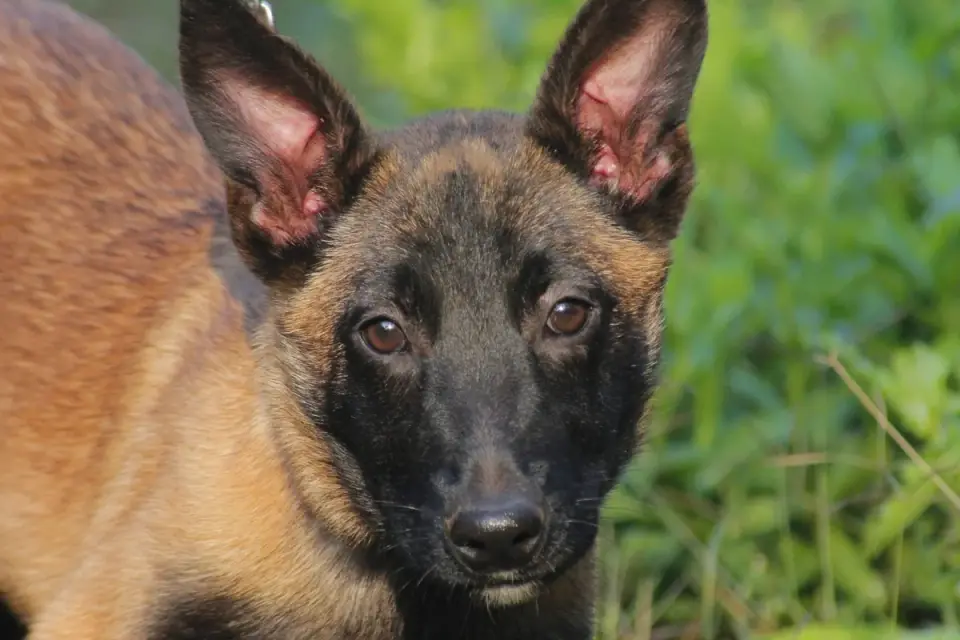
I’ve sat across the table from a lot of families weighing this exact decision, and the conversation almost always starts the same way: someone saw a Malinois doing bite work in a video, or grew up with the neighbor’s German Shepherd, and now they want “one of those.” My job is to slow that down before it becomes a returned dog at six months. A German Shepherd and a Belgian Malinois can look almost interchangeable in a photo — both are medium-large, erect-eared, tan-and-black herding-type dogs with serious jobs in their bloodlines. But the dog that shows up in your living room at 7 p.m. on a Tuesday is where the real difference lives, and that’s the part breed photos never show you.
What Each Breed Standard Actually Says
Start with the paperwork, because it tells you what these breeds were bred to do before it tells you anything about temperament. The German Shepherd Dog Breed Standard describes a dog developed primarily for herding and general farm work, later adapted into police, military, and service roles — a breed prized for versatility and a steady, watchful temperament rather than pure drive. The Belgian Malinois Breed Standard describes a dog bred more narrowly for intense herding work in the fields of Belgium, and that narrower selection pressure is a big part of why Malinois tend to run hotter and more single-minded than their German Shepherd cousins.
Both breeds sit in the American Kennel Club’s Herding Group, both are intelligent enough to pick up new cues in a handful of repetitions, and both were shaped by working purpose rather than companionship first. That shared history is exactly why people confuse them. The daylight between the two shows up in degree, not kind: German Shepherds were bred for a broader range of jobs and a more even keel, while Malinois were bred for a narrower, higher-intensity job and the temperament to match it.
Drive, Off-Switch, and the Home Life Question
This is the question that actually matters day to day: can this dog turn off?
In my practice I worked with a Belgian Malinois named Rex, a two-year-old, 62-pound male whose owners had adopted him from a former handler who could no longer keep him. They came in for a wellness visit describing a dog who paced the kitchen at 9 p.m., shredded a doormat within his first month, and would not settle even after a 45-minute run that morning. What changed things wasn’t more exercise — it was structure. We built a decompression routine: a sniff-heavy walk instead of a sprint, a frozen food puzzle before dinner, and a consistent “place” command the owners practiced every evening. By week six, the pacing had dropped to occasional, and Rex was lying down through a full television episode for the first time since they’d had him. That case is the one I think of every time someone tells me a Malinois “just needs more running” — often it needs less running and more job.
German Shepherds, by contrast, are usually more forgiving of an imperfect routine. That doesn’t mean low-maintenance — a bored German Shepherd will absolutely find its own hobbies, usually involving your couch cushions — but the margin for error tends to be wider. If your household includes unpredictable hours, kids’ sports schedules, or long workdays, a German Shepherd’s slightly steadier baseline is usually the more forgiving bet.
The Health and Structure Picture
Structurally, these breeds diverge more than most owners expect. Hip and elbow health are worth a direct conversation with your vet before you commit to either breed, because the numbers aren’t close. A retrospective study published via PMC tracking hip dysplasia across five large breeds in Switzerland found German Shepherd prevalence fell from roughly 46% to about 18% between 1995–1999 and 2010–2016 as screening programs tightened — real progress, but still a meaningfully high baseline compared to many other breeds. Malinois breeders have generally maintained a lower rate of hip dysplasia, which many attribute to decades of continued selection for working soundness in sport and service lines, though individual dogs still vary and screening still matters.
Neither breed is exempt from degenerative myelopathy risk or the general orthopedic wear that comes with an active, mid-large working frame over a decade-plus lifespan. Ask any breeder for OFA or PennHIP documentation on both parents, regardless of which breed you choose — that single request tells you more about a given litter’s risk than the breed label ever will.
One line I say often: a breed average is not a guarantee for the puppy in front of you.
Grooming, Shedding, and Coat Blow
Both breeds carry a double coat and blow it seasonally, usually spring and fall, with a noticeable increase in loose undercoat for two to three weeks. German Shepherds tend to carry more total coat volume and shed more visible hair year-round; Malinois have a shorter, tighter coat that still sheds heavily during blow-outs but is generally easier to keep looking presentable between grooming sessions. If shedding volume is a real household constraint — light-colored furniture, allergies, a strict no-hair-on-the-couch rule — that alone might tip the decision toward Malinois. For a full walkthrough of what coat blow actually looks like and how to manage it, our guide on grooming a German Shepherd through coat blow covers the brushing schedule that works.
Who I’d Actually Recommend This Dog To
Here’s where I land, and I’ll defend it: for the large majority of households asking this question, a German Shepherd is the more sustainable choice, and I say that knowing plenty of people want the Malinois.
The counterargument I hear most is that Malinois are simply “smarter” or “more capable,” and in a narrow sense that’s fair — their working drive is remarkable, and if you’re training for a specific sport, protection work, or a genuinely demanding job, a Malinois can outperform a German Shepherd on raw output. But capability isn’t the same as fit. Most of the Malinois I see in my practice with behavior concerns aren’t poorly bred or poorly loved; they’re under-jobbed. Their owners gave them exercise but not purpose, and the dog filled that gap with anxiety, destructiveness, or reactivity toward strangers and other dogs.
I think about a family I worked with last year — a Malinois, adopted at eight months, in a household with two kids under ten and two working parents. The dog was lovely one-on-one but would fixate on the kids’ friends at the door, hackles up, stiff-postured, within the first sixty seconds of a visit. We worked on structured greetings and management, and it improved, but it was a heavier lift than the family had signed up for. A German Shepherd temperament, on average, would have given that same household more room to make mistakes. If your daily life genuinely includes a job for the dog — scent work, protection sport, agility at a serious level, multiple structured training sessions a week — the Malinois earns its reputation. If it doesn’t, the German Shepherd is very likely the dog that actually thrives in your home. If neither breed’s drive level fits your household at all, it’s worth reading our breakdown of which high-energy breeds need a job to stay happy before you commit to either one — or, for a lower-drive comparison entirely, see Labrador vs Golden Retriever: How to Choose.
Looking ahead, the honest answer for most families isn’t which breed is “better” — it’s which dog you can commit to giving a real job, every single day, for the next decade.
Frequently asked questions
Is a Belgian Malinois more aggressive than a German Shepherd?
Not inherently — both breeds can be protective, but Malinois tend toward higher intensity and reactivity when under-exercised or under-stimulated, which can look like aggression without being true aggression. Structure and consistent training matter more than breed label here.
Can a first-time dog owner handle a Belgian Malinois?
It's possible but genuinely harder than a German Shepherd. Most experienced trainers recommend prior working-breed or sport-dog experience before taking on a Malinois, given the daily drive and structure the breed needs.
Which breed is better with kids?
Both can do well with children when properly socialized, but German Shepherds are generally more forgiving of a busy, unpredictable household, which tends to make them the steadier fit for most families with kids.
Sources
- German Shepherd Dog Breed Standard — American Kennel Club
- Belgian Malinois Breed Standard — American Kennel Club
- Prevalence of Canine Hip Dysplasia in Switzerland Between 1995 and 2016—A Retrospective Study in 5 Common Large Breeds — PMC