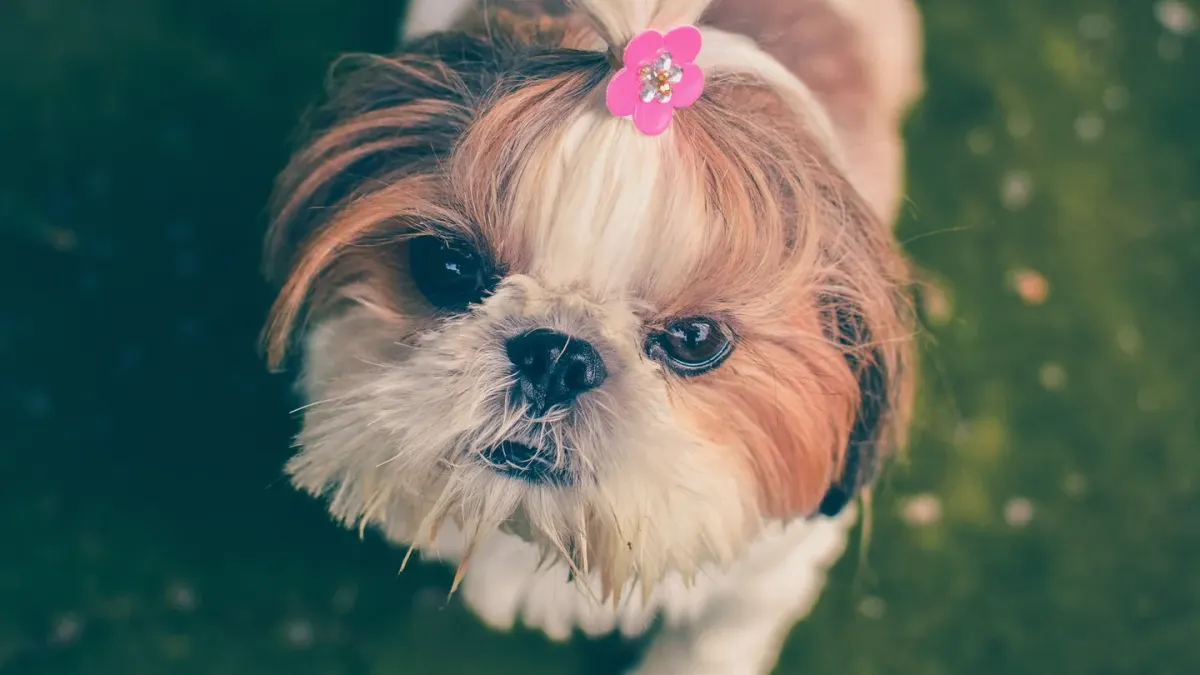
It’s 3 p.m., 96 degrees outside, and the 4-year-old 62-pound pit mix by the back door is panting before you’ve even clipped the leash. The concrete burned your palm on a five-second check, the evening walk is hours away, and she’s already circling the coffee table with that wired, under-exercised look. On a heatwave afternoon like this, the decision isn’t whether to skip the walk — it’s what you put in its place so she can use her brain without heating her body.
That tradeoff is the core of this plan. Dogs cool themselves mostly by panting and limited heat loss through paw pads, which is inefficient compared with sweating, so core temperature can climb fast when exercise, excitement, and hot air stack together. The American Veterinary Medical Association advises never leaving dogs in hot cars and exercising with extreme caution in high heat and humidity, because heatstroke can develop in minutes. Indoors, that same physiology works in your favor: lower air temperature, still air for panting to work, and calm sniffing and licking keep arousal and metabolic heat low.
When the sidewalk says no, listen to the pant
You don’t need a thermometer to make the call. If pavement is too hot for your hand, it’s too hot for paws. If your dog is panting heavily at rest in shade, drooling thick saliva, or lagging after a block, turn home. VCA Animal Hospitals notes heavy panting, glazed eyes, rapid pulse, and unsteady gait as early signs of heat-related distress that warrant immediate cooling and veterinary advice.
I weigh what a supplement can realistically do for diet, mobility, and recovery here the same way I weigh a frozen treat: neither one replaces cool air, water access, and rest. Food-based enrichment may help support normal chewing and licking behavior as part of a balanced daily ration, but it doesn’t cool a dog or offset heat load. Keep calories counted toward dinner, keep water down in two places, and let the room do the work.
The 7-year-old 18-pound dachshund mix taught me that the hard way. His owner, worried about weight gain, had cut his lunch kibble and then filled a large frozen peanut-butter Kong to survive a 99-degree Saturday — effectively doubling his afternoon calories and making him frantic. By day 3 of that routine he was guarding the Kong, ignoring the snuffle mat, and pacing instead of napping. We swapped to his regular kibble soaked and frozen in a small Toppl, about a quarter of his daily ration, plus tap-water ice cubes with two blueberries. By day 10 he was licking quietly for 20 minutes and then choosing his bed on his own.
A three-block afternoon that actually settles dogs
Think in blocks, not in one marathon game. Aim for 60 to 90 minutes total, broken up with true rest.
Block 1: Sniff first, 15 minutes. Scatter a handful of kibble in a snuffle mat, towel twists, or cardboard box with crumpled paper. Sniffing is low-arousal, low-movement work that many restless dogs can do even when they’re panting lightly. Keep the room cool and quiet.
Block 2: Lick and chew, 20 minutes. Offer a frozen lick mat with wet food or plain yogurt, or a safe rubber chew stuffed with soaked kibble. Licking and rhythmic chewing tend to slow dogs down rather than wind them up. For ideas on sizing and difficulty, see Food-Dispensing Toys vs. Treat Balls: Which One Actually Fits Your Dog and Puzzle Feeders vs. Slow Feeder Bowls: What Each One Actually Fixes.
Block 3: Rest on purpose. Close the curtains, turn on a fan, offer a cool tile or damp towel to lie on, and sit with him. Most heatwave afternoons fail not from too little play but from no off-switch. If your dog struggles to settle in the evening after days like this, the triggers in Why Won’t My Dog Calm Down at Night? A Vet Explains the Real Triggers track closely with what I see after over-arousing indoor play.
Short paragraph. Cool rest is enrichment too.
Dogs that can’t exercise for medical reasons need the same pacing. How to Mentally Tire a Dog That Can’t Exercise is a useful cross-check for keeping mental work short and repeatable.
The edge case: the dog who gets hotter indoors
Three weeks in last August, a 9-year-old 74-pound Labrador with early arthritis showed the exception. Indoors at 78 degrees with a fan, he still panted through a five-minute nosework search, then refused the frozen chew and lay belly-down on the kitchen tile. His owner worried he was bored. He wasn’t bored — he was warm and sore, and standing to search hurt.
For seniors, brachycephalic breeds, and dogs with cardiac or airway disease, even indoor play can raise body temperature. Cornell University College of Veterinary Medicine emphasizes cool water, shade, limited activity during peak heat, and prompt veterinary care for signs of heatstroke, especially in high-risk dogs. Shorten sniffing to five minutes on a mat while lying down, skip anything that causes barking or jumping, and prioritize a damp towel, stillness, and a chew he can work without standing. Individual dogs vary widely, so watch the dog in front of you and check with your own vet about exercise limits in heat.
End the afternoon the way you want the evening to go: water refreshed, lights low, last potty trip when shade returns. If panting at rest doesn’t ease within 15 to 20 minutes in a cool room, or you see vomiting, stumbling, or bright red gums, cool gently and call your veterinarian right away.
Frequently asked questions
How long should indoor enrichment last on a very hot afternoon?
Aim for 30 to 45 minutes of active sniffing, licking, and chewing broken into 10- to 20-minute blocks, with quiet rest between. Watch panting and interest — when licking stops or panting rises, switch to rest on a cool surface with water nearby.
Are frozen treats safe for cooling down?
Small frozen portions of your dog's regular food with water are usually the safest option. Keep extras to less than 10% of daily calories, avoid xylitol/birch sugar, cooked bones, and oversized ice blocks that encourage hard chewing, and always supervise.
Sources
- Warm Weather Pet Safety — American Veterinary Medical Association
- Heat Stroke in Dogs — VCA Animal Hospitals