
On this page
Tuesday night in a basic obedience class says more than any ranking. A Border Collie learns the new cue in three tries while the Labrador next to him trades perfect sits for glances at the treat pouch. Both dogs are bright. Only one lives to work.
What Smart Means When Vets Talk Trainability
Forget IQ scores. In dogs, smart most often means how quickly a breed notices patterns, remembers cues, and wants to repeat them for you. Researchers and trainers usually divide that into working ability, problem-solving, and social learning with people. That is why lists often lean toward herding and sporting breeds — they were selected for generations to watch handlers and act fast, a trait linked to domestication for social cognition described in Science. Measure your own week before you pick a breed. Count training sessions you will actually do, minutes for sniff walks and fetch, and hours the dog will be alone. Choose a breed whose learning speed matches that time. Individual dogs vary widely, even in famously smart breeds. That is trainability, not IQ.
The Work-First Thinkers Who Need a Job
Border Collies, Australian Shepherds, German Shepherds, and Belgian Malinois learn sequences fast and get restless without them. Give them a task in order. Teach a default settle first. Then add two short training blocks a day, five minutes each. Then rotate puzzle feeders, scent games, and controlled herding, agility, or nose work across the week.
If you love this type, read Border Collie vs Australian Shepherd: The Differences That Actually Change Your Day and Which High-Energy Dog Breeds Need a Job to Stay Happy?. Those breakdowns show how much motion, noise sensitivity, and herding instinct change a household. Vets often see smart adolescents surrendered at 8 to 14 months because the brain matured faster than the schedule did. Plan for a two-year apprenticeship, not a six-week class.
The People-Focused Problem Solvers
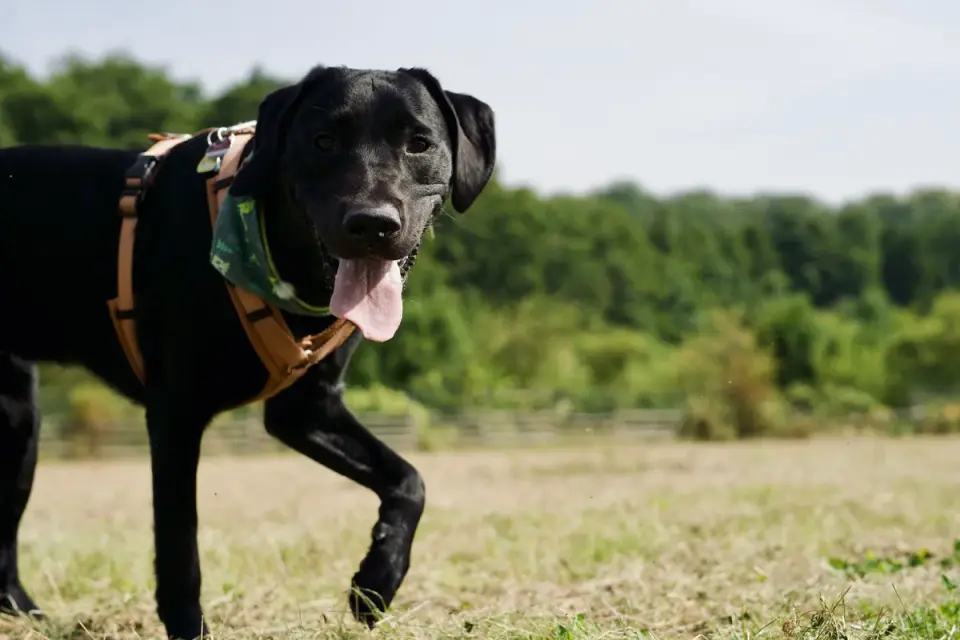
Labrador Retrievers, Golden Retrievers, Standard Poodles, and Papillons also rank high, but for a different kind of smart. They read people, forgive handler mistakes, and stay motivated by food or play. Start with name recognition and hand targeting. Build loose-leash skills in low-distraction hallways before parks. Practice brief separations and calm greetings from day one to may help support steady adult behavior. This group often fits families, first-time owners, and Best Dog Breeds for Apartment Living better than a herding breed, provided exercise and coat care needs are met. Poodles need regular clipping and brushing. Retrievers need weight checks, portion control, and retrieving outlets. Keep baseline behavior notes — appetite, sleep, housetraining, chewing — and bring changes to your vet early. Prevention and consistent handling protect that willing temperament.
Pick the Kind of Smart You Can Live With
Here is my counseling rule: pick for the trade-off, not the trophy. If you want a fast learner for sport and have an hour a day plus weekend training, a herding dog may thrive. If you want a friendly learner who relaxes after a walk and a game, choose a sporting or companion breed and commit to preventive training through adolescence. If you work long hours in a small space, skip both work-first types for now and revisit the list when your schedule changes. Ask your household three questions. Who will train every day. Where will mental work happen in rain or heat. What behaviors are non-negotiable — quiet, alone-time tolerance, polite with kids. Then meet adult dogs of that breed, ask breeders and rescues about energy and noise, and plan vet visits around growth, vaccines, and behavior milestones. Which kind of smart could you happily live with for the next 12 years?
Frequently asked questions
Does smartest mean easiest for first-time owners?
Not always. Fast learners also learn bad habits fast and need more daily training and exercise. Many first-time owners do better with a people-focused breed that is forgiving and food-motivated.
How much training does a smart breed need?
Plan on two short sessions daily plus walks, play, and puzzle feeding through adolescence. Herding types often need a formal job like agility or nose work to stay settled.