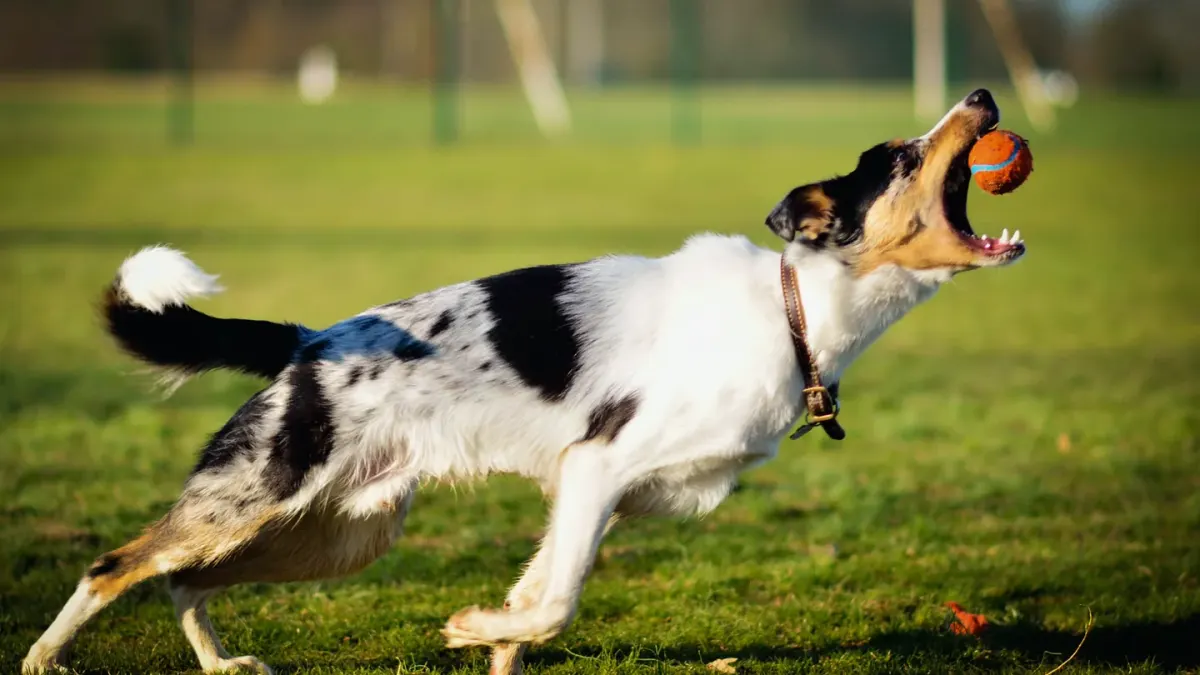
The evening pacing had started again, soft nails on hardwood, and his family worried rest was slipping away from him. He was a 12-year-old mixed-breed dog, about 48 pounds, and by day 4 of crate rest after a pulled muscle, his eyes looked tired but his nose still wanted work. I suggested we begin with comfort rather than challenge, and the towel roll game gave that restless nose a quiet place to land.
A quick checklist before you roll
- Choose a large, clean bath towel with no fraying edges or loose loops
- Use small, soft treats or part of dinner kibble, not extra-large biscuits
- Start flat and loosely rolled for older dogs, tight rolls only for confident sniffers
- Stay close, watch chewing, and remove the towel if shredding starts
- Keep sessions to 5–10 minutes, then rest and fresh water
- Wash the towel between uses if it holds food smells
Why a soft sniffing game suits a worried household
Sniffing is low-impact work. It asks for the nose and brain rather than the joints, which is why many veterinarians include scent-based enrichment in comfort plans. The American Kennel Club describes mental stimulation through sniffing and foraging as a practical way to tire a dog without overexertion, and that framing fits well for dogs on restricted activity.
For families caring for an aging or sore dog, this matters. You do not need to buy a puzzle or teach a new trick. You need something familiar, washable, and easy to grade up or down. A towel roll may help support calm settling and normal foraging behavior, and individual dogs vary in how quickly they engage.
What you will need from around the house
You likely have everything already. Lay out a clean bath towel or two smaller hand towels, a non-slip mat or rug for footing, and a small handful of treats your dog tolerates well. For dogs with few teeth or sensitive stomachs, soft pea-sized pieces or their regular kibble work best.
Avoid plastic bags, paper towels that tear into swallowable pieces, rubber bands, string, or anything with scented laundry residue. If the towel smells strongly of detergent, rinse it once more. Dogs experience the world through odor, and a strong perfume can make the game less inviting.
How to build the towel roll, layer by layer
Lay the towel flat on the floor. Scatter 8–10 small treats across the surface and let your dog sniff them without rolling. This first step builds confidence.
Then fold one edge over the treats and add a few more treats on the fold. Roll loosely toward the center, tucking treats into each turn. For the first session, leave the end wide open and some treats visible. Your dog should succeed within a minute or two.
Between rolls, pause. Let your dog breathe, reposition, and choose to re-engage. Comfort-first enrichment follows the dog’s pace rather than pushing for completion.
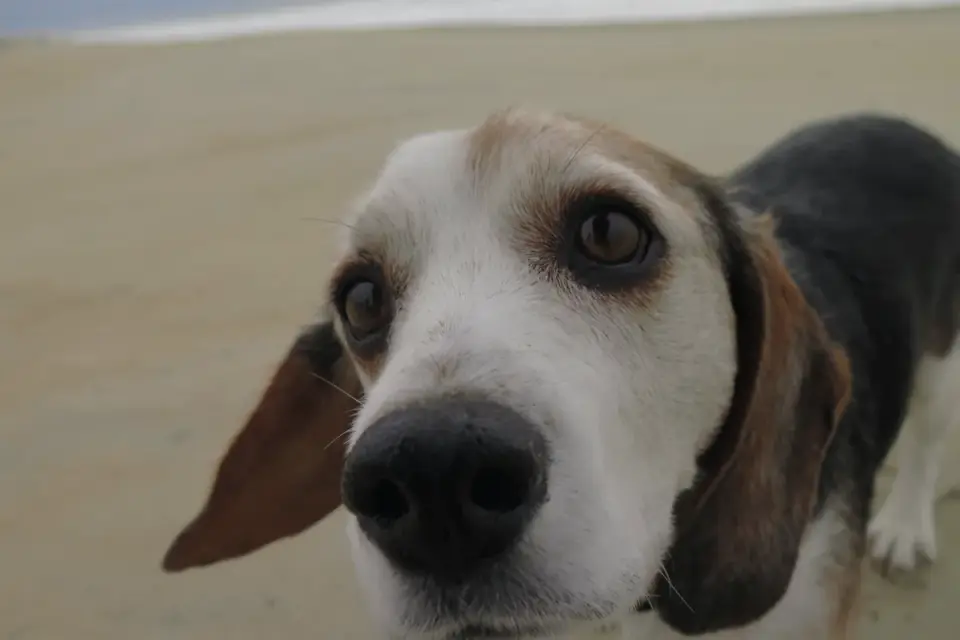
I once worked with a family whose 9-year-old Beagle, 27 pounds, loved food puzzles a little too much. They had started with a tightly rolled beach towel stuffed with cheese cubes, thinking a harder puzzle would buy them an hour of quiet. By day 2 she was biting and shaking the fabric, frustrated, and refusing to settle afterward. We unwound the plan completely. With a loosely folded hand towel and only six pieces of kibble visible along the edge, she sniffed, licked, and lay down within seven minutes. The failed approach taught them what I return to often: difficulty is not the gift, access is.
Reading your dog and grading the game
Watch the body more than the towel. Soft eyes, slow tail sweeps, steady sniffing, and pauses to lick suggest comfort. Hard staring, rapid grabbing, guarding the towel, or trying to eat fabric suggest the setup is too hard, the treats too exciting, or the dog too tired.
To make it easier, unroll partly, use a thinner towel, or place treats on top. To make it richer for a confident young dog, add a second fold, create two short rolls side by side, or hide treats under a light drape of fabric. Change only one variable at a time.
The ASPCA notes that enrichment and appropriate outlets for foraging can reduce attention-seeking and destructive behavior tied to boredom. That aligns with what families report at home: a short sniffing session before dinner often softens the evening restlessness discussed in our guide on Why Won’t My Dog Calm Down at Night? A Vet Explains the Real Triggers.
When to keep it simple or choose something else
Some dogs should stay with the simplest version. Dogs with advanced dental disease, dogs who swallow fabric, dogs with resource guarding around food, and dogs recovering from gastrointestinal upset do best with supervision and very easy finds, or with no food game at all until their veterinarian advises otherwise. If your dog coughs, vomits, guards intensely, or becomes more agitated after play, stop and call your clinic.
For dogs that cannot exercise at all, sniffing games are one piece of a broader rest plan. You can rotate the towel roll with scatter feeding on a mat and short, calm training touches, as outlined in How to Mentally Tire a Dog That Can’t Exercise. For dogs that inhale meals, keep food puzzles separate from fast eating concerns and read Puzzle Feeders vs. Slow Feeder Bowls: What Each One Actually Fixes before changing feeding equipment.
A neighbor I visited last winter showed me the edge case I now mention to every family. Her 14-year-old terrier mix, only 18 pounds, had failing vision and hearing, and three weeks in after a move she had stopped exploring the new apartment. Food puzzles with lids confused her. A flat towel with warm kibble scent, placed in the same sunny corner each afternoon, did not. By day 10 she would walk to that corner on her own and nose the open fold for four quiet minutes, then curl onto the rug beside it. It did not restore her youth. It gave her a predictable ritual she could still complete.
If tonight feels long and your dog is pacing between rooms, could a single loose towel roll and a few pieces of dinner become a small shared pause rather than another task to perfect?
Frequently asked questions
How long should a towel roll game last?
Five to ten minutes is enough for most dogs, especially seniors or dogs on rest. End while your dog is still interested, then offer water and a quiet resting spot.
What treats work best in a towel?
Small, soft treats or your dog's regular kibble. Keep pieces pea-sized, count them toward daily food, and avoid crumbly biscuits that lodge deep in fabric.
Is the towel roll safe for dogs that chew towels?
No unsupervised play, and stop if your dog bites, pulls threads, or tries to swallow fabric. Use a flat scatter on a mat instead and ask your veterinarian about safer enrichment options.
Sources
- Common Dog Behavior Issues — ASPCA