Pick a herding shepherd for daily active training, and a guarding shepherd only if you can manage size and protectiveness.
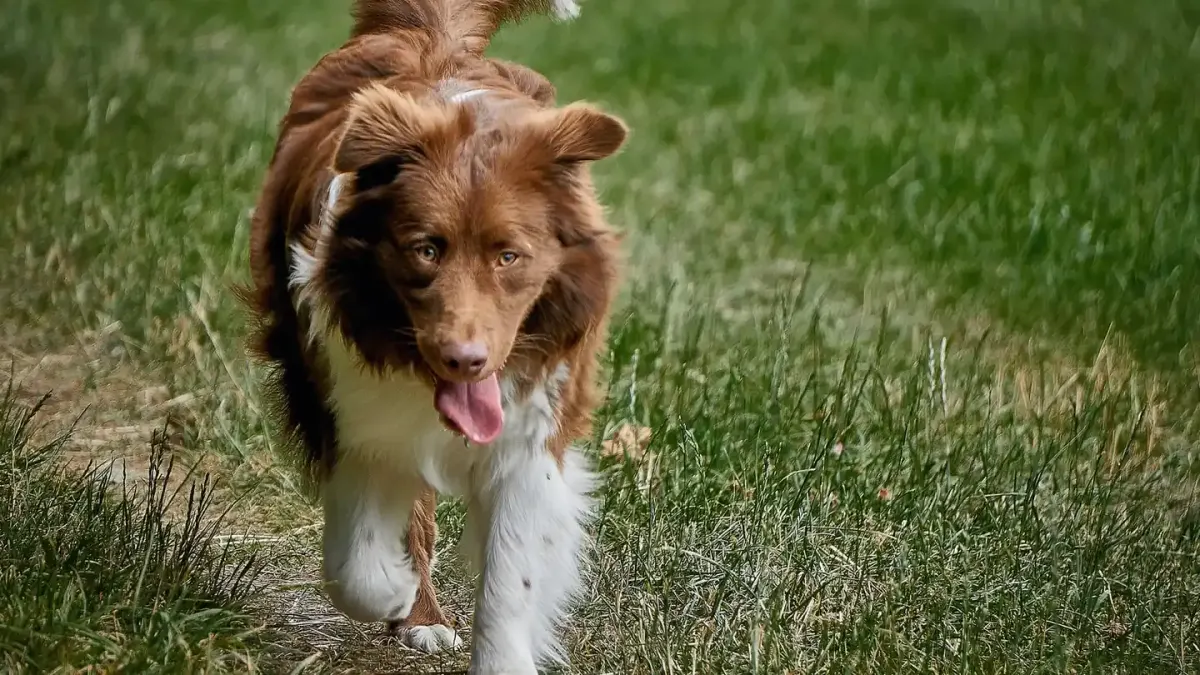
Shared name, split job description. The word shepherd covers two historic roles: moving herds with speed and control, and living with flocks to deter predators. That difference shapes size, coat, trainability, and how much human direction the dog expects every day.
Herding-origin shepherds tend to watch you for the next cue, learn simple tricks with surprisingly little practice, and need a long stretch of activity before they choose to settle down. Guardian-origin shepherds tend to decide for themselves, patrol on their own schedule, and take longer to trust strangers. Individual dogs vary widely, so use breed patterns as a starting point and meet parents, ask about health screening, and talk with your own vet.
Herding shepherds that want a job with you
German Shepherd Dog. Large, athletic, and eager to work closely with one handler. The American Kennel Club breed pages describe a confident, trainable herding dog that does best with structure, socialization, and consistent work. In a pet home that often means daily training, scent work, or sport, not just a walk around the block. For a closer comparison of drive and daily life, see German Shepherd vs Belgian Malinois: Which One Actually Fits Your Life.
Belgian Malinois. Smaller and lighter than a German Shepherd, but usually more intense minute-to-minute. Bred for quick response and endurance, this is the dog that eagerly joins in when you are active and struggles most when life gets quieter. Best for experienced, athletic owners who enjoy training as a hobby.
Belgian Shepherd varieties: Tervuren, Sheepdog, and Laekenois. Same herding root as the Malinois with different coats and slightly softer temperaments in many lines. Expect high intelligence, sensitivity to routine, and a need for exercise plus problem-solving, such as hidden-toy searches that seem to leave him ready for a longer rest.
Australian Shepherd. Despite the name, developed in the United States as a ranch dog. Medium-sized, agile, and visually attentive. Many do well in active families if herding, agility, or advanced obedience fills the week. Compare energy and household rhythm in Border Collie vs Australian Shepherd: The Differences That Actually Change Your Day.
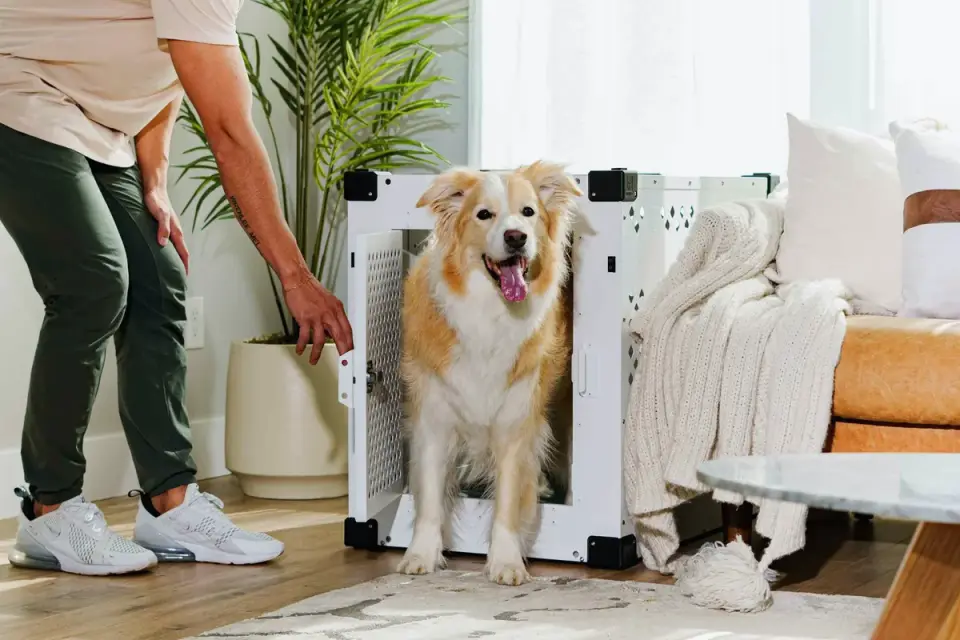
Miniature American Shepherd. Similar herding style in a smaller package, often 20–40 pounds. Easier to house and transport, but still a herder that needs training and movement. A better fit when you want the Aussie-type brain with lower space and exercise costs, including for Best Dog Breeds for Apartment Living shortlists where activity can still be met outdoors.
Flock guardians that work on their own
Anatolian Shepherd Dog. Bred in Turkey to stay with livestock and assess threats independently. Calm at home with family, reserved and territorial with strangers, and very strong. The United Kennel Club standards emphasize working independence and protective instinct, which means early socialization, secure fencing, and realistic expectations about visitors and other dogs.
Caucasian Shepherd Dog. Even larger and more formidable, developed to guard property and flocks in harsh conditions. Heavy coat, heavy shedding seasons, nocturnal barking, and a low tolerance for unfamiliar people or animals. Suited only to rural, experienced homes with containment and a plan for veterinary handling and grooming.
Health planning matters for both groups, but for different reasons. Large, fast-growing herding breeds and giant guardians both benefit from careful growth, weight control, and joint screening. The Orthopedic Foundation for Animals maintains public databases for hip, elbow, cardiac, and other recommended tests that responsible breeders use and puppy buyers can ask to see. I do not diagnose cardiac disease by breed alone — echocardiography, rhythm assessment, and exam findings guide that decision — and I hedge breed-risk statements until I see trial or registry data.
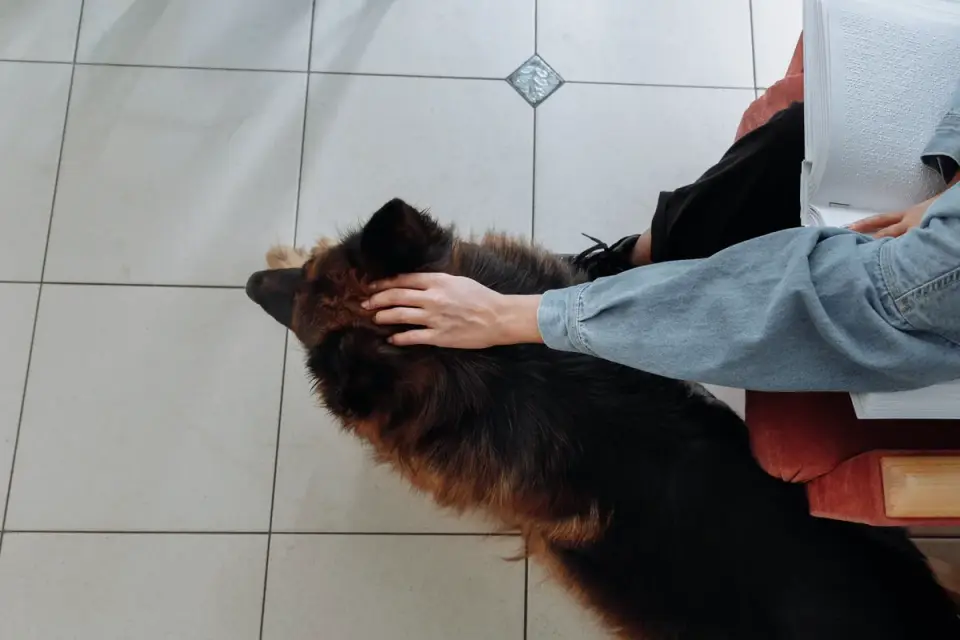
How to choose without choosing the wrong shepherd
Ask what the dog was selected to do without you. If the answer is take direction all day, plan to provide direction all day. If the answer is make decisions alone, plan to manage independent decisions about strangers, fences, and noise.
Apartment or close-neighbor home with shared halls? Most guardian shepherds will struggle with constant stranger traffic and barking complaints. High-energy household that wants a training partner for runs, hikes, and classes? A herding shepherd fits better, especially if destructive chewing has eased in past dogs once you found an exercise and training routine that suited her. For more on that need for work, see Which High-Energy Dog Breeds Need a Job to Stay Happy?.
Talk with your vet about size, exercise limits during growth, grooming load, and temperament testing. Meet adult dogs of the breed, not just puppies, because dogs mellow at different paces and the calm adult you meet is a better preview than the puppy in front of you.
Frequently asked questions
Do all breeds with shepherd in the name herd sheep?
No. German, Belgian, and Australian types were selected to move livestock with a handler, while Anatolian and Caucasian types were selected to live with flocks and deter predators on their own.
Which shepherd type is easier for a first-time owner?
Generally a herding type like an Australian Shepherd or Miniature American Shepherd is easier than a giant guardian, but all shepherds need training, socialization, and daily exercise. Meet adults, ask about health testing, and confirm the time commitment with your vet.
Are shepherd breeds good apartment dogs?
Most are not ideal for small spaces because of size, barking, and exercise needs. A smaller herding breed with a firm outdoor exercise plan can work, while large guarding breeds usually need more space and quieter surroundings.
Sources
- American Kennel Club — American Kennel Club
- United Kennel Club — United Kennel Club
- Orthopedic Foundation for Animals — Orthopedic Foundation for Animals