If you want an American husky breed, choose a Siberian, Alaskan type, or mix only with high exercise time.
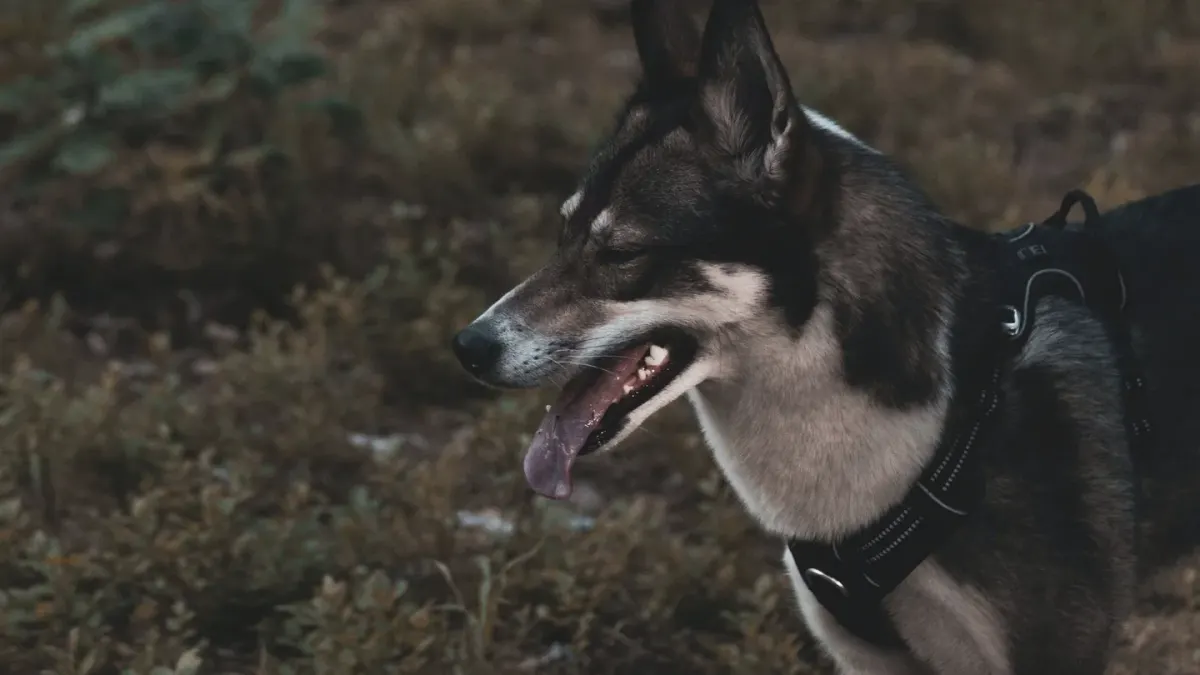
No kennel club recognizes an American husky as a distinct breed. Sellers use the term for Siberian Huskies bred in the United States, for Alaskan sled-dog types selected for work rather than appearance, or for husky mixes. Evidence comes before reassurance here: the label does not predict size, coat, temperament, or health. The underlying dog does. Ask which dogs produced the litter, and judge those dogs on records and behavior.
What sellers mean by American husky
Most listings fall into three groups. Sorting them matters more than the sales name.
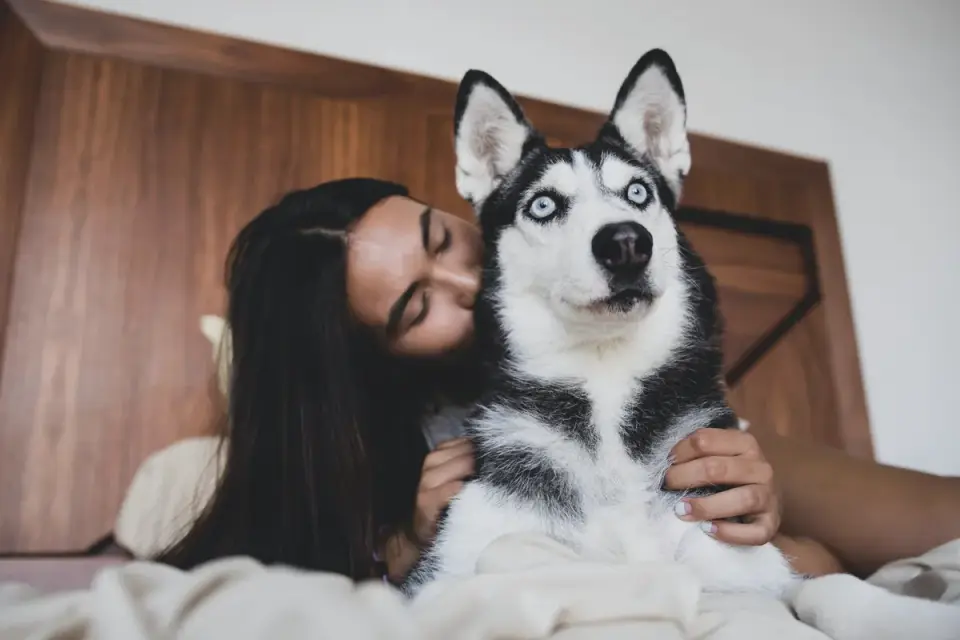
1. American-bred Siberian Husky. This is a purebred Siberian Husky. The American Kennel Club describes a medium-sized northern breed with an erect-eared, fox-brush tail, double coat, and an easy, outgoing temperament. Color and markings vary widely and do not indicate a separate breed.
2. Alaskan type. Alaskan sled dogs are a performance pool, not a closed breed. They are selected for endurance, appetite, feet, coat, and attitude. Appearance and adult size vary. Energy needs run high, and recall around wildlife is often poor without management.
3. Husky mix. Shepherd, Malamute, northern, or guardian mixes are often listed as American husky. Expect wider variation in size, shedding, guarding behavior, and exercise needs. A mix can be a good fit, but papers or appearance alone cannot confirm behavior.
How to verify what you are buying
Stabilize the decision with records, not photos. Request the breed or type of both parents, health screening results, age at placement, and a written return policy.
For a claimed Siberian, ask for pedigree and eye screening. The Orthopedic Foundation for Animals maintains the eye certification registry used in the United States, and Siberians have a known risk for hereditary cataracts and other eye conditions. A breeder should explain results plainly. Absence of screening does not prove disease, but it leaves risk unmeasured.
For an Alaskan type or mix, ask about work or activity history, containment, escape behavior, prey drive, and noise. Meet the mother when possible. Assess the individual puppy for handling tolerance, recovery after startle, and resource guarding around food and chews, while recognizing that puppy behavior predicts adult behavior only in part.
A useful framing note from owner reports: my dog takes a while to settle before eating a special treat or hiding it away. Slow settling around high-value food is common. Triage it as information. Manage with trade-up training, separate feeding spaces, and veterinary guidance if guarding escalates.
Daily care and household fit
Husky-type dogs were selected to run, pull, and live outdoors in cold climates. Pet care should match that workload.
Exercise and containment come first. Plan for sustained daily aerobic exercise, plus training and sniff or pull work. Many climb, dig, and roam. Secure fencing, locked gates, leash walking, and microchip identification reduce loss. Off-leash freedom depends on training and location, not breed loyalty.
Coat and heat need planning. The VCA Hospitals breed profile notes heavy seasonal shedding and a coat that insulates against cold but requires management in heat. Brush routinely, provide shade and water, limit midday exertion in summer, and never shave a double coat without veterinary direction. Supportive coat care supports skin health; it does not treat allergy, infection, or endocrine disease.
Training should be direct and consistent. Reward recall, loose-leash walking, and calm settling. Crate training helps with housetraining and safe rest. Most husky types vocalize. Apartment neighbors, shift workers, and light sleepers should weigh that trade-off. For broader housing limits, see Best Dog Breeds for Apartment Living.
Health expectations without overpromising
No type is healthier by sales name. Risk follows ancestry, body size, and screening. Published breed profiles list eye disease, hip dysplasia, and hypothyroidism among concerns evaluated in Siberians. Screening supports early detection. It does not guarantee a healthy dog, and supplements or diets do not treat diagnosed disease.
Ask your own veterinarian to review screening paperwork before purchase when possible. Bring questions about vaccination, parasite prevention, spay-neuter timing, weight, and exercise limits during growth. Individual dogs vary widely in temperament and health, even within one litter.
Which option fits which home
Choose a Siberian when you want a recognized breed with a written standard, predictable size range, and club events. Accept shedding, vocalization, and high exercise needs.
Consider an Alaskan type only with secure containment and time for daily running or pulling sports. These dogs often struggle as low-activity pets.
Consider a husky mix when you can tolerate uncertainty. Adult rescues offer an advantage: size, coat, and behavior are visible. Puppies of unknown parentage are harder to predict. For help weighing that choice, see Purebred vs Mixed-Breed Dogs: What to Consider and Dog Breed Care Guide: How Care Needs Actually Vary by Breed.
Decline a listing when the seller cannot name the parents’ breed or type, avoids health questions, offers no return, or pressures fast payment. A clear label, pedigree, and health history matter more than the phrase American husky.
Frequently asked questions
Is the American husky a real dog breed?
No. No major kennel club recognizes it. The name usually refers to an American-bred Siberian Husky, an Alaskan sled-dog type, or a husky mix.
What is the difference between an American husky and a Siberian Husky?
There is no separate standard. An American husky sold as purebred is typically a Siberian Husky bred in the U.S. Verify with pedigree and health screening.
Are American husky types good for first-time owners?
They can be demanding. Expect high exercise needs, shedding, vocalization, and escape behavior. Secure housing and daily training time are required.
Sources
- Siberian Husky Dog Breed Information — American Kennel Club
- Eye Certification — Orthopedic Foundation for Animals
- Siberian Husky — VCA Hospitals