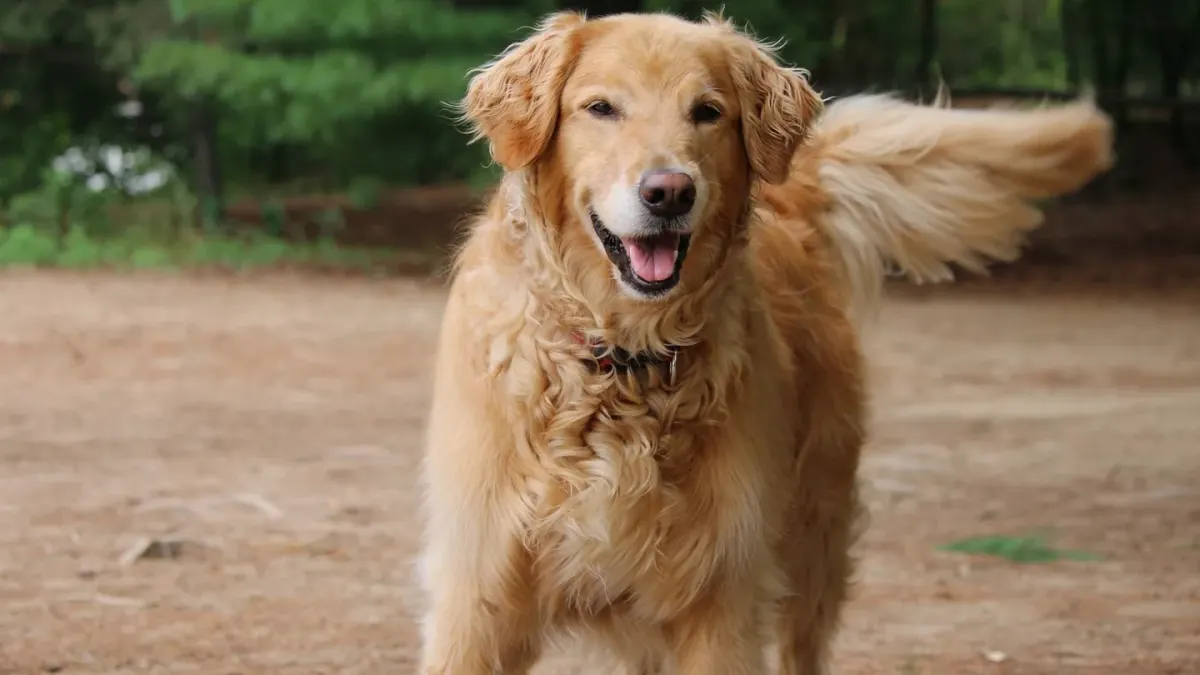
A couple arrives with a phone full of photos of glossy black puppies and one honest worry: will this dog actually fit our mornings, our stairs, our kids. In practice, that question matters far more than coat color, because behavior and daily care set the baseline for a good match. Vets often see color fade as a decision factor within the first month, once feeding, training, and exercise routines take over. Black coats photograph poorly in shelters, which is part of why adoption advocates talk about black-dog bias, but at home what you live with is energy level, sociability, and grooming needs. Individual dogs vary widely, even within a breed.
Look past the color to the daily routine
Black is common across very different types, from compact companion breeds to large working dogs. That range is exactly why color tells you so little about noise level, exercise needs, or comfort with strangers.
Start with three filters before you fall for a look:
Energy and job
Some black-coated breeds were selected for long working days — think Labrador Retriever, German Shepherd Dog, Portuguese Water Dog, and Standard Poodle. They tend to do best with 60 to 90 minutes of activity plus training time, and they get restless without a task. For help gauging that commitment, compare notes in Which High-Energy Dog Breeds Need a Job to Stay Happy?
Space and sociability
A calm, people-oriented dog can settle well in a smaller home if walks and enrichment are consistent. A reactive or vocal dog may struggle with hallway greetings and thin walls, whatever its size. If you rent, read Best Dog Breeds for Apartment Living with your floor plan in mind.
Coat care, not coat color
Curly and double coats need a schedule. Plan on regular brushing and professional grooming every 4 to 8 weeks for types like Poodles and Portuguese Water Dogs, and weekly brushing plus seasonal shedding management for Labradors and Newfoundlands. Allergy-conscious families should get clear on what shedding and dander mean first in Best Hypoallergenic Dog Breeds for Allergy Sufferers
Breed standards describe the usual pattern, not a promise.
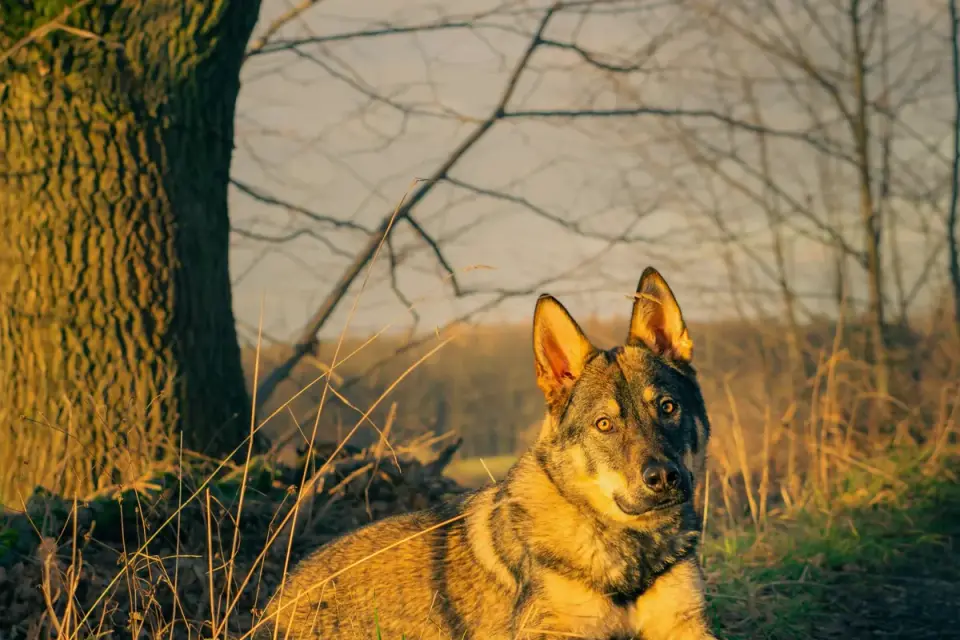
Black-coated breeds worth a closer look
Use these sketches as starting points, then meet individual dogs and talk with your own vet about health screening and preventive care.
For active, trainable partners
Labrador Retriever. Friendly, food-motivated, and steady with families that can offer daily exercise and training. The American Kennel Club breed standard emphasizes an even temperament and willingness to work, which is why Labs often thrive in retriever games, swimming, and nose work.
German Shepherd Dog. Loyal, observant, and quick to learn structure. They do best with clear routines, early socialization, and ongoing training, plus room to move and decompress.
Standard Poodle. Athletic and low-shedding, but not low-maintenance. Expect to keep up with coat care and mental work; in return you get a sensitive, highly trainable companion.
For steadier, lower-key homes
Newfoundland. Large, gentle, and famously patient when well socialized, though size, drool, and heat sensitivity are real trade-offs. Space and vehicle access matter more than yard size alone.
Cavalier-type companions in black. Smaller spaniel mixes and solid-black Cocker Spaniels can suit quieter homes that want closeness over endurance. Compare temperaments side by side in Cavalier King Charles Spaniel vs Cocker Spaniel: How I Actually Help Owners Choose
Grooming and veterinary costs scale with size.
What I tell families deciding between them
If you want an easy first filter, choose by weekday reality, not weekend fantasy. A high-drive puppy will still need training and exercise on your busiest Tuesday. VCA Animal Hospitals notes that matching activity level, time, and housing to the dog’s needs may help support long-term success, and that framing holds up in preventive practice.
My evidence-bounded position is simple: prioritize temperament and energy fit, then let color be a tiebreaker. The best reason to choose differently is lifestyle meaning — some owners feel deeply connected to rescuing an overlooked black shelter dog, and that motivation can sustain training. I still land on fit first, because commitment carries the dog through adolescence, when behavior needs peak.
Ask your vet about breed-relevant screening, weight baselines, and low-stress handling plans at the first visit. Bring a two-week schedule, not just photos, and let the schedule choose?
Frequently asked questions
Do black dogs have different temperaments because of their color?
No. Temperament follows breed background, socialization, and individual behavior, not coat color. Use energy level, sociability, and care needs to compare breeds.
Are black-coated breeds harder to photograph or adopt out?
Dark coats can be harder to photograph, which may affect first impressions online. Meet dogs in person and focus on behavior, health history, and fit for your home.
Sources
- Black Dog Breeds — American Kennel Club