The street was already popping at 8 p.m. when the panting started in the hallway, nails clicking from window to couch and back again while the owners debated whether to turn the TV up or take one more walk. I have watched that July evening loop many times, and it is why I reach for both the imaging study and the acupuncture needle when noise fear spikes. Calm during fireworks is not obedience. It is arousal physiology, and enrichment gives that physiology something predictable to do.
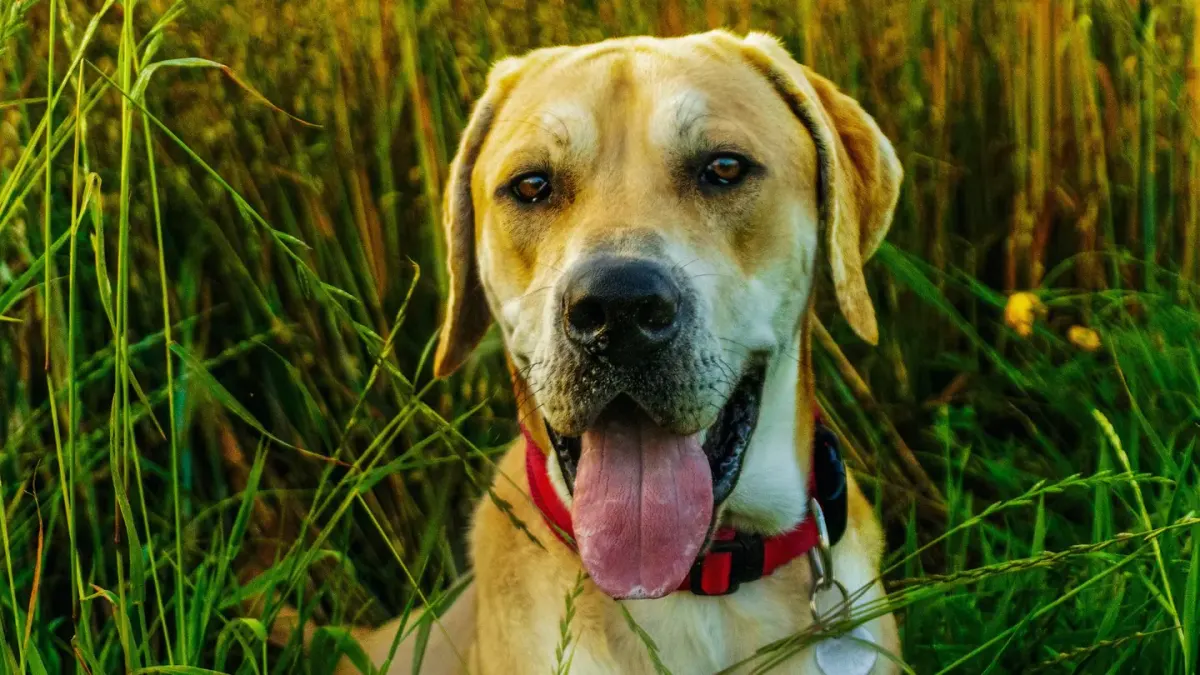
The five-year-old, 62-pound pit-type mix in that hallway tells the decision clearly. By 9 p.m. his respiratory rate was visibly fast, his tail tucked and his pacing loop had tightened to the interior hallway away from windows. His owners had frozen yogurt in a washable rubber toy and a snuffle mat loaded with kibble ready on the bathroom rug, interior room, fan on. By 9 p.m. he had settled into a sustained lick-chew pattern for 22 minutes without returning to the window, which let them keep lights low and handling minimal through the finale.
When the Sky Gets Loud, Give the Nose a Quieter Job
Loud, unpredictable sound drives sympathetic arousal. Heart rate climbs, muscles tense, and scanning behavior feeds itself. Sniffing, licking, and rhythmic chewing are thought to work through a different channel, engaging olfactory and oral sensory pathways that may help support steadier autonomic tone and shorter recovery between booms.
I stay anchored to how a modality is thought to work, not what it might cure. I do not expect a frozen toy to erase noise phobia. I do expect sustained licking or foraging to compete with vigilance, to slow respiration a little, and to pair the scary window with a familiar motor pattern the dog already knows.
Arousal drops faster when the mouth has a job.
The strongest counterargument is fair. Behavior specialists will say food puzzles are distraction, not treatment, and that true noise phobia needs desensitization, safe-haven training, and often anxiolytic medication prescribed ahead of time. They are right about severe cases. I still land on pre-loaded calming enrichment as the first move for most families because it is low risk, it can be started tonight, and it does not preclude medication or training. It builds the quiet routine those other tools need.
The Lick, Sniff, and Chew Menu That Lowers Pressure
Think in textures, not brands. A long lick surface smeared thin with peanut butter or wet food and frozen, a snuffle mat or grassy towel scattered with part of dinner, and a safe long-duration chew for dogs who chew without gulping. Freeze one option so it lasts through the peak half hour. Keep portions within the daily ration so sensitive stomachs do not pay for calm later.
Timing matters more than recipe. Start 30 to 45 minutes before expected noise, in the interior safe room with curtains drawn and background sound on. Guidance from the ASPCA also emphasizes a secure interior space, identification, and staying with noise-sensitive dogs during fireworks, which pairs well with enrichment rather than replacing it.
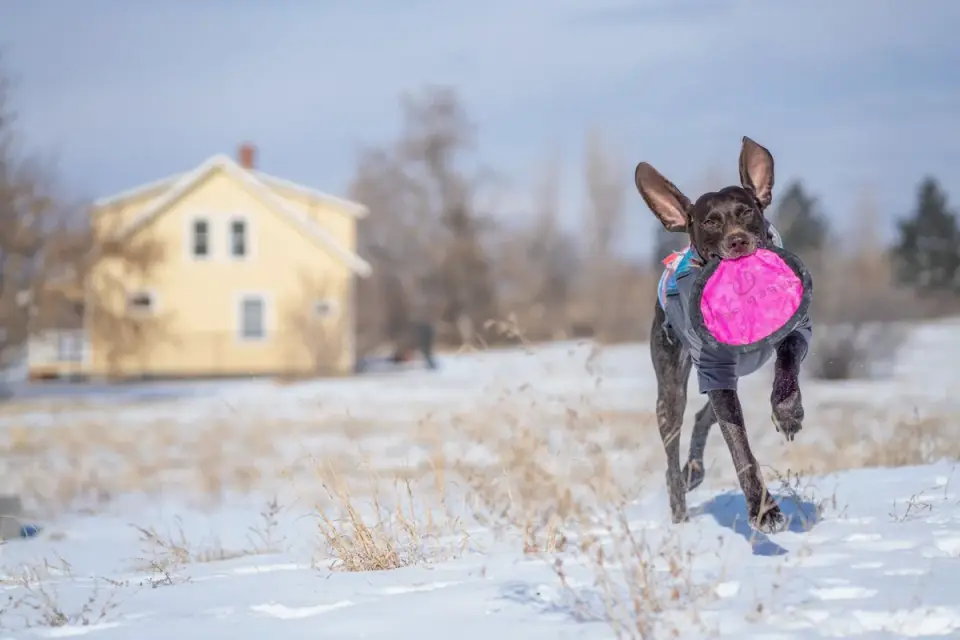
The three-year-old, 28-pound beagle mix shows where this fails. Ten days before the holiday his owner bought a complex sliding puzzle to tire him out, then brought it out only as the first mortars fired. By day 10 of practice he still pawed and barked at the locked sliders, and on the night itself he abandoned the board after four minutes and paced louder than before. His frustration had raised arousal instead of absorbing it. They switched to scattering kibble in a towel the next storm, and he foraged quietly for 14 minutes because the task matched his nose and needed no new learning under stress.
That tradeoff is central. Novel and difficult puzzles can frustrate a stressed brain. Familiar, easy, and sniffy usually wins on loud nights. Save the hard puzzle for a quiet afternoon. If you want help matching toy type to your dog, this breakdown of Food-Dispensing Toys vs. Treat Balls: Which One Actually Fits Your Dog lays out which designs favor licking versus chasing, and ideas for How to Mentally Tire a Dog That Can’t Exercise transfer well to a stay-inside storm plan.
When Calm Does Not Look Calm
Some dogs will not eat when fear peaks, and that is information. Do not coax, chase, or hold the toy in their face. Leave the lick mat down, dim the room, sit nearby without petting frantically, and let disengagement be allowed. The AVMA notes similar basics for July 4th, including keeping pets indoors and creating a comfortable hiding place, which is exactly where low-demand enrichment belongs.
The edge case I want owners to plan for is the old dog who hears less but feels more. An 11-year-old, 18-pound dachshund mix had largely slept through last year’s distant pops, yet this June thunderstorm brought trembling within six minutes as barometric pressure fell and floor vibration rose. By three weeks in of storm season his owner had moved his bed to a carpeted closet, added a frozen lick disk, and run the dryer for steady background vibration. He licked for 11 minutes during the next cell and then slept, not because hearing improved but because touch and routine filled the gap sound left.
Individual dogs vary widely in temperament and sensory loss, and senior dogs especially may need softer textures, lower salt, and shorter sessions. If panting, drooling, escape attempts, or refusal to eat escalate year to year, talk with your own veterinarian before the next forecast about whether behavioral medication should join enrichment.
So what will you have frozen and ready before the first boom?
Frequently asked questions
How early should I start calming enrichment before fireworks?
Start 30 to 45 minutes before expected noise in an interior room, so licking or sniffing is already underway when arousal would normally climb.
What if my dog will not touch food during storms?
Do not force it. Leave one easy option down, keep handling quiet, and let the dog use a hiding place. Loss of appetite under fear is common and a sign to keep demands low and follow up with your vet if it worsens.
Are puzzle toys or snuffle mats better for noise fear?
For most fearful dogs, familiar snuffle and lick tasks beat hard puzzles on loud nights because they require less new learning and are less likely to frustrate.
Sources
- July 4 Safety — AVMA