On this page
A Border Collie will learn your routine faster than you can teach it, then invent a job if you do not provide one. That is the core of border collie temperament: intense focus, motion sensitivity, and a need to work with a person, not just run in a yard.
The American Kennel Club describes the breed as energetic, smart, and work-oriented, and in practice that means a dog that reads body movement, stares, stalks, and wants to control movement. Individual dogs vary widely, and training, socialization, and health shape expression, but expect a partner who notices everything.
What Focus Really Looks Like At Home
That famous stare is not stubbornness. It is a herding motor pattern — eye, stalk, chase — selected to pause before gripping. In a living room it becomes freezing at the hallway, circling guests, or tracking the cat door to door.
This sensitivity is why Border Collies often learn cues in a few repetitions and also learn things you did not intend. Move your hand toward a pocket and you have cued a spin. Sigh before the leash and you have cued barking at the door. Consistency matters more than cleverness.
I tell owners to think of attention as a structure/function trait, not cardiac therapy and not a fixed behavior diagnosis. It supports work when channeled; it does not predict heart function, and it does not guarantee any single dog will herd, compete, or tolerate chaos. When I want trial data I look to published behavior research, and where evidence is thin I say so and rely on breed history and clinical observation.
A Job To Do, Not Just Exercise
Miles alone rarely settle this breed. A long off-leash run can build a fitter dog who still cannot rest in the house. What settles them is combined physical effort plus decision-making with you.
A workable weekday often includes 60 to 90 minutes of aerobic activity split across sessions, plus 15 to 30 minutes of training or puzzle work. That total lands near the 1 to 2 hours in the lead above, but adjust for age, joint health, heat, and your veterinarian’s guidance. Seniors, adolescents, and dogs recovering from injury need less intensity and more sniffing, shaping, and rest.
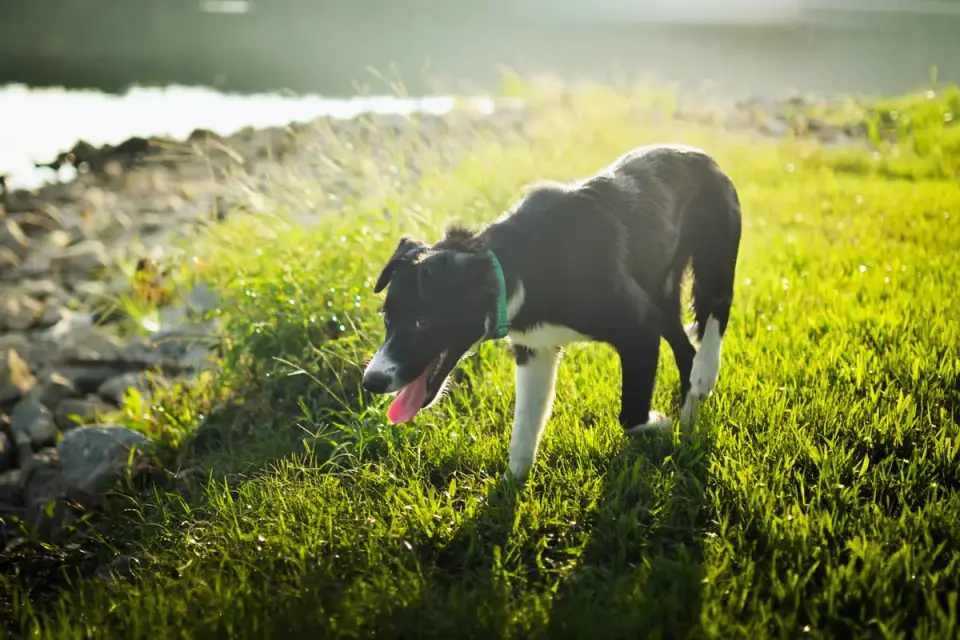
Good jobs for pet homes include trick training in short sets, food-puzzle rotations, nose work, treibball, agility foundations taught with positive methods, or structured herding lessons where available. The American Veterinary Society of Animal Behavior supports reward-based training and socialization approaches, which fit this soft, handler-sensitive breed especially well. Harsh corrections tend to suppress behavior without teaching an alternative, and many Collies shut down or escalate into nipping.
Teach an off-switch on purpose. Reward settling on a mat, enforce naps for puppies and adolescents, and keep arousal in a middle range. If you only reward speed, you get speed all evening.
Sound, Motion, And Sensitivity
Border Collies are motion and sound monitors. Skateboards, bikes, vacuum cleaners, running children, and other dogs sprinting at the park can all trigger chasing, barking, or herding. That does not mean aggression, but it does mean management.
Early, gradual socialization to household sounds, handling, car rides, and varied people helps, but flooding does not. Pair new experiences with distance and food, keep sessions short, and let the puppy choose to approach.
Many Collies are also environmentally sensitive — sensitive to tone of voice, schedule changes, and tension in the home. They do best with predictable cues, quiet praise for correct choices, and a crate or corner where no one bothers them.
If herding of kids is already happening, read Why Does My Border Collie Try to Herd the Kids for step-by-step management before it becomes a habit.
Living With People And Other Pets
With family, most Border Collies bond hard to one or two people and follow them room to room. They are often affectionate on their own terms — a head in the lap after work, not all-day cuddling during work. They can live well with respectful older children who can follow rules about gates, rest, and no chase games, but constant high-pitched running play tends to elicit nipping at heels.
With other dogs, play style matters. Many prefer chase-and-control games over wrestling. A herding-breed playmate or a calm adult dog is often a better match than a body-slamming adolescent. Cats and small mammals need slow introductions and never unsupervised access during the first months, because eye-stalk-chase is intrinsically rewarding.
Apartment life is difficult but not impossible; see Best Dog Breeds for Apartment Living for how space, sound, and schedule trade off. A ground-floor unit near trails with a committed training plan is very different from a busy stairwell with long alone hours.
Who Thrives, Who Struggles
This temperament fits a home that enjoys training as a hobby — someone home much of the day, access to fenced space or fields, and interest in a dog sport, hiking with manners, or farm work. It fits less well where the dog would be alone 9 to 10 hours, where daily training feels like a chore, or where noise complaints make barking and whining a housing risk.
If you are torn between similar herders, Border Collie vs Australian Shepherd: The Differences That Actually Change Your Day walks through energy, sensitivity, and handling differences. Household sex-related behavior questions are covered in Male vs. Female Dogs: Do Temperament Differences Actually Matter? — individual temperament and management usually matter more than sex.
Plan veterinary check-ins around life stages. Sudden changes in focus, sound sensitivity, or activity can reflect pain, thyroid disease, orthopedic injury, vision loss, or cognitive change, not disobedience. I distinguish cardiac signs — exercise intolerance, fainting, rapid breathing at rest, arrhythmia — from deconditioning or anxiety, and refer to echocardiography and trial-guided therapy when cardiac disease is suspected. For behavior, keep a brief log of sleep, exercise, triggers, and recovery time to share with your veterinarian.
Give this dog a predictable job, clear rest, and kind, consistent training, and the brilliance becomes usable. Without that structure, the same traits look demanding because, for this breed, they are.
Frequently asked questions
Are Border Collies good family dogs?
They can be for active, training-oriented families with older children and time for 1-2 hours of exercise plus mental work daily. Homes with long alone hours, noise limits, or constant chase play often struggle.
How much exercise does a Border Collie need?
Most adults do best with 60-90 minutes of aerobic activity plus 15-30 minutes of training or enrichment, adjusted for age, health, and weather. Mental work and rest training matter as much as miles.
Why does my Border Collie stare, stalk, or nip heels?
Those are fragments of the herding sequence. Redirect to a trained alternative, manage triggers with distance and gates, and reward calm disengagement. Ask your vet or a reward-based trainer if nipping persists.
Sources
- Border Collie Dog Breed Information — American Kennel Club
- AVSAB Position Statements — American Veterinary Society of Animal Behavior