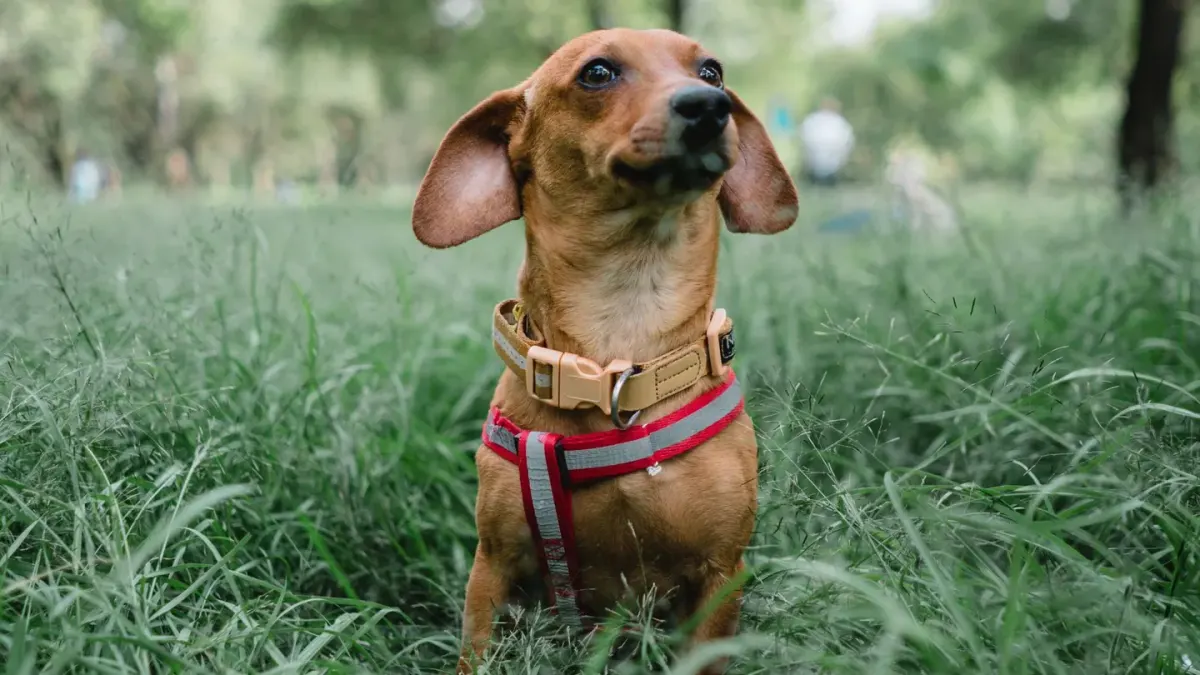
Large size does not equal high energy. Several giant and large breeds rest for long stretches indoors and prefer short walks to long runs. The trade-off is mass. Extra pounds stress joints, shorten tolerance for heat, and complicate handling.
Evidence comes before reassurance here. A calm temperament supports health. It does not treat disease. These dogs still need daily movement, measured food, and joint-aware routines. Individual dogs vary widely.
What big and lazy means in a house
Low energy in large breeds looks like long naps, slow greetings, and willingness to settle after a 20 to 30 minute walk. It does not mean no exercise. The American Kennel Club describes several mastiff-type and mountain breeds as gentle and steady indoors, yet notes their need for training, space, and consistent outings.
Size changes logistics. Doorways, stairs, vehicles, food volume, and leash leverage all matter more past 80 pounds. A dog that pulls at 25 pounds is annoying. The same behavior at 120 pounds is unsafe. Early leash skills and body handling are preventive care.
Weight control is central. VCA Animal Hospitals reports that excess weight worsens orthopedic disease, reduces stamina, and impairs heat tolerance, all common limits for heavy, calm breeds. Keep ribs easy to feel under light cover, record body weight monthly, and adjust portions rather than guessing.
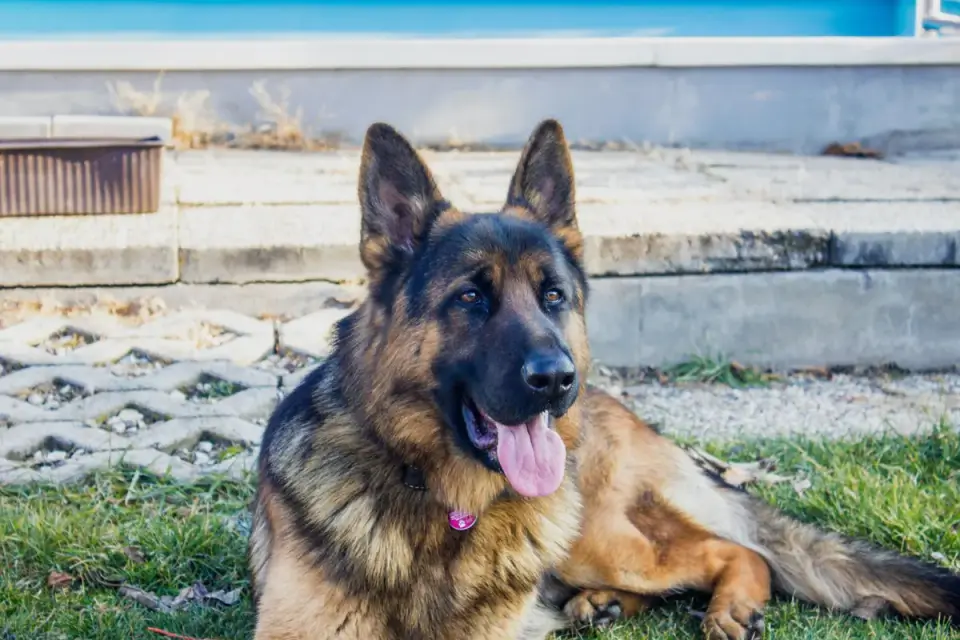
Breeds owners often mean
Great Dane. Tall, people-oriented, and often couch-bound after exercise. Needs room to stretch, non-slip flooring, and careful growth management as a young dog. Drool, tail clearance, and short lifespan are real trade-offs.
English Mastiff and Bullmastiff. Heavy, quiet guardians that tend to stay close to family. Short coats shed. Slobber, snoring, and heat sensitivity are expected. Training must address guarding tendencies and polite greeting behavior.
Newfoundland and Bernese Mountain Dog. Affectionate, steady, and often good with routine family life. Thick coats require regular brushing and shed seasonally. Heat limits exercise. Lifespan trends shorter in giant breeds.
Saint Bernard. Calm indoors with modest exercise needs. Size plus coat care plus drool make daily upkeep higher than temperament suggests. Stairs and hot climates are difficult.
Greyhound. Not giant, but large and famously restful indoors. Many retire to quiet homes well. Needs sprint outlets in safe enclosed areas, soft bedding for thin skin, and dental monitoring.
These are averages, not guarantees. Littermates differ. Health screening, early socialization, and adult behavior history predict fit better than breed label alone.
A patient of mine shows the pattern. Trooper, an 8-year-old neutered male Bernese Mountain Dog mix, lives with his owner Joann in Savannah, Georgia. Joann chose him for calm house behavior. By middle age he settled well indoors but rose slowly and tired in summer humidity. The plan was simple: shorter morning walks, weight checks, traction rugs, and veterinary assessment for stiffness. Calm did not mean low maintenance. It meant different maintenance.
Joint and daily care still apply
Large, restful dogs load joints every time they stand, climb, or ride in a car. The Merck Veterinary Manual notes that bone, joint, and muscle disorders in dogs often present as stiffness, lameness, or reluctance to rise, signs owners of heavy breeds should triage early rather than attribute to laziness.
Useful structure:
- Maintain lean weight. Measure meals. Limit high-calorie extras.
- Favor low-impact movement. Daily walks, gentle hills, and controlled stairs over weekend overexertion.
- Support traction and rest. Non-slip runners, orthopedic bed, ramp for vehicles.
- Train handling. Sit for harness, wait at doors, settle on mat, cooperative nail and ear care.
- Watch heat. Exercise in cool hours. Provide water and shade. Stop for heavy panting.
If lameness, swelling, sudden reluctance to walk, or breathing difficulty occurs, seek veterinary assessment. Supportive home care does not replace diagnosis.

How to choose without choosing only by breed
Match the dog to space, schedule, and strength. Renters should confirm weight limits and stair access; see Best Dog Breeds for Apartment Living. Allergy-prone households should weigh coat and shedding separately; see Best Hypoallergenic Dog Breeds for Allergy Sufferers. If you want more activity than these breeds offer, compare Which High-Energy Dog Breeds Need a Job to Stay Happy?.
Meet adult dogs when possible. Ask about leash manners, alone-time behavior, stairs, heat tolerance, and veterinary history. Budget for food, preventive care, and earlier senior screening. A calm giant fits a calm home best when the home is set up for weight.
Frequently asked questions
Are big lazy dog breeds good for first-time owners?
Some are, if the owner can handle size, training, and cost. Prioritize leash manners, alone-time behavior, and veterinary history over breed name, and confirm space and budget first.
How much exercise does a calm large breed need?
Most need at least one daily walk plus brief play and training, adjusted for age, weight, heat, and joint health. Your veterinarian should set limits if stiffness or lameness appears.
Do calm giant breeds have shorter lifespans?
Many giant breeds have shorter average lifespans than smaller breeds and earlier senior changes. Plan for lean weight, joint-aware routines, and regular veterinary checks.
Sources
- American Kennel Club — American Kennel Club
- Obesity in Dogs — VCA Animal Hospitals
- Introduction to Bone, Joint, and Muscle Disorders of Dogs — Merck Veterinary Manual