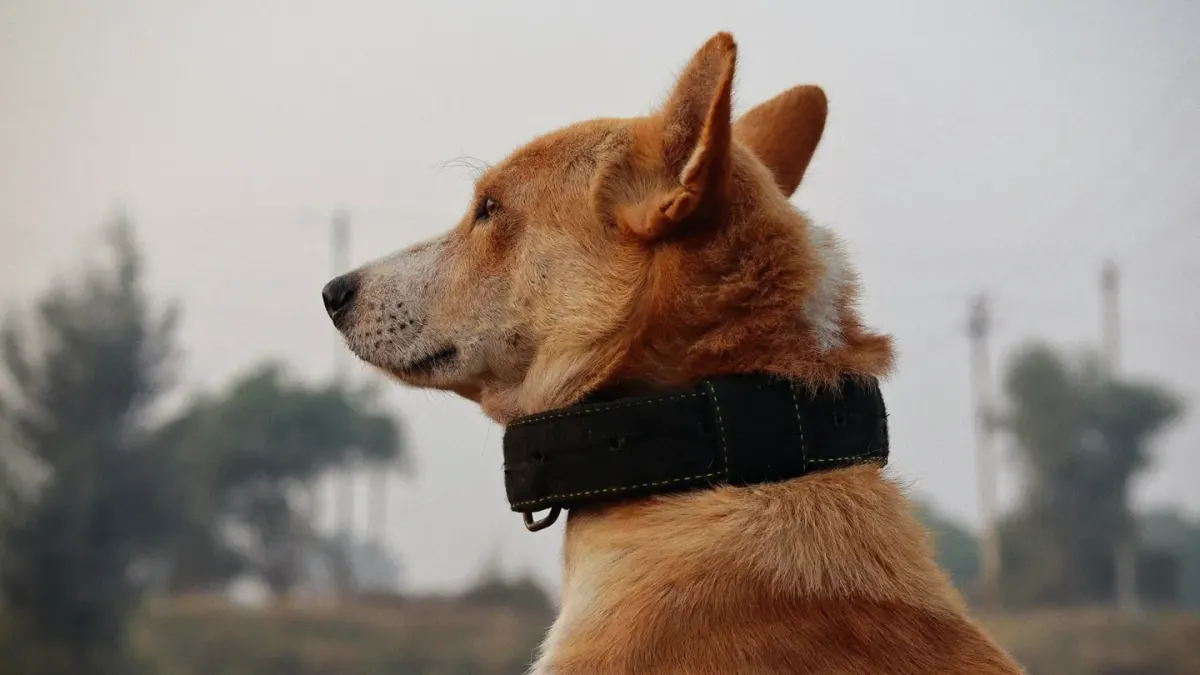
You scratch that favorite spot behind the ears and out comes a low, throaty grunt — half sigh, half happy groan. For most dogs, that sound during calm petting means they are settling, not complaining.
A 5-year-old neutered Boxer mix flops onto his side on the living room rug while his owner rubs his chest after dinner. Within 30 seconds his eyes soften to slits, his hind leg gives two lazy thumps, and he lets out a deep grunt on each long exhale. The owner worried the noise meant breathing trouble, but the pattern was consistent: loose body, slow wag, and grunts only during a 10-minute evening cuddle. When petting stopped, he nudged the hand back for more.
Quick checklist: happy grunt or something else?
- Body stays loose: soft eyes, relaxed jaw, weight leaning into you
- Timing fits relaxation: grunt comes on the exhale as they melt down
- They ask for more: nudging, pawing gently, rolling to show belly
- Pause test passes: stop for 5 seconds and they re-engage
- No new stiffness, limping, coughing, or appetite change
- Context stays calm: resting, bedtime, slow chest or ear rubs — not rough play
If most boxes check yes, you are likely hearing pleasure. If several check no, read on.
What a contentment grunt actually is
Think of it as an involuntary exhale with voice added. Dogs sigh when they settle, and grunting is often that same letting-go breath with a little throat vibration. Brachycephalic breeds, seniors, and large, deep-chested dogs do it more because their airways and chest walls move more air with effort.
In my exam room, I watch breathing first and sound second. Guidance from the Merck Veterinary Manual describes relaxed social behavior in dogs as loose posture and affiliative contact, which lines up with what owners report: the dog seeks touch, then exhales audibly. The American Kennel Club makes a similar point about reading the whole body rather than one sound in isolation.
That is why I counsel expectation first. A soft grunt with a wiggly body is baseline happy communication for many dogs. Individual dogs vary widely, and some are simply more vocal than others.
When the same sound means “that hurts” or “I’m uneasy”
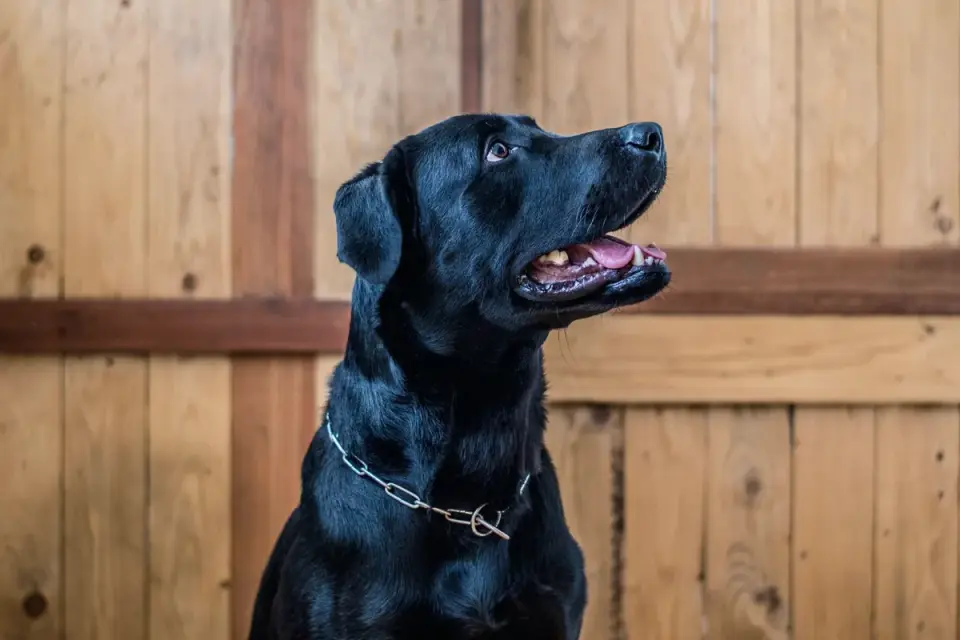
Grunts are not always happy. The failed approach I see is owners assuming every noise is joy and petting harder. One case sticks with me: a 9-year-old Labrador-type dog, about 78 pounds, who had always been quiet for petting. Over three walks totaling roughly 4 miles that week, he started grunting when touched along the lower back and shifting away after two or three strokes. The owner kept rubbing, thinking he wanted more.
On exam he flinched on lumbar pressure, rose slowly from a sit, and had shortened strides behind. This was not contentment. Pain-related grunts tend to be sharper, shorter, and paired with tension — closed mouth, whale eye, ears pinned, freezing, moving away, or a sudden head turn. If petting a specific spot always triggers the sound, stop and note it.
Learn the difference between a growl with a clear warning function and a relaxed grunt by reviewing Why Does My Dog Growl When I Pet Him? and Barrier Frustration vs Aggression: What’s the Difference?. Growls deserve space. Grunts deserve context.
Breed, age, and nose shape change the baseline
Pugs, Bulldogs, Boxers, Mastiffs, and other short-muzzled dogs grunt and snort at rest because of airway anatomy. That does not make every noise normal, but it raises their everyday sound level. Puppies grunt while nursing and kneading, then often outgrow the noisiest phase. Seniors grunt more when rising, lying down, or being helped up — joints are stiffer and settling takes work.
Attention-seeking can also play a role. Some dogs learn that a dramatic sigh-grunt earns another minute of scratches, so they repeat it. That is not manipulation in a bad sense. It is learning.
Watch breathing effort, not just volume. Resources from VCA Hospitals remind owners to look at posture, tail, ears, and tension together, which helps separate a sleepy groan from labored breathing.
That distinction matters.
How I test it in 30 seconds at home
Use low-stress handling and let the dog vote.
Pet slowly for 10 seconds in their favorite spot, then stop completely with hands in your lap. A comfortable dog stays soft, sighs, or nudges back within 5 seconds. An uncomfortable dog moves away, shakes off, licks lips repeatedly, yawns tightly, or shows a hard stare. Respect the no.
Keep notes for your vet if the pattern changed: when it started, which area triggers it, whether it happens at rest or only with touch, and any coughing, snorting, exercise intolerance, limping, or night restlessness. A video of 20–30 seconds helps more than a description.
A senior Beagle mix I followed illustrates the bend in the usual advice. She was 13, with a heart murmur and arthritis, and her evening routine was a slow 50-yard stroll to the mailbox and back followed by couch time. Her owner expected the classic “more petting equals more grunts equals happy” rule. Instead, chest rubs after the walk produced a wet-sounding grunt and a head lift, while the same rubs an hour later produced a soft sigh and a lean-in. We changed the order: rest first, water, 15 minutes of quiet, then gentle petting without pressing the chest. The noisy grunts faded because timing, not affection, was the trigger.
When to call your vet
Most petting grunts need nothing except continued good scratches. Call sooner if grunting is new and persistent, tied to one body area, paired with pain signs, or paired with breathing changes such as rapid rate at rest, effortful belly pushing, pale or blue-tinged gums, fainting, or persistent cough. Seniors, flat-faced breeds, and dogs with known heart or airway disease deserve a lower threshold.
Bring baseline details: age, weight trends, activity, appetite, sleep, and what has changed in the past two to four weeks. That baseline makes the visit faster and more accurate.
Prevention still wins. Keep weight lean, keep nails and bedding comfortable, use ramps for stiff seniors, and keep petting sessions short and invitational rather than long and restraining. The goal is not a silent dog. The goal is a dog whose sounds you can read.
For dogs who get mouthy or wiggly during handling rather than grunt, the approach in How to Stop Puppy Biting and Mouthing helps keep hands calm and sessions positive. If chewing or restlessness spikes when you leave, compare notes with Is My Dog Chewing Out of Boredom or Anxiety?.
You will hear that happy grunt again tonight. Check the body, run the pause test, and enjoy it for what it usually is — a dog telling you this is exactly right.
Frequently asked questions
Why does my dog grunt when I pet him while he is lying down?
Lying down invites deep exhales, so grunts often mean he is relaxing into the touch. Look for soft eyes, loose muscles, and leaning in. Tense posture or moving away points more toward discomfort.
Is grunting different from groaning or sighing?
They overlap. Sighs are usually quiet exhales at rest, groans are longer vocal settling sounds, and grunts are shorter, throatier bursts. Body language matters more than the label.
Should I worry if an older dog just started grunting when touched?
A new grunt in a senior, especially tied to one spot or paired with stiffness, limping, coughing, or reduced play, warrants a vet check. Bring a short video and note when it happens.
Sources
- Normal Social Behavior in Dogs — Merck Veterinary Manual
- Dog Body Language — American Kennel Club