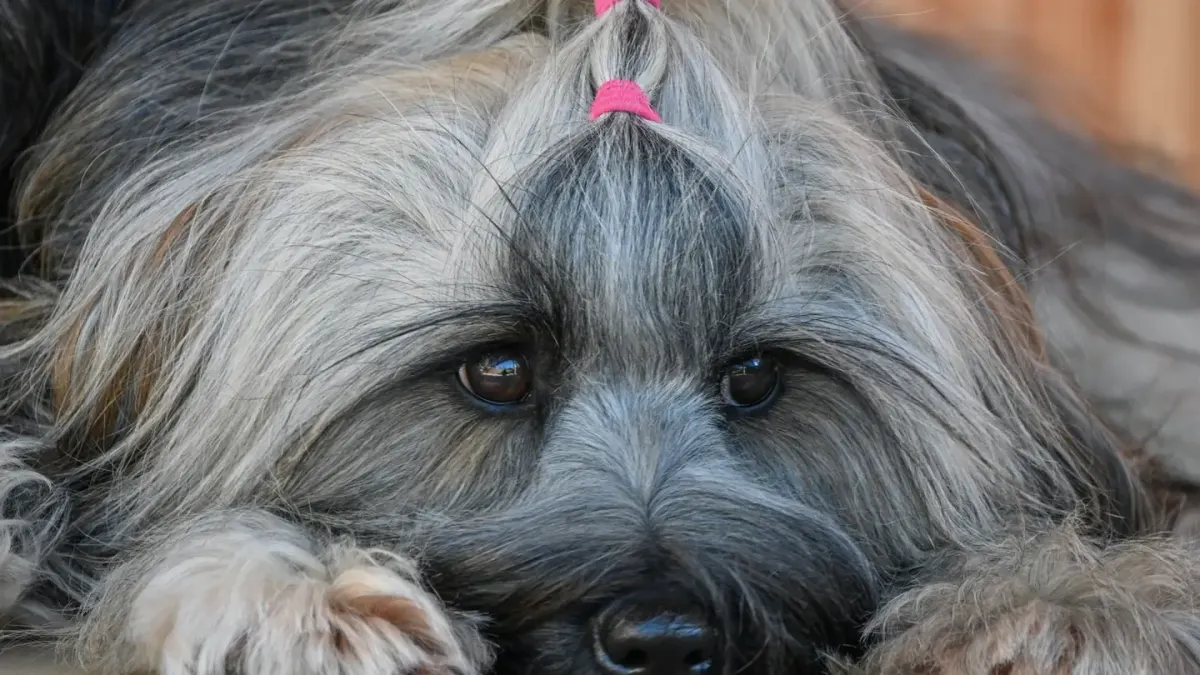
Milo’s owner carried him into the lobby in a towel, half-apologizing before she even reached the counter. He was a 14-week-old fluffy mix, 11 weeks past his breeder bath, and she worried he was too young, too wiggly, and too late on shots to be there at all. In day-to-day practice I hear that same worry every spring, and it is usually misplaced. Most first visits are not full haircuts at all — they are short, positive introductions where the puppy meets the table, the dryer noise, and gentle handling.
That first puppy was damp from a rainy 0.4-mile walk to the clinic that morning, and his owner had counted just two baths at home since adoption. She wanted to know whether to ask for a full groom or just a tidy, whether his itchy ears meant infection, and how long he would be away from her. Those are exactly the right questions. A good first appointment answers them in order, keeps the puppy under threshold, and sends you home with a plan for next time.
A week before: set up the win at home
Touch practice beats a pep talk
For five minutes a day, touch ears, lift lips, hold each paw, and run a comb through the armpits and behind the ears where mats start. Pair each touch with a treat and stop while your dog still wants more. The American Kennel Club notes that routine brushing and handling between professional visits helps prevent matting and keeps dogs comfortable with grooming, which matches what I see in practice.
Vaccines, age, and timing
Most salons ask for age-appropriate core vaccines, often including rabies and Bordetella, and many prefer puppies have had at least two rounds before a salon visit. Call ahead and bring records. Waiting until 6 months for a first introduction usually backfires — coat tangles set in and fear sticks harder.
What to tell the salon when you book
Share breed or mix, age, weight, vaccine status, any skin itching or ear odor, bite history, and what you want: bath and tidy, face-feet-sanitary trim, or just an introductory visit. Ask how long puppies usually stay, whether they crate-dry or hand-dry, and what they do if a puppy gets overwhelmed.
Drop-off day: what check-in actually looks like
The lobby smelled like warm shampoo and wet Shih Tzu. A stocky 5-month-old spaniel mix, all 42 pounds of him, leaned hard against his owner’s legs while she filled out the intake form. She admitted she had brushed him exactly once in three weeks, and the receptionist found a tight mat behind each ear in under a minute. The owner had hoped a bath would loosen them, and asked the groomer to just shave everything short to start fresh. That tradeoff sounds efficient, but on a matted puppy it often means a longer, warmer, more uncomfortable first experience than anyone planned.
Plan for a 10- to 15-minute check-in. Expect the groomer to feel through the coat, look in the ears, ask about fleas, allergies, seizures, and sensitivities to dryers, and confirm the trim with their hands, not just words. Bring a flat collar or harness and leash, vaccination proof, and your usual brush if you have one. Skip a big breakfast right before; a light meal 2 to 3 hours earlier helps prevent carsick drool and stress vomiting.
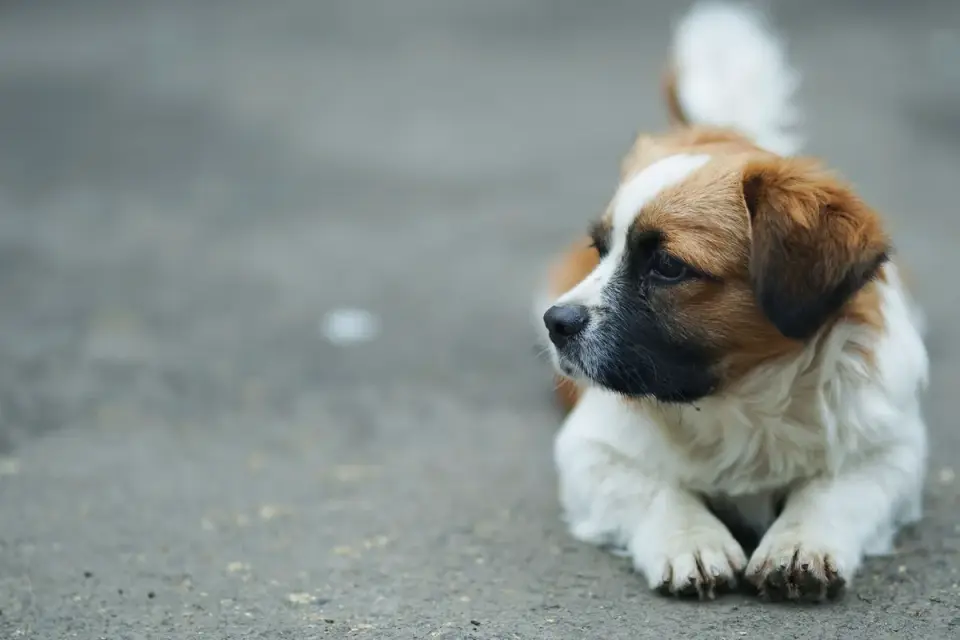
During the visit: the order of events
Bath, ears, and nails first
Most first visits run bath first, then a low-heat dry, then nails and a light tidy. Water should be lukewarm, shampoo pH-balanced for dogs, and eyes and ear canals protected from flooding. Nails are usually clipped short of the quick, then filed smooth. If your dog panics at the dryer, a good groomer will pause, lower airflow, or switch to towel and kennel drying rather than pushing through.
Drying matters more than the haircut
Puppies lose heat fast and startle at high-velocity dryers. Expect fluff-drying with brushing in sections, with breaks. This is where home practice pays off — a puppy that has heard a hair dryer from across the room for treats will hold still twice as long.
The actual trim is smaller than you think
For a first appointment, “full groom” often means rounded feet, trimmed eye corners, cleaned sanitary area, and neatened edges — not a breed-pattern cut. Full body clipping on a nervous puppy is usually split across two visits. That restraint supports skin comfort and keeps associations positive.
Fear matters here. Low-stress handling guidance from Fear Free Pets emphasizes reading body language, offering breaks, and avoiding flooding, and good salons follow that logic even if they do not use the label. If your dog freezes, whale-eyes, or tries to climb off the table, expect the groomer to stop and shorten the plan.
Pickup: what normal looks like
Your puppy may come home tired, a little damp around the ruff, and smelling faintly of shampoo. Mild sleepiness that evening is normal.
Ask three things at pickup: how did he do with dryer and nails, were there any mats, red spots, or ear debris to watch, and what should we practice before next time. If nails bled slightly, it looks dramatic but usually stops quickly with styptic powder — ask if it happened so you are not surprised.
If you want to split routine care between visits, this breakdown of At-Home Grooming vs a Professional Groomer: How to Split the Job helps you decide what to handle yourself and what to leave to the salon. For coat types that mat fast, the tool primer in Essential Dog Grooming Tools for Beginners is a practical next read.
When the usual script has to bend
Late last fall an owner brought in a 9-month-old rescue terrier who had missed the early socialization window and spent three nights barking at the sound of the bathroom fan at her apartment. She assumed a mobile van would be calmer than a salon, and asked whether sedation from her vet beforehand would just make it easier. We bent the plan instead: a 20-minute meet-and-greet with no bath, treats on the table, nails on a second short visit, and a bath only on visit three. By splitting the sequence, the dog learned each piece separately.
That approach fits preventive-care thinking. The American Veterinary Medical Association reminds owners that regular grooming and skin checks are part of basic preventive care, but frequency and setting should fit the individual dog. Anxious adolescents, seniors with arthritis, and brachycephalic breeds often do better with shorter appointments, non-slip mats, and extra drying breaks. Individual dogs vary widely, so tell the groomer what you see at home.
Short visits build long tolerance.
For size-specific coat and handling differences, Grooming Needs by Dog Size: Small vs Large Breeds is a useful follow-up, especially if your puppy is headed for 60-plus pounds and a taller table.
Frequently asked questions
How old should a puppy be for the first grooming appointment?
Many groomers accept puppies after their first rounds of vaccines, often around 12 to 16 weeks, for an introductory bath and tidy. Confirm vaccine rules with the salon and your vet, since requirements vary.
How long does a first grooming visit take?
A puppy intro or bath-and-tidy often takes 1 to 2 hours including drying, while a full haircut can take longer. Ask for a time window at drop-off and leave a phone number where you can be reached.
Should I stay and watch the first groom?
Most salons ask owners to leave because puppies focus and settle better without their person in sight. If you are anxious, ask for updates by text and a debrief at pickup.
What if my puppy is scared of the dryer?
Tell the groomer in advance. Expect lower airflow, more distance, towel-drying breaks, and possibly a shortened plan. Practice dryer noise at home in short, treat-paired sessions between visits.
Sources
- Reducing Fear in Veterinary and Grooming Visits — Fear Free Pets
- Pet Care Basics — American Veterinary Medical Association