On this page
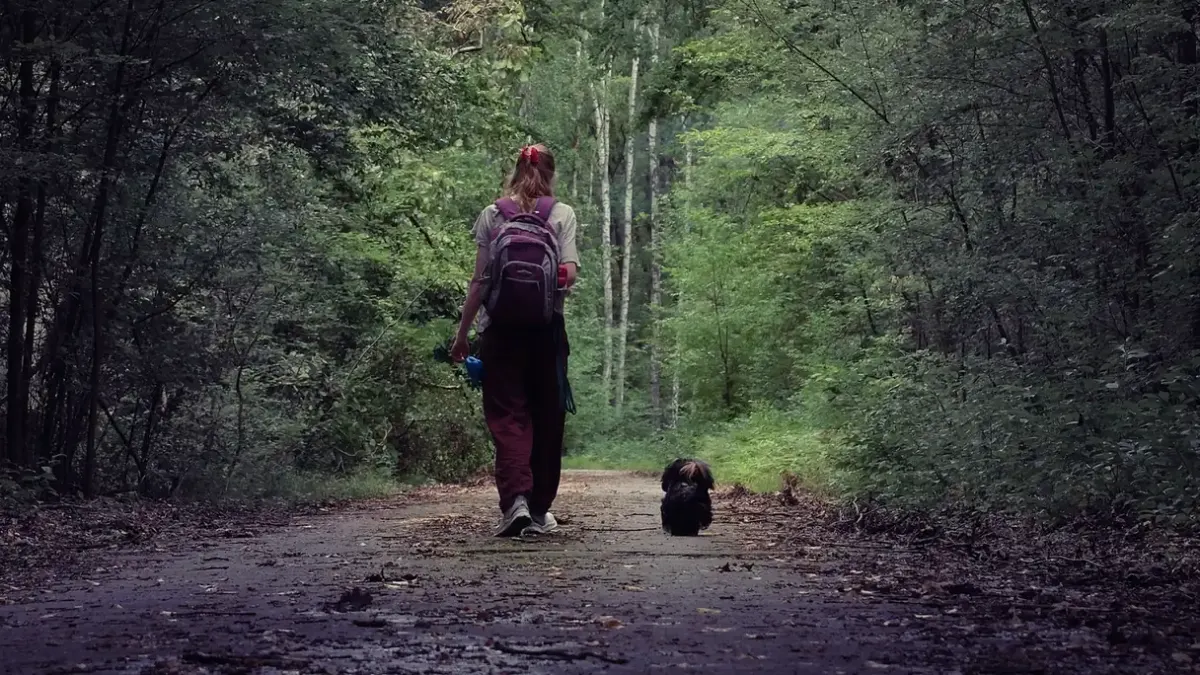
Your living room sits quiet at 7 p.m., rug underfoot, treat pouch on the counter. You say sit, and your 5-month-old shepherd mix drops into place in under two seconds, eyes locked on you. You try the same cue on the apartment sidewalk the next morning, dated April 12 on your training notes, and she stares past you at a pigeon. Same word, same hand signal, same treat. The dog in front of you looks like she has never heard it. That gap is normal, and it tells us exactly where to restart.
That disconnect is not defiance. Dogs learn in context, and kitchens have low noise, familiar smells, and short distances. Sidewalks add movement, scent, space, and arousal. Expect latency to double outside at first. Your baseline indoors is real progress; it just has not traveled yet.
The kitchen is not the park
Check health and handling baseline before you add difficulty. A tired, sore, fearful, or over-threshold dog cannot learn. Keep sessions to 3 to 5 minutes, work on a flat collar or harness with a 6-foot leash, and quit while your dog can still succeed. Individual dogs vary widely in temperament and sensitivity, so read the dog in front of you.
I counsel owners to expect this order: acquire the skill inside, then re-teach it in easier outdoor slices. The American Veterinary Society of Animal Behavior supports reward-based methods that keep arousal low and protect welfare during that re-teaching.
Reinforcement history matters here. Behaviors that earn consistent, high-value pay inside will compete better outside. For a refresher on timing and delivery, review How to Use a Training Treat Pouch Effectively.
Lower the bar before you raise the distraction
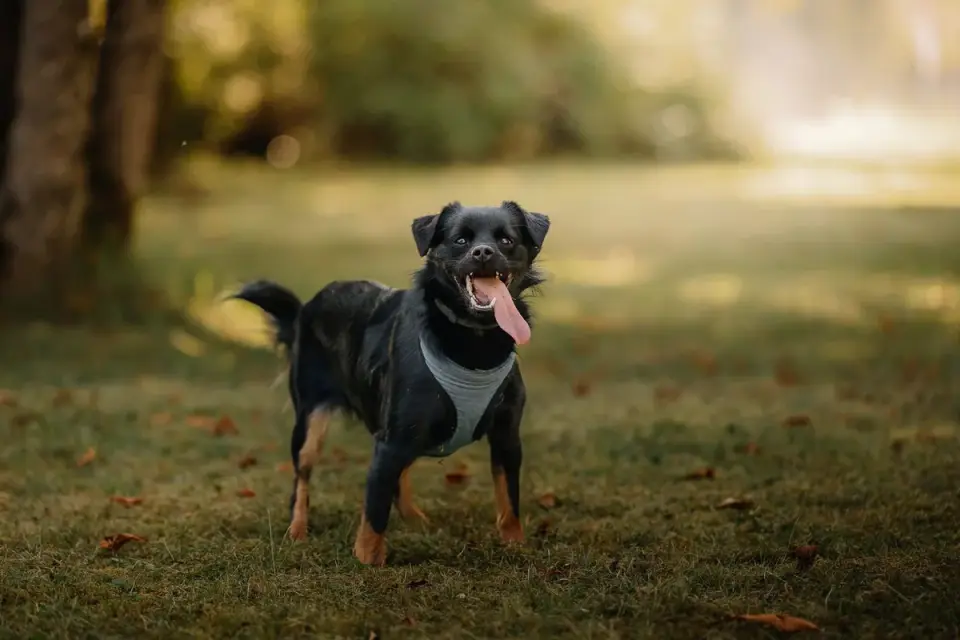
Go back to kindergarten the moment you step out the door. Ask for one easy rep, reward fast, and release.
Start 20 to 30 feet from the busy path, not on it. Use a quiet cul-de-sac, driveway, or courtyard corner. Stand still, cue one sit or touch, mark and pay within one second, then take a sniff break. Do three reps, then walk away.
We tried that driveway plan with a 2-year-old, 48-pound mixed-breed dog who held a perfect down-stay in the living room for two minutes. Outside, I made the classic mistake and asked for the full two minutes near a dog park fence. He broke in four seconds, barked, then stopped taking chicken entirely. Over three walks I kept pushing duration instead of distance, and his latency got worse, not better. He needed fewer demands and more space. The tradeoff was clear: my pride in the indoor stay was costing us the outdoor stay.
Short sessions protect learning. If you are unsure how brief to go, see How Long Should a Training Session Be to Tire the Brain?.
Reward placement builds position. Pay sits at your side, recall through your legs, loose leash by your knee.
Make outside pay better than inside ever did
Outside has to pay like overtime. Use small, soft, smelly rewards you do not use indoors, deliver two to three pieces for hard reps, and mix in play, sniffing, and movement as pay.
Practice this sequence:
- Name the distraction level. Quiet yard is level one. Sidewalk at noon is level five.
- Drop criteria one step. Lure again if you need to. Speed of response matters more than style right now.
- Mark one correct choice. Yes or click, then feed at the spot you want.
- Add distance from triggers before you add duration to cues.
- End after a win. Five good reps beat fifteen sloppy ones.
A long line can give you training room without losing safety when you practice recall or check-ins at the park edge. I explain the setup in Long Line vs. Retractable Leash for Training: What Actually Belongs on Your Dog.
Keep handling low-stress. Loose leash, angled approaches, and permission to sniff may help support focus better than tightening up and repeating the cue louder.
The American Kennel Club reminds owners to train in new places in small steps, which matches what we see in practice: generalization takes repetitions across locations.
When my usual plan is the wrong plan
Here is where I bend my own rule. I usually tell families to train through mild distraction with better rewards. That advice fails for the dog who is frightened outside.
We worked with an 8-month-old terrier type adopted two weeks earlier who took treats in the kitchen but froze on the third-floor landing. Over six nights of trying to lure her down the stairs with cheese, her tail stayed tucked and she ate nothing past the second step. Pushing reps was flooding, not training. We stopped obedience entirely for ten days, switched to sitting on the landing and tossing treats back toward the apartment, and let her choose to approach the stairwell. Her world had to feel safe before cues could mean anything.
If your dog will not eat, yawns, lip-licks, pants, tucks, bolts, or barks continuously outdoors, pause formal cues. Create distance, let the dog watch from where the body stays loose, and talk with your veterinarian about fear, pain, or referral to a qualified behavior professional. Fear Free Happy Homes offers owner-friendly guidance on recognizing stress signals and keeping handling low-stress.
Still stuck after two weeks of easier setups? Change format, not effort. A private session or well-run class can spot handler timing you cannot feel. Compare options in Group Classes vs. Private vs. Online Dog Training: What Actually Fits Your Dog’s Stage.
What would change if you treated outside like day one again?
Frequently asked questions
Why does my dog listen perfectly indoors but ignore me outside?
The cue has not generalized. Outdoors adds distance, scent, movement, and arousal that compete with learned behavior. Re-teach the same skill in easier outdoor spots with higher-value rewards and shorter criteria.
Should I use stricter corrections when my dog blows me off outside?
No. Raising pressure usually raises arousal and erodes trust. Lower distraction, shorten the task, increase reward value, and build repetitions where your dog can succeed.
How long does it take to get reliable behavior outdoors?
Expect weeks of short sessions across several locations, not days. Progress moves in layers — distance from triggers first, then duration and precision. If fear or aggression appears, pause and get professional guidance.
Sources
- Humane Dog Training Position Statement — American Veterinary Society of Animal Behavior
- Basic Dog Training Tips — American Kennel Club
- Stress and Body Language Resources — Fear Free Happy Homes