On this page
Angela in Pembroke Pines, Florida, was counting down the weeks with Sloane, her 3-month-old intact female Doberman Pinscher, wondering if she should wait until all shots were finished before signing up for obedience. Sloane already jumped on guests, tugged the leash for a full block, and practiced her bark at 6 a.m., and Angela worried formal training might be too much too soon.
In practice, waiting is usually the bigger risk. Home lessons can begin at 8 weeks, and a well-run puppy class can begin around the same time, once your own vet confirms what protection Sloane has and what is safe in your area. Vets often see that delay lets jumping, mouthing, and pulling get rehearsed hundreds of times before anyone teaches an alternative.
Why 8 to 16 Weeks Matters Most
This early window is when puppies learn fastest about people, dogs, sounds, and handling. The American Veterinary Society of Animal Behavior notes that incomplete vaccination should not keep a socialization-sensitive puppy isolated, as long as the setup is clean, age-matched, and supervised.
That does not mean a free-for-all at the dog park. It means short, positive exposures paired with food, play, and rest. Think name recognition, sit for greeting, trading objects, collar touches, crate naps, and calm handling for ears, teeth, and nails.
Early does not mean harsh. Puppies at this age learn through brief repetitions and rewards, which supports focus and may help maintain a willingness to work. Keep home practice to a few minutes at a time — guidance on how long a training session should be to tire the brain can help you stop while your puppy is still succeeding.
What Your Vet Needs to Clear First
Vaccines matter, and individual dogs vary. Most puppies start a series at 6 to 8 weeks with boosters every few weeks, and your vet decides when group settings are reasonable based on local risk. The American Animal Hospital Association outlines that core vaccine schedule and why timing and boosters count.
Ask your vet two practical questions: is my puppy ready for a clean indoor puppy class, and what precautions make sense until the series is complete? Reputable trainers will ask for vaccine records, require age-appropriate shots, disinfect floors and props, keep class sizes small, and exclude sick dogs.
Avoid high-traffic pet stores, dog parks, and unknown-dog greetings until cleared. A puppy kindergarten with known, healthy puppies is a different risk level.
What Good Early Obedience Actually Teaches
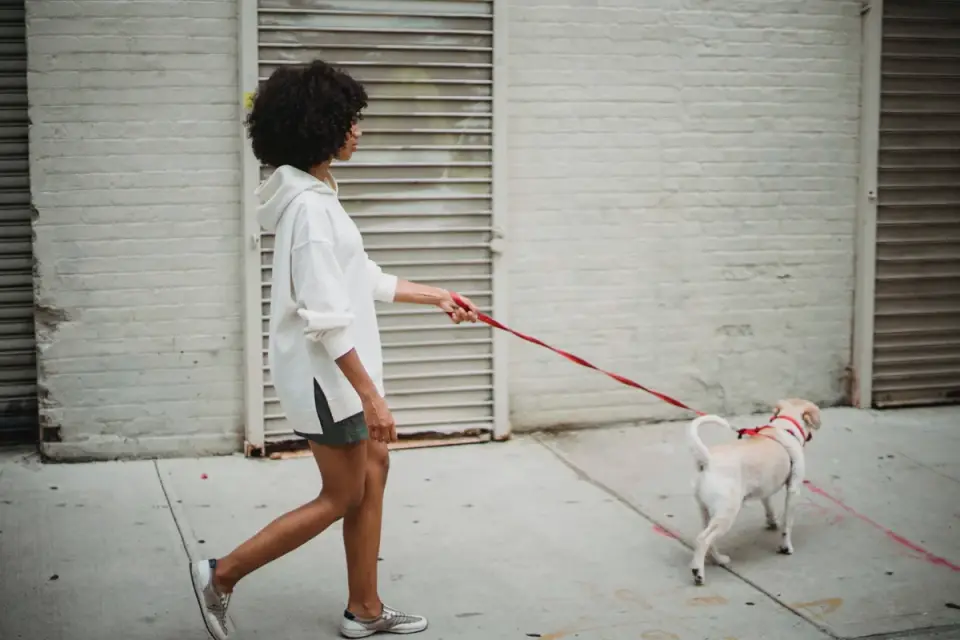
Forget perfect heelwork at 10 weeks. A good puppy class teaches life skills: pay attention to your name, sit instead of jumping, come when called indoors, walk on a loose leash for short distances, settle on a mat, and trade items without a chase.
The American Kennel Club describes a similar progression from socialization and name recognition toward short leash walks and recall foundations, then more formal manners as attention span grows.
Bring a treat pouch and plain, pea-sized rewards so timing stays sharp. This walkthrough for how to use a training treat pouch effectively shows how delivery position shapes sit, down, and loose-leash habits.
Prevention is the quiet benefit. A puppy that practices sitting for hellos 20 times in class is less likely to rehearse jumping at home.
When Waiting Makes Sense
There is one good reason to pause group class: illness, a known exposure, or a vet’s specific hold for a vulnerable puppy. In that case, do not pause learning.
Teach at home with short daily reps, invite one healthy, vaccinated adult dog for calm parallel time if your vet approves, and practice handling, crate rest, and sound exposures at low volume. If leash pressure is already a battle, compare tools before your habits harden — this explainer on long line vs. retractable leash for training lays out what belongs on a young puppy.
Hansel, a 9-month-old intact male Dachshund from Murfreesboro, Tennessee, shows the other side. Owner Alexandra waited until adolescence to seek help, after 6 months of pulling and barking on walks. Private sessions still helped, but the plan took 8 weeks of twice-daily 5-minute reps to replace patterns an early class could have shaped in the first month.
Early help is easier than repair.
How to Pick a Class Without Overthinking It
Look for positive-reinforcement methods, food and play rewards, puppies grouped by age and size, clean indoor space, and a trainer who coaches owners as much as dogs. Ask how they handle fear, mouthing, and barking — you want breaks, distance, and redirection, not corrections that frighten a young puppy.
Not sure between formats? This comparison of group classes vs. private vs. online training maps which stage each format fits best. For most healthy 8- to 16-week-old puppies, a small group puppy class plus 3 to 5 minutes of home practice twice daily is the sweet spot.
Prevention evidence is still growing in places, and trainers differ on details. Where the evidence is thin, I favor what keeps the puppy calm, willing, and wanting the next rep.
Start early, keep it kind, and let your vet set the health boundaries. Your future adolescent dog will thank you.
For related context, read A Puppy Potty-Training Schedule That Works.
For related context, read Group Classes vs. Private vs. Online Dog Training: What Actually Fits Your Dog’s Stage.
Frequently asked questions
Can a puppy start obedience before all vaccines are done?
Often yes, with vet approval. Choose a clean indoor puppy class that checks records, limits age and size, and excludes sick dogs, and avoid dog parks and high-traffic areas until your vet clears them.
What should an 8- to 12-week-old puppy learn first?
Name attention, sit for greeting, recall games indoors, trading objects, handling for grooming, crate rest, and short loose-leash walks. Keep sessions to a few minutes and end on a win.
Is 9 months too late for obedience training?
No. Adolescent dogs still learn well, but rehearsed habits take longer to replace. Expect several weeks of short daily practice and consider private coaching if barking, pulling, or reactivity is established.
Sources
- Puppy Socialization Position Statement — American Veterinary Society of Animal Behavior
- 2022 AAHA Canine Vaccination Guidelines — American Animal Hospital Association