On this page
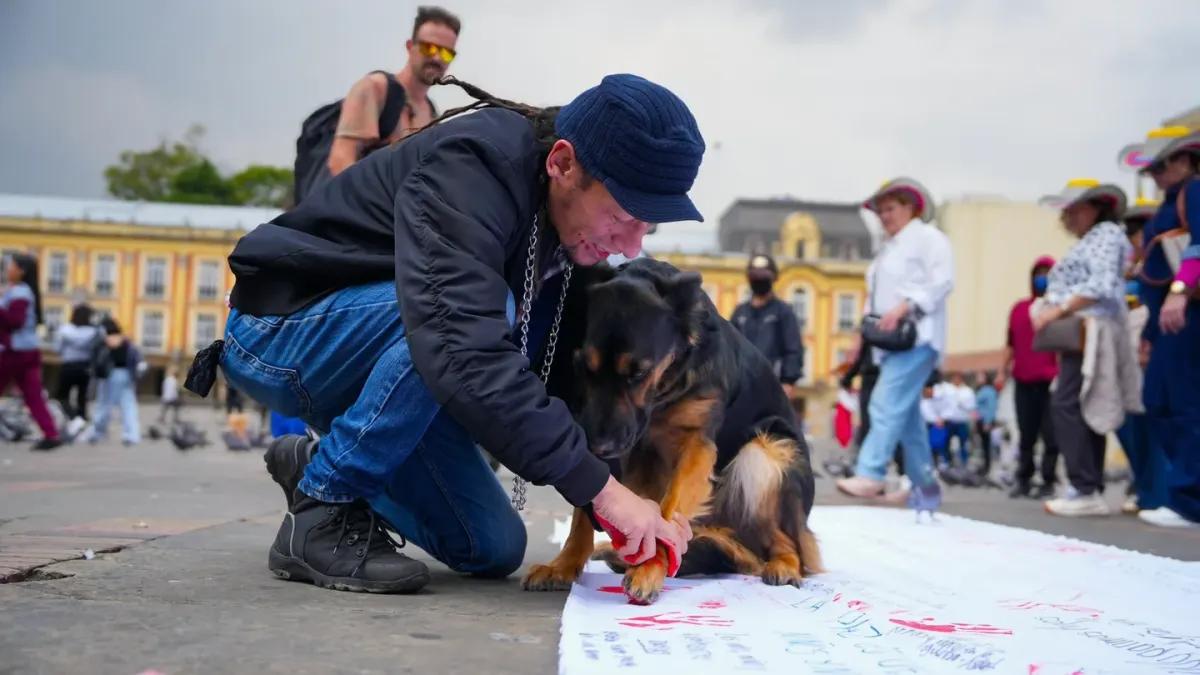
Set a baseline in your first session: reward your dog for choosing the slack line, and let forward motion stop each time pulling starts to pay.
Jeremiah adopted Pompom, a 4-year-old neutered male Bernedoodle in Lexington-Fayette, Kentucky, who dragged toward every greeting. In practice, vets often see this pattern in strong, social adults. Jeremiah shifted to 10-minute sessions on a quiet block, marking and treating Pompom for staying within a 4-foot bubble, and progress returned within two weeks.
Pay for position before you ask for distance
Start indoors or in a driveway. Hold the leash with soft hands, say nothing, and step forward. The moment your dog looks up or steps into heel range with a loose leash, mark with “yes” and deliver a pea-sized treat at your pant seam. Repeat 15 to 20 reps.
Keep criteria low at first. You are building a reinforcement history for slack, not testing obedience. The American Veterinary Society of Animal Behavior supports reward-based methods that protect welfare and learning, and loose-leash work fits that model well.
Short sessions prevent frustration for both ends of the leash.
Use stillness when the leash goes tight
Walk at a normal pace. When you feel tension, plant your feet. Wait for any softening — a glance back, a weight shift, one step toward you — then mark, reward in position, and move again.
Do not yank back or reel your dog in. Leash pressure is information, not punishment. If your dog cannot disengage after 5 seconds, increase distance from the trigger or reset with a cheerful “this way” and a few steps away.
The AKC outlines a similar stop-and-reward sequence for beginners, with treats for staying close and pauses when the dog forges ahead. For related pulling mechanics, see How to Stop a Dog From Pulling on the Leash.
Add turns and check-ins before longer walks
Once your dog can offer 8 to 10 seconds of slack, add movement skills:
- Reward check-ins. Mark eye contact on walks, even uncued, and pay at your side.
- Practice penalty turns. When pulling starts, calmly turn 180 degrees and walk three steps the other way, then reward the follow.
- Name one sniff spot per block. Cue “go sniff” on a loose leash, then cue “let’s go” to resume walking.
Keep equipment simple and fitted while you train. A flat collar or front-clip harness may help support comfort and control, but neither teaches the skill alone. The Whole Dog Journal describes loose-leash walking as handler timing plus consistent consequences, not equipment pressure. See also Long Line vs. Retractable Leash for Training: What Actually Belongs on Your Dog.
When this plan is the wrong fit
This reward-the-slack approach suits most adolescents and adult pets, with realistic timelines of three to six weeks for neighborhood reliability. Individual dogs vary widely in pace and triggers.
Pause this plan and change tactics if your dog lunges, barks, or freezes at people or dogs and cannot take treats. That pattern suggests fear or reactivity, not rudeness. Increase distance, keep walks short and predictable, and ask your veterinarian for a referral to a qualified behavior professional for a tailored plan.
For puppies still learning house routines, pair leash work with short, consistent practice blocks like A Puppy Potty-Training Schedule That Works.
Expect maintenance. Behavior follows reinforcement, so keep paying for slack on a random schedule even after walks look good.
Frequently asked questions
How long should a loose-leash training session be?
Keep sessions to 5 to 10 minutes, one to three times daily. End while your dog can still succeed and pay for slack often.
Should I stop or turn when my dog pulls?
Stop first. If stopping alone does not restore slack within a few seconds, add a calm turn away and reward your dog for rejoining you.
Sources
- Position Statements — American Veterinary Society of Animal Behavior
- Loose-Leash Walking — Whole Dog Journal