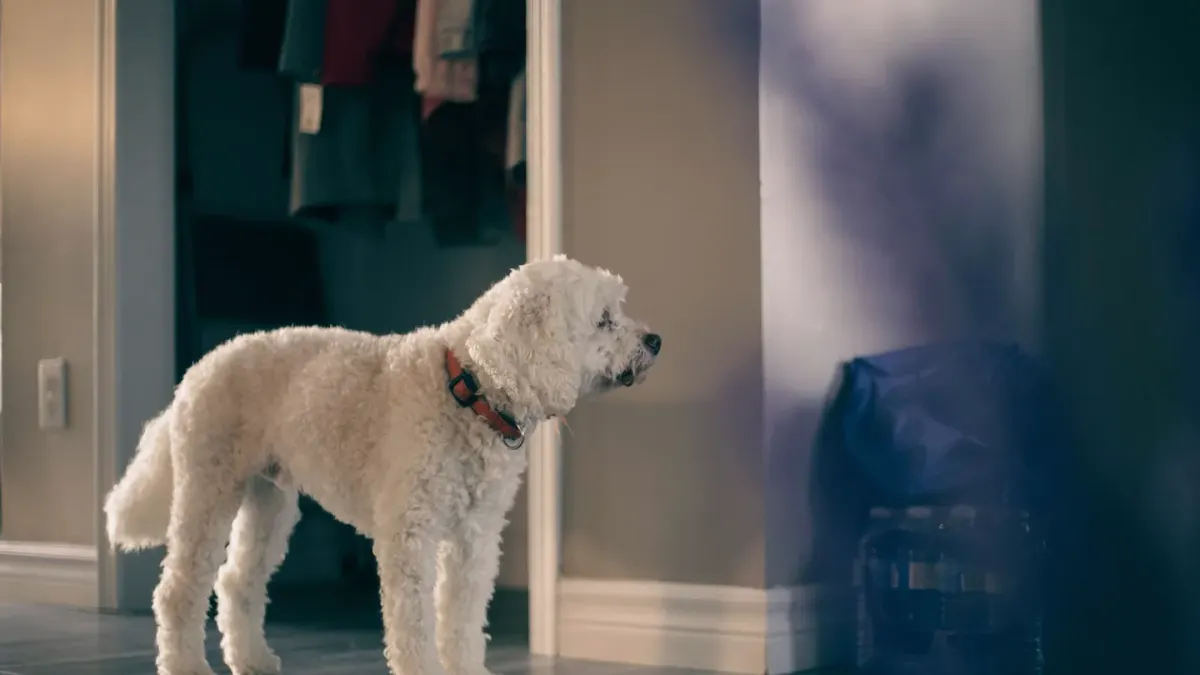
You are doing everything right and still getting teeth on your knuckles. Sit is there one minute, then your 14-month-old, 62-pound Lab mix spots the treat pouch, lunges forward, and your cue dissolves into a scramble. You were three weeks in to a solid evening routine in the kitchen, five minutes after dinner, and the marker word you had been shaping so carefully now just predicts mugging. In that moment most owners face the same choice I counsel them through: keep feeding through the chaos and hope manners appear, or pause and rebuild how the reward shows up in the first place.
That pause is the lesson.
When the hand becomes the target
Dogs grab because grabbing has worked. Movement, scent on your fingers, and a late reward all teach the mouth to chase the hand rather than wait for information. High arousal narrows that further, especially in adolescents and food-driven breeds, and individual dogs vary widely in how quickly they tip over.
My baseline recommendation is expectation first: teach that a closed, still hand predicts nothing until you mark and deliver. This aligns with the reward-based approach described by the American Veterinary Society of Animal Behavior, which supports minimizing fear and frustration while reinforcing desired behavior, and it may help support calmer repetition over time. The strongest counterargument is that you should just correct the grab with a knee, leash pop, or loud “no” to stop it fast. I understand the appeal, but I still land on management plus mechanics because intimidation may suppress the lunge in the moment while leaving arousal and confusion intact for the next rep.
Practical setup matters as much as philosophy. Keep treats in a pouch or jar behind you — our guide to How to Use a Training Treat Pouch Effectively walks through placement — and work with pea-sized, lower-value kibble or soft bits that do not require a big chomp. Present one treat between thumb and palm, fist closed, hand at your ribs. Mark the instant of stillness, then move the treat to the mouth like room service, not a prize to be seized.
Re-teaching a gentle take without stalling progress
I tried the shortcut version myself with a composite case owners will recognize: a 2-year-old, 38-pound spaniel mix who had learned to snatch cheese from fingertips during recall practice in the hallway. By day 10 the owner had switched to pinching the cheese higher, pulling away at the last second, and repeating “gentle, gentle, gentle” while the dog jumped higher each time. The tradeoff was clear — bigger dodges created bigger lunges, the cue lost meaning, and sessions ended with both of them frustrated before the third rep. What changed it was not a better word but boring mechanics: hand still at the chest, mark for a nose pause, toss the treat to the floor away from fingers. Within a week of short reps the dog started waiting for the toss instead of chasing skin.
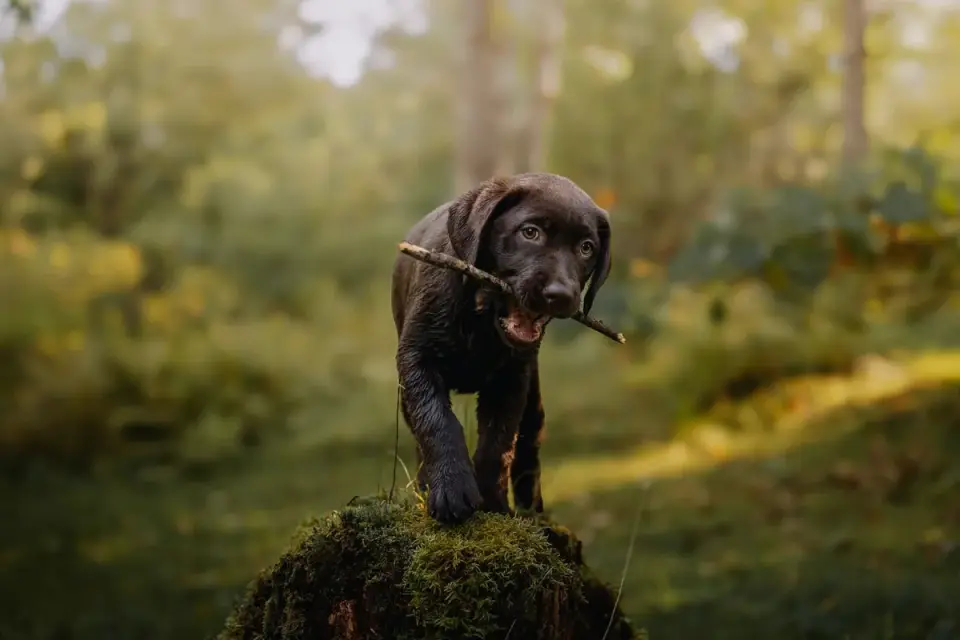
Use that same reset. If teeth touch skin, close, go still, and count one breath before you re-present. Do not chase the mouth with the treat or re-cue rapidly. Keep sessions short — the principles in How Long Should a Training Session Be to Tire the Brain? apply here — and end while taking is still soft. General training foundations like those summarized by the ASPCA emphasize short, positive repetitions, and that structure may help support focus without over-arousal.
For dogs that fixate on hands specifically, add a hand-signal bridge from How to Train a Deaf Dog With Hand Signals. An open-palm signal held at your shoulder gives eyes somewhere to go besides your fingers, which lowers crowding around the reward hand.
The edge case that changes the plan
Not every grabby dog is just excited. A 4-year-old, 18-pound terrier mix came in with a new pattern: polite takes for months, then sudden hard mouthing at evening sessions about three weeks in to a new apartment. The owner assumed stubbornness, but the observable shift was timing and context — lip licking, turning away from chicken, then snapping at the hand only after 7 p.m. That cluster points away from a training problem and toward discomfort, fatigue, or a value problem, and behavior-modification guidance such as that in the Merck Veterinary Manual reminds us to consider underlying motivation and health when behavior changes suddenly. We lowered criteria, switched to lower-value rewards, moved sessions to morning, and asked her regular vet to check teeth and gut. The take softened once the context changed.
Take the same lesson home. If grabbing is sudden, one-sided, paired with drooling, pawing at the face, skipping meals, or growling when touched, pause training and call your vet rather than drilling “gentle.”
Start tomorrow with this order: still hand, mark stillness, deliver away from fingers, quit early. Expect clean takes to wobble before they stabilize, especially in young, high-energy dogs.
Frequently asked questions
Should I punish my dog for grabbing treats?
I do not recommend it. Stillness and withholding the treat teach more cleanly than a scold or leash correction, and they keep frustration low so learning can continue.
What treats work best for grabby dogs?
Small, soft, lower-value pieces you can deliver quickly. Save cheese, hot dog, and freeze-dried meat for calm delivery to a bowl or the floor once manners are steady.
When should I call the vet about treat grabbing?
If grabbing is sudden, worsening, or paired with drooling, appetite change, face rubbing, or sensitivity around the mouth, pause training and schedule a checkup.
Sources
- Humane Dog Training Position Statement — American Veterinary Society of Animal Behavior