Stanley dreaded the corner past the park in Raleigh, because Couscous, his 11-year-old Greyhound mix, would lock onto a squirrel scent and surge to the end of the leash in two strides. The leash did not teach Couscous anything in that moment — it just kept everyone safe while Stanley learned to reward the three calm steps before the surge.
That is the whole job of a training leash for dogs that pull: safety and support while training does the teaching.
The checklist I want owners to tape to the fridge
- Fixed-length leash, 4 to 6 feet, with a padded handle you can hold without wrapping
- Well-fitted front-clip harness or flat collar as the everyday connection point
- Treat pouch and pea-sized rewards for marking loose-leash steps right away
- Practice spot with low distraction first, then add distance, duration, and distraction slowly
- Fit check before every walk: two fingers under straps, no rubbing at armpits or throat
- Stop or turn plan for pulling, used calmly and consistently by everyone who walks the dog
- Avoid tools that tighten, pinch, or shock to stop pulling
If you can check those boxes, you have what you need. The rest is repetition.
A fixed leash keeps your timing honest
For daily training, I like a plain 4- to 6-foot leash made of nylon, leather, or biothane with a secure clasp. It gives a dog room to walk beside you without giving enough slack for a running start, which supports steady leash manners.
Long lines and retractable leashes have a different job. Our explainer on long line versus retractable leash walks through why variable length makes it harder for a dog to learn where the reward zone is. Save those tools for sniff breaks and recall practice in open space, not for loose-leash lessons on the sidewalk.
Keep the handle in one hand and treats in the other. Do not wrap extra leash around your palm.
The harness or collar is a connector, not a correction
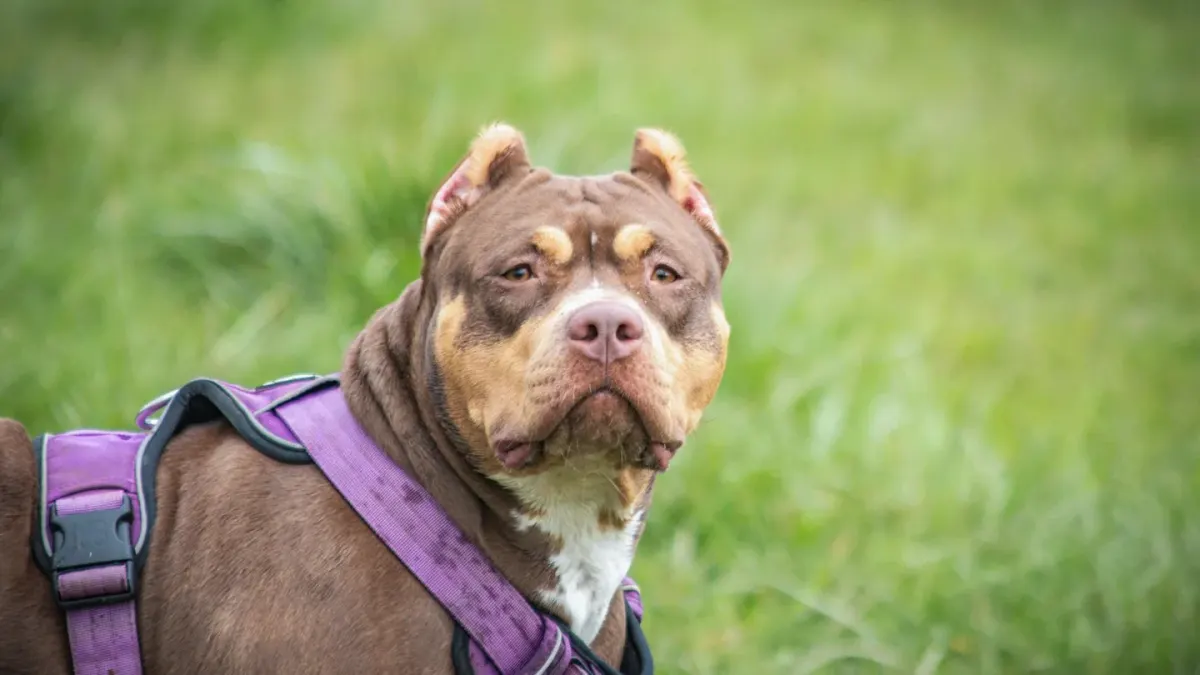
A front-clip harness may help maintain comfortable control for strong pullers because pressure spreads across the chest rather than the throat. Fit matters more than style: the chest strap should sit above the shoulder joints, the girth should stay snug without shifting, and you should see no chafing after a 10-minute walk.
A flat collar works for dogs that pull only mildly and have no coughing, gagging, or neck issues. Slip, prong, and choke collars, head halters used roughly, and shock collars trade short-term suppression for risks to skin, neck, eyes, and trust. The American Veterinary Society of Animal Behavior position statements support reward-based methods over aversive tools for behavior learning, and the preventive evidence for pain-based tools improving long-term walking is thin.
Individual dogs vary. Dogs with collapsing trachea, glaucoma, neck pain, or severe anxiety need a vet-guided plan for equipment.

How to turn the checklist into behavior
Vets often see the same pattern in practice: owners buy new gear but keep walking the same route at the same pace. Training changes when the reward pattern changes.
Try this sequence for two weeks:
- Start indoors or in a quiet driveway. Take one step, mark and reward when the leash stays loose.
- Build to 10 to 20 rewarded steps before you add a busier sidewalk.
- When the leash tightens, stop or take three calm steps backward, then reward the dog for returning to your side.
- Give a legal outlet to pull toward — a “go sniff” cue on a longer leash in grass — so pulling on the short leash never pays.
Vicki in Albuquerque used this pattern with Hiro, her 3-year-old Jack Russell Terrier mix, doing four 5-minute sessions in a courtyard before attempting a half-block walk. The observable change was not perfect heeling; it was Hiro glancing back after 8 to 10 steps instead of charging ahead for the full 30 feet to the fence.
Short sessions help. Our guide on how long a training session should be explains why tired brains quit learning, and our tips for using a treat pouch well make the reward timing much easier. For the broader method behind this approach, see positive reinforcement versus balanced training.
This is Fear Free thinking applied to a walk: keep the dog under threshold and let calm choices pay. Fear Free Pets describes that low-stress handling approach for veterinary and home care.
Where leash choice stops winning
Gear cannot fix pain, fear, or a route that is too hard. If your dog coughs, limps, pants heavily, freezes, barks and lunges the whole walk, or can only walk well for less than five minutes, pause the equipment search.
Check paws, nails, harness fit, heat, and age-related stiffness first. Older dogs like Couscous may need shorter loops, non-slip footing, and weight and joint review. Reactive or panicked dogs often need distance, a quieter time of day, and a trainer or veterinary behavior professional rather than a different leash. The Merck Veterinary Manual outlines reward-based training basics and when to seek professional guidance for behavior problems.
Be honest where the preventive evidence is thin: no study proves one harness brand teaches loose-leash walking faster. Consistency of rewards does.
In the final third of this decision, keep it simple. Use safe, comfortable equipment, reward the leash staying loose, and make pulling unrewarding without pain. That daily practice supports calmer walks and may help maintain joints, skin, and your bond over time.
For related context, read A Puppy Potty-Training Schedule That Works.
For related context, read Group Classes vs. Private vs. Online Dog Training: What Actually Fits Your Dog’s Stage.
Frequently asked questions
What leash length is best for a dog that pulls?
A fixed 4- to 6-foot leash supports training because the reward zone stays predictable. Save long lines for open-area sniff time.
Is a front-clip harness better than a collar for pulling?
For many strong pullers it may help maintain comfort and steering without throat pressure, but fit and reward training matter more than the style.
Should I use a prong or slip collar to stop pulling?
I do not recommend them for routine training because of injury and fear risks. Use a well-fitted harness and reward loose-leash steps instead.
Sources
- AVSAB Position Statements — American Veterinary Society of Animal Behavior
- Fear Free Pets — Fear Free Pets