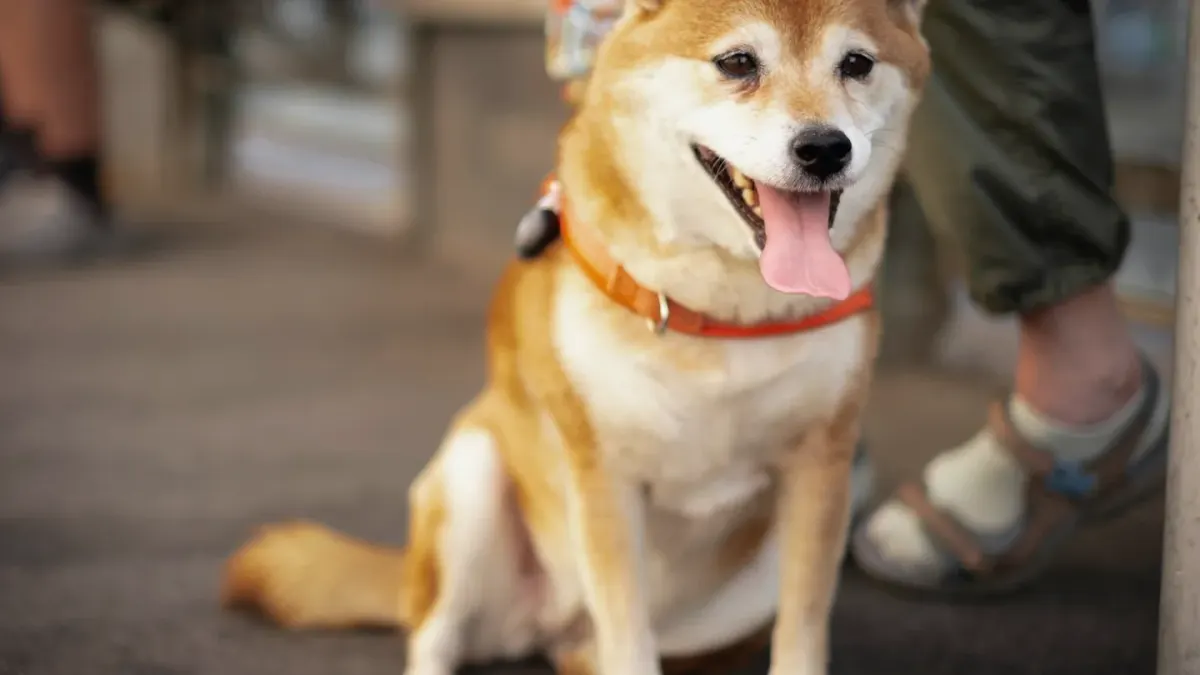
You reach for the lead and your dog melts backward, ducks the clip, and watches you from behind the coffee table. Training has not failed, but forward motion has stalled and pushing through will only teach her that the lead predicts pressure.
I see this pattern often around four to six months, and again with newly adopted adult dogs three weeks in when the novelty wears off. A two-year-old, 48-pound mixed breed I counseled recently would sit nicely for a treat in the kitchen, then pancake to the floor the second the lead appeared by the door. By day 10 the owner was frustrated and convinced the dog was being stubborn. She was not. She had learned a simple chain: lead appears, space shrinks, choices disappear.
What should you prioritize when that happens? Expectation first: stop asking for the walk and start rebuilding the lead as a neutral cue. That is the recommendation I defend for most families, even though it feels slower than just clipping on and going.
Why does backing away happen right at the clip?
Backing away is usually avoidance, not disobedience. The dog may have been startled by the clasp sound, leaned over and crowded, clipped while pulling away, or hurried out before she was ready. Pain around the neck, a collar that pinches, or a slippery floor that makes her brace can add to it.
Watch the whole body, not just the feet. Turning the head away, lip licking, yawning when not tired, tucked tail, low crouch, and scooting backward are all distance-increasing signals. If you reach further as she retreats, you confirm her worry that hands near the collar mean she cannot say no.
That is why I lean on the guidance from the American Veterinary Society of Animal Behavior on favoring low-stress, reward-based methods for fear-related avoidance. Force may get the clip on today, but it makes tomorrow’s retreat start earlier.
What to check before you train again?
Use this baseline check, and talk with your own veterinarian if anything is new or painful:
- Fit and feel: Can you fit two fingers under a flat collar, and does the harness avoid pressing on the throat? Try clipping to a harness for a week to see if neck pressure was part of the problem.
- Health baseline: New head-shyness, yelping, scratching at the collar, or reluctance on stairs deserves a veterinary exam before more reps.
- Setup: Crowded entryways, kids hovering, another dog rushing the door, and looming over the dog all raise pressure at the exact moment you need calm.
How do you restart without creating a bigger standoff?
Move the training away from the door. Work in the living room where walks do not immediately follow, and keep sessions to three to five minutes so you quit while the dog is still willing. Short, successful reps may help support learning better than one long, tense session, and you can learn more about keeping sessions brief in How Long Should a Training Session Be to Tire the Brain?
Break the chain into pieces she can say yes to:
Make the lead boring again
Lay the lead on the floor and reward glances, sniffs, and any movement toward it. Pick it up, put it down. Touch the clasp to the collar without clipping, then treat away from your hands so she does not have to lean in to get paid. The American Kennel Club describes a similar gradual approach of pairing leash handling with rewards before asking for walking, and that slow pairing is what rebuilds trust.
Keep your mechanics clean. Present the clip from the side rather than reaching over the head. Mark the instant of cooperation with a calm “yes,” then deliver the treat low and to the side so she can reset without crowding you.
It takes restraint not to chase the last rep.
The middle of the work often looks messier than the start. One owner with a nine-month-old, 32-pound beagle mix did everything right for five days — lead on the floor, treats for approaches, no walks from the front door. On day six she got impatient before work, followed the dog around the kitchen island with the lead open, cornered him gently, and clipped on while he froze. He walked, but that night he started leaving the room when she touched the lead basket. By three weeks in he would not enter the kitchen if the lead was in her hand. The tradeoff was clear: one forced success cost twelve easy reps. We had to move the lead to a different hook, switch to a lighter clip for sound sensitivity, and restart with the dog approaching her, not the reverse.
What if she only backs away outside?
Some dogs clip fine indoors and reverse the moment you step onto the porch. That is often not about the clip at all. Traffic noise, a tight stairwell, a retractable lead that tugs, or the sudden loss of slack can make forward movement feel unsafe.
Give her length and choice. A long line in an open area lets you practice departures without reeling her in, which is one reason I often point owners to Long Line vs. Retractable Leash for Training: What Actually Belongs on Your Dog. Let her step out, mark and reward two steps of slack-lead walking, then end. If she backs up, stand still, soften your arm, and wait. Do not pull forward to persuade her.
If fear of noises, people, or new places seems to drive the retreat, compare notes with your veterinarian and review the overview from VCA Animal Hospitals on how fear-related behaviors develop and why flooding makes them worse. Individual dogs vary widely in temperament and thresholds.
The strongest counterargument I hear is that you should just clip and go so the dog “gets used to it.”
Exposure alone can work if the dog is only mildly unsure and the walk itself is pleasant. But for a dog already backing away, repeated forced departures often sensitize rather than habituate, and the avoidance gets faster and earlier. That is why I still land on rebuilding choice first, even when it delays the walk by a week.
A later wrinkle surprises many owners. A five-year-old, 61-pound Labrador knew his lead perfectly and walked well for years, then began backing away after a dental procedure when his new martingale collar put pressure behind his ears. At his recheck on day 12 the owner mentioned training had “regressed,” and the exam showed collar sensitivity, not attitude. We switched to a front-clip harness for two weeks, kept the lead work to treat-pouch games from How to Use a Training Treat Pouch Effectively, and his approach returned without any correction. Edge cases like pain remind me to recheck the body before I relabel the behavior.
When should you change the plan?
Pause and get hands-on help if you see growling, snapping, freezing for more than a few seconds, panic attempts to bolt, or no progress after seven to ten days of consistent short sessions. Those signs point beyond a simple handling hitch and deserve a veterinarian visit and a qualified force-free trainer, ideally before the avoidance spreads to other handling.
Keep your baseline notes simple: date, location, what step you tried, and what the dog did. Small trends tell you whether to stay the course or adjust.
You are not behind if you spend a week not going for real walks. Play in the yard, train indoors, and let the lead mean easy wins again.
Frequently asked questions
Should I follow my dog when she backs away from the lead?
No. Stand still, soften your arm, and let her reset. Following teaches her she must move farther to get space.
How long should restart sessions be?
Keep them to three to five minutes and end while your dog is still willing. Several short sessions beat one long, tense one.
Is it okay to switch to a harness if the collar seems to be the issue?
Yes, for many dogs a well-fitted harness reduces neck pressure during retraining. Check fit and ask your veterinarian if neck pain or coughing is involved.
Sources
- AVSAB Position Statement on Humane Dog Training — American Veterinary Society of Animal Behavior
- Fears and Phobias in Dogs – Animals and People — VCA Animal Hospitals