Shop types of dog breeds by the job they were bred for if you want behavior you can live with.
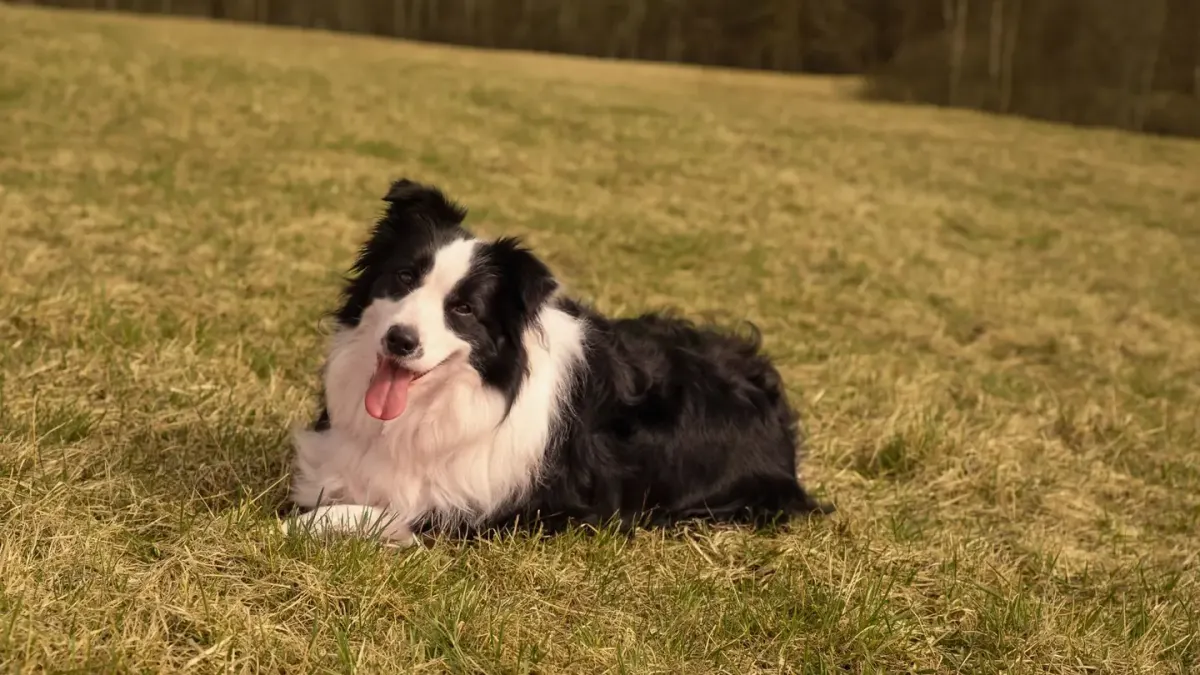
Picking a dog by size or coat often misses what will shape your mornings, evenings and weekends: what that dog was bred to do all day. Herding breeds were selected to notice movement and control it, sporting breeds to run, search and retrieve for hours, terriers to work independently underground, hounds to follow scent or sight over distance, working breeds to guard, pull or rescue, toy breeds for close companionship, and non-sporting breeds as a varied group of generalists. That history is not destiny — individual dogs vary widely — but it predicts stamina, vocal tendency, trainability and need for direction better than weight does.
Why the old job still runs the show
Breed groups are occupational categories. breeds into sporting, hound, working, terrier, toy, non-sporting, herding and miscellaneous classes based on original function, and a similar job-based list maintained by The Kennel Club in the U.K. helps explain why a 35-pound herder can be more demanding than a 70-pound companion breed.
Think in verbs, not nouns. A herder herds, a retriever retrieves, a scenthound sniffs, a guardian guards. Without an outlet, those verbs leak into home life as ankle-nipping, ball obsession, baying on trail scent, or patrolling windows. Owners often describe the shift this way: after I rewarded every glance during a hike, he kept watching me instead of exploring — attention becomes the job when no other job is offered.
I treated a pattern like this with Titan, an 8-year-old neutered male Vizsla mix from Killeen, Texas, whose owner Jean described endless pacing after a move to a smaller yard. His sporting-dog engine had not changed with age or address; once Jean added morning scent games and two short retrieve sessions, the pacing eased. The trial I trust here is not a cardiac trial but the repeated clinical pattern: energy matched to function settles more reliably than energy simply exhausted.
Meet the job families in plain language
Sporting and herding dogs usually need the most daily direction. Pointers, retrievers and spaniels thrive on long walks plus nose or fetch work. Collies, shepherds and cattle dogs thrive on training that uses their eye and timing. If you want detail on that demand, see Which High-Energy Dog Breeds Need a Job to Stay Happy? and the comparison in Border Collie vs Australian Shepherd: The Differences That Actually Change Your Day.
Hounds and terriers need a job that respects independence. Scenthounds will follow odor over recall, sighthounds will chase motion, terriers will dig and dispatch squeaky toys. A fenced area, long line and permitted digging or shredding outlet work better than repeated verbal correction.
Working, guardian and northern types need calm structure and space awareness. They are often quieter in the house but heavier, stronger and more territorial. Early socialization, clear boundaries and honest assessment of your handling experience matter more than yard size.
Toy and many non-sporting breeds were bred primarily for human company. They still need training and enrichment, but their exercise ceiling is lower and their social drive is higher. That makes several of them practical choices covered in Best Dog Breeds for Apartment Living, provided owners do not skip leash manners and alone-time training.
Choose the job that fits your real week
Start with your non-negotiables: hours away from home, stairs and elevator tolerance, grooming time, noise tolerance, budget for training and veterinary care, and experience with strong or vocal dogs. Then match the verbs.
If you run or hike daily and enjoy training, a sporting or herding background fits. If you want a quieter evenings-on-the-couch partner and can offer short walks plus cuddle time, a toy or low-drive companion background fits. If allergies shape the decision, narrow by coat and care needs first in Best Hypoallergenic Dog Breeds for Allergy Sufferers.
Ask the breeder or shelter: what does this line do when under-exercised, how vocal is it, how does it learn new tasks, and what health screening has been done for its group? For heart concerns in particular — murmurs, exercise intolerance, fainting, rapid breathing at rest — ask your own veterinarian about breed-associated cardiac risk and whether echocardiography is indicated. That is structure and function evaluation, distinct from cardiac therapy, and I hedge any breed-risk estimate until imaging and examination support it.
Individual variation remains wide. Meet parents when possible, meet the actual dog more than once, and choose for temperament and care fit over color or size.
Frequently asked questions
Is breed group more important than breed?
Group predicts the general job and energy style, but breed and individual temperament decide the details. Use group to shorten your list, then evaluate the specific dog, its parents when available, and your daily routine with your vet.
Can a high-drive breed be happy in an apartment?
Sometimes, if exercise, mental work and quiet-rest training reliably happen every day. Be honest about time, stairs, noise limits and access to safe off-leash space before choosing a sporting, herding or terrier background for small-space living.
Do mixed-breed dogs follow these job patterns?
Often yes in part. Behavior tends to blend the jobs in the mix, with wide variation even in one litter. Observe what the dog actually rehearses — herding, retrieving, scenting, guarding — and give it a suitable outlet.
Sources
- Breeds A to Z — The Kennel Club