
On this page
A collar seems like a five-minute purchase until you’re standing in the aisle holding a rolled leather buckle collar in one hand and a flat nylon one in the other, both claiming to be “the durable one.” I get asked about this constantly, and the honest answer is that neither material is universally better — the right pick depends on your dog’s coat, your climate, and how often that collar is going to get wet.
What each material is actually built for
Flat nylon is a woven strap, usually with a plastic side-release buckle, and it’s the collar most dogs in the U.S. wear day to day. It’s light, it comes in every color imaginable, and it shrugs off water. According to Pagerie, nylon tolerates moisture well and is washable, which makes it the practical choice for dogs who swim, hike through creeks, or just get muddy on a normal Tuesday walk. The tradeoff is that sun, heat, and repeated pulling weaken nylon fibers over time, and a sudden hard lunge at the end of a leash can snap a buckle that’s already fatigued.
Rolled leather is a different animal — literally a strip of leather rolled into a cylinder and stitched or glued along the seam, rather than left flat. Full-grain leather resists stretching and tearing, and it can last for years, sometimes decades, without the material breaking down the way nylon does under sun exposure. It also softens and molds to a dog’s neck with wear, which owners of dogs who wear a collar 24/7 tend to notice within the first few months.
The coat-friction question nobody explains well
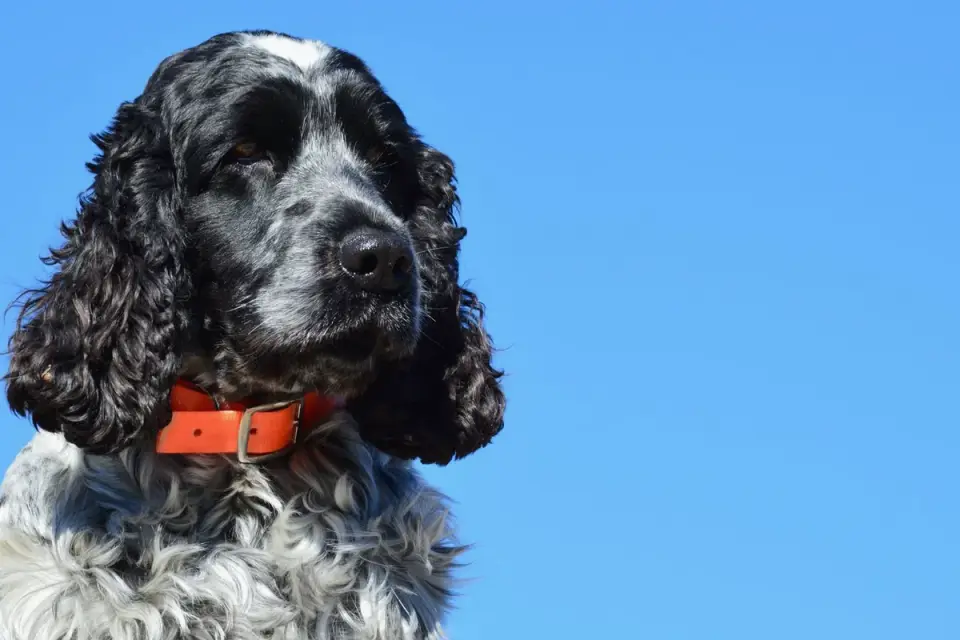
This is where I actually land on a side, because I’ve watched it play out enough times to trust the pattern. A rolled collar’s cylindrical shape means it isn’t pressing a flat band of material against the coat the way a nylon strap does, so it doesn’t grind fur flat against the neck in one spot. For a long-coated or silky-coated breed — a Cocker Spaniel, a Collie, a Yorkie — that matters, because a flat collar worn continuously can mat and thin the fur right where the buckle sits. Per Dog Friendly Co., the rounded profile of a rolled collar reduces friction and helps prevent the tangling and matting that flat collars cause in breeds prone to it. That said, a rolled collar isn’t a free pass — because the contact area is narrower, an active dog whose collar shifts constantly during play can still develop localized matting in one concentrated spot, so it isn’t automatically gentler for every dog, just gentler for the specific problem of a flat band crushing long fur.
I worked with a nine-year-old Cocker Spaniel named Biscuit, about 28 pounds, whose owner brought him in because she’d noticed a ring of thinned, slightly matted fur circling his neck that had gotten worse over about four months. He’d worn the same flat nylon collar since puppyhood, and it had never been an issue on his shorter-coated littermate. Once she switched him to a rolled leather collar and started giving him an hour or two collar-off in the evenings, the ring filled back in over the next couple of months. That’s one dog’s outcome, not a guarantee, but it’s the exact pattern I look for now when a long-coated dog comes in with neck-area coat changes: check the collar shape first, before assuming it’s a skin or thyroid issue.
Where nylon still wins outright
Short-coated dogs — Labradors, Beagles, most working breeds — generally don’t have a coat-friction problem either material solves, so the decision comes down to lifestyle instead. If your dog swims regularly, gets hosed off after muddy hikes, or is a puppy who’s going to outgrow three collar sizes before their adult neck fills in, nylon is the practical answer: it’s inexpensive enough to replace on a growth schedule, it dries fast, and it won’t develop the stiff, cracked feel that leather gets if it’s repeatedly soaked and dried without conditioning. Leather that gets wet often and isn’t cared for will crack and lose the supple quality that makes it comfortable in the first place, so a leather collar on a daily-swimmer is fighting its own material.
ID tags matter more than the collar material
Whichever collar you choose, it needs to be doing its actual job: carrying identification. Per American Humane, a microchip does not replace a collar with up-to-date ID and rabies tags when it comes to quickly identifying a found pet — a tag with a phone number is still the fastest route back to you if your dog gets loose, because it doesn’t require a scanner or a vet visit. That’s worth remembering before you get too focused on rolled versus flat: buy whichever material fits your dog’s coat and your routine, then make sure a legible tag is actually attached. If you’re weighing a collar purchase against a harness for daily walks, it’s also worth reading about front-clip vs back-clip harnesses — the two pieces of gear solve different problems and most dogs end up needing both.
For dogs who are prone to slipping loose, pair whichever collar you choose with a plan for the moments it fails; a GPS tracker for an escape-prone dog is worth a look if that’s a recurring issue in your house, and it’s separate from the collar-versus-harness debate entirely.
Fit and buckle checks, at every collar swap
Getting the material right doesn’t help if the fit is wrong. Two fingers should slide flat under the collar without a fight. Rolled leather in particular needs periodic checking on a growing puppy or a dog whose weight fluctuates, because it doesn’t have the multiple pre-punched holes some nylon collars offer — many leather collars are sized to a fairly narrow adjustment range. Check the buckle or D-ring for wear every few months regardless of material; a nylon buckle under repeated hard pulls is the more common failure point, while a leather collar’s weak spot tends to be the stitching where it’s rolled, which can dry out and crack if the leather isn’t conditioned occasionally.
If you’re deciding whether a collar needs to come off at night or during unsupervised time, that’s a separate safety question from the leather-versus-nylon choice — our guide on whether to take your dog’s collar off at night covers it in more depth, including snagging risks that apply to both materials.
By the time a dog is settled into adulthood, most owners have a sense of which material actually fits their routine, and that’s usually the right time to invest in a higher-quality version of whichever one won.
The bottom line
I’d tell most owners of a short-coated, water-loving dog to stick with nylon and just replace it on a reasonable schedule. For a long-coated breed prone to matting, or an owner who wants one well-made collar to last the dog’s whole adult life, rolled leather earns its higher price. The evidence on which material is objectively “safer” is thin — this mostly comes down to coat type and how the collar gets used day to day, and I’d rather be upfront about that than pretend one material wins in every home.
Frequently asked questions
Is rolled leather better for a dog with a long coat?
Often, yes — the rounded shape reduces the flat friction that can mat and thin fur where a flat collar band sits, though a dog whose collar shifts constantly during play can still get localized matting even with rolled leather.
Can nylon collars get wet and be left to dry naturally?
Yes, that's part of nylon's advantage — it tolerates moisture and machine washing well, which is why it's the more practical choice for dogs who swim or hike through mud regularly.
Does a microchip mean my dog doesn't need a collar tag?
No. A microchip does not replace a collar with current ID and rabies tags for quickly identifying a found pet — keep a legible tag on whichever collar you choose.
Sources
- Leather vs. Nylon Dog Collars: Which is Best for Your Pet? — Pagerie
- Flat vs. Rolled Collars: Which One Suits Your Dog Best? — Dog Friendly Co.
- Identification Tags & Microchips — American Humane