On this page
Start with the leash clip, not the harness itself. That single ring — chest or back — decides most of what the harness will and won’t do for you on a walk.
I’ve spent a fair number of exam-room minutes watching owners loop a leash through whichever ring is closest and head for the door, and it usually shows up later as a training or comfort problem rather than a gear one. One case that stuck with me: a 34-pound mixed-breed named Otis, about two years old, whose owner switched him to a front-clip harness after months of him towing her down the sidewalk on their evening loop. Within three weeks she noticed he stopped lunging into the leash at the end of the block and started checking in with her at the curb instead — not because the harness trained him, but because it changed the physics of what pulling accomplished. What she also noticed, watching him trot in the backyard afterward, was that his front-end stride looked a little shorter and choppier than it had in his old back-clip harness. That tradeoff — better leash manners, slightly more restricted shoulder motion — is the whole story of this comparison, and it’s worth understanding before you buy either kind.
What each clip position actually does to a pulling dog
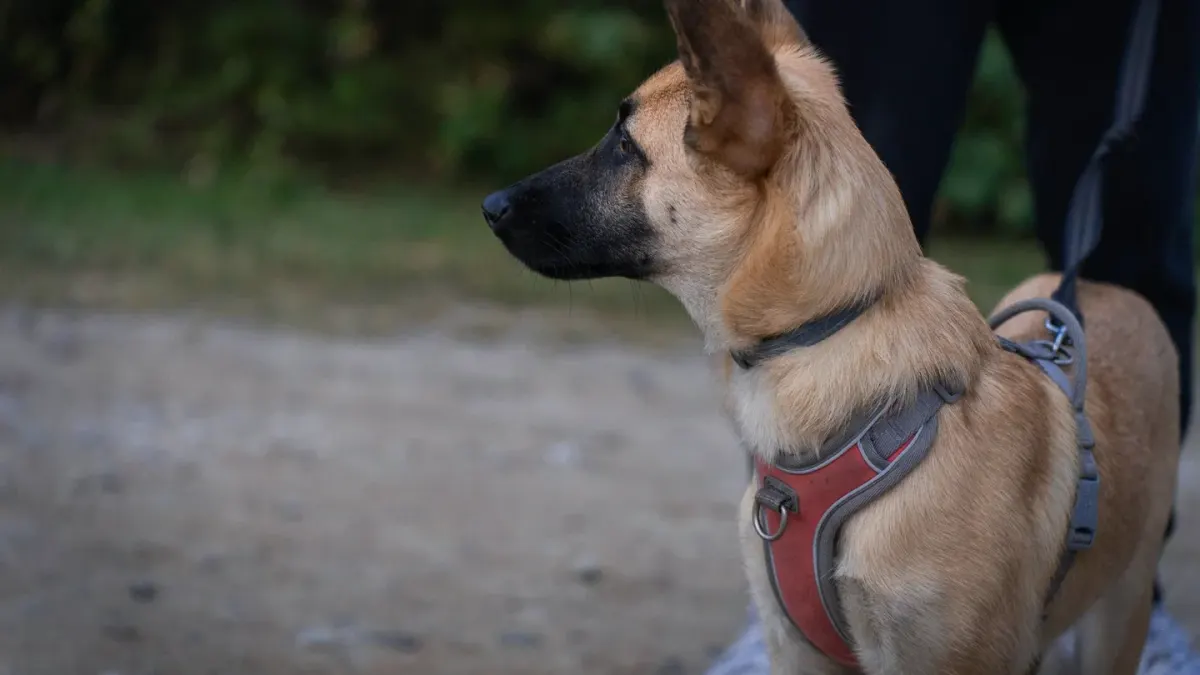
A back-clip harness puts the leash ring between the shoulder blades, in line with the dog’s spine and center of pull. When a dog leans into that, the harness gives the dog something solid to pull against — the same principle sled dogs use, just at a smaller scale. That’s exactly why back-clip harnesses tend to make pulling worse in dogs who already pull: they reward forward drive instead of interrupting it.
A front-clip harness moves the ring to the center of the chest. When the dog pulls, the leash tension pulls the dog’s shoulders sideways, toward the handler, instead of letting them drive straight ahead. That sideways redirection is genuinely useful for leash training — it breaks the straight-line pulling pattern without the neck pressure of a slip lead or the correction of a prong collar, and it doesn’t rely on aversive pressure to work, which lines up with the reward-based, least-invasive equipment AVSAB recommends for training tools generally.
Neither clip position trains a dog by itself. A front-clip harness changes the leverage of a pull; it doesn’t teach loose-leash walking on its own, and dogs who are motivated enough will still drag an owner forward even with the leash clipped at the chest.
The gait tradeoff most buyers never hear about
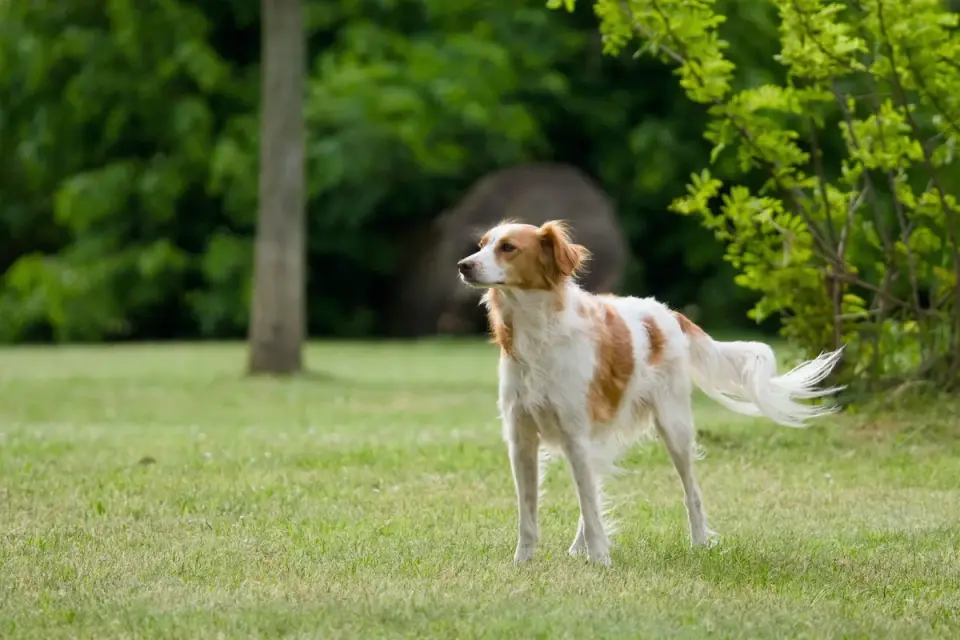
Here’s the part that gets skipped in most buying guides: harness design affects how freely a dog’s front legs swing, independent of whether a leash is even attached. A 2019 study in Veterinary Record measured shoulder extension in dogs walking and trotting in restrictive versus non-restrictive harnesses and found both harness types reduced shoulder extension compared to no harness at all — and the non-restrictive design actually restricted shoulder extension slightly more than the restrictive one at both gaits. The takeaway isn’t “back-clip good, front-clip bad” or vice versa; it’s that any strap crossing in front of the shoulder joint has the potential to shorten stride, and the specific cut of the harness matters more than the clip position alone.
For a dog who only wears a harness on 20-minute neighborhood walks, a small reduction in shoulder extension is unlikely to matter. For a dog who hikes for hours, does agility, or already has a shoulder issue, it’s worth asking your vet whether a Y-front design — which sits above the shoulder joint rather than crossing it — is a better fit than a straight-chest-strap harness, front-clip or not.
Matching the harness to the dog in front of you
Work through these questions before you buy:
Does the dog pull hard enough that a back-clip harness turns walks into a tug-of-war? If yes, a front-clip design, or a dual-clip harness with both rings, is the more practical starting point. Does the dog have a short, sensitive throat or a history of tracheal irritation? Either harness style beats a collar for leash pressure, since the force spreads across the chest and ribs instead of the neck. Is the dog doing serious mileage — running, hiking, agility — where shoulder freedom matters more than pull management? Lean toward a Y-front, back-clip harness that keeps the chest strap clear of the shoulder joint. Is this a small dog with a delicate frame? A well-fitted back-clip harness is usually simpler to size and less likely to cause chest rubbing during normal walking.
None of this replaces actual leash training. A front-clip harness is a management tool while a dog learns; it’s not a substitute for teaching loose-leash walking, and plenty of well-trained dogs walk comfortably on a back-clip harness their whole lives. If a dog is also wearing a GPS tracker for extra security on walks, make sure the unit doesn’t sit under a chest strap where it could rub.
In my experience, the dogs who do best long-term are the ones whose owners treat the harness as a bridge, not a permanent fix. I think of a Beagle I worked with, about six years old, whose owner had tried three different back-clip harnesses over two years without much change in his pulling. We talked through a front-clip switch alongside a basic loose-leash routine — nothing elaborate, just stopping every time the leash went taut. Four months later, on a follow-up visit, she mentioned he was walking on a loose leash most of the time, front-clip harness still on but rarely doing much work. That’s the realistic outcome: better mechanics buy you time and reduce frustration, but the training still has to happen.
Sizing and fit matter more than the clip you pick
A harness that’s the wrong size undoes the benefit of either clip position. A front-clip harness that rides too low will chafe the armpits during any real pulling; a back-clip harness that’s too loose will let the dog twist partway out of it. Before shopping, get an accurate neck, girth, and length measurement rather than guessing from a breed chart — sizing charts vary enough between brands that a “medium” from one company can run small compared to another’s. Fit the harness so two fingers slide comfortably under any strap, and recheck it after the first few walks, since straps stretch and buckles shift.
If overnight comfort and safety are also a concern for your dog — some owners leave a collar on for ID at all times — it’s worth reading up on whether that’s safe to leave on all the time separately from the harness decision, since the two serve different purposes and aren’t interchangeable for ID tags.
The verdict
Choose a front-clip harness if your main problem is a dog who pulls hard on leash and you want a lower-friction way to interrupt that while you train. Choose a back-clip harness if your dog already walks politely, has a sensitive throat, or logs enough mileage that shoulder freedom outweighs pull management. Either way, prioritize a Y-front cut and a correct fit over the clip position itself — the Veterinary Record data suggests the strap geometry does more to shoulder motion than which ring the leash happens to hook into.
Every dog’s build, pulling history, and activity level are different enough that a fit that works for a neighbor’s Labrador may not suit yours; when in doubt about a harness and an existing shoulder or gait issue, run the choice by your vet before you commit to one style for daily hikes.
Frequently asked questions
Is a front-clip harness bad for a dog's shoulders?
Any harness with a strap crossing in front of the shoulder joint can reduce shoulder extension somewhat, according to gait research published in Veterinary Record. The effect is usually modest for casual walking dogs but worth discussing with your vet for dogs doing heavy activity or with an existing shoulder issue.
Can I switch a puppy between front-clip and back-clip harnesses as they grow?
Yes, and many owners do, since a growing puppy's chest and shoulder proportions change quickly. Re-measure and refit regularly rather than assuming a harness that fit at four months still fits at ten.
Do front-clip harnesses stop pulling completely?
No. They change the leverage of a pull, which makes it easier to redirect a dog and less rewarding for them to lunge forward, but they don't replace loose-leash training.
Sources
- Position Statement on Humane Dog Training — American Veterinary Society of Animal Behavior (AVSAB)
- Effects of restrictive and non-restrictive harnesses on shoulder extension in dogs at walk and trot — Veterinary Record