On this page
A shelter kennel can make every small dog look the same: quiet, wide-eyed, and easy. At home, the differences appear fast — one dog naps through work calls, another patrols the windows and barks at every hallway sound.
That gap is why I suggest adopters start with daily life, not weight. A dog under 20 pounds still has a full behavioral repertoire — activity needs, social thresholds, vocal tendencies, and grooming demands — shaped by genetics, early experience, and health. Size tells you what will fit on your lap. It does not tell you what will fit your schedule.
My recommendation is simple: match energy and temperament to your home first, then let size narrow the list. I would change that view if long-term data showed adult weight predicted behavior problems or relinquishment better than activity mismatch does, but current shelter and behavior guidance points the other way.
Why small does not mean low-maintenance
Small dogs live in the same bodies, biochemically, as large dogs. They regulate temperature, process stress hormones, and learn through the same nervous-system pathways. What changes with small stature is margin for error.
Lower body mass means less glycogen reserve, faster heat loss in cold apartments, and teeth crowded into a short jaw. Crowding traps plaque along the gumline, which is one reason daily home care that supports healthy gums may help maintain oral health between cleanings. The evidence for any single chew or rinse preventing periodontal disease is still thin, so I stay with what is defensible: brushing, veterinary exams, and professional care when recommended.
Behavior works the same way. Arousal rises quickly when a dog is startled, under-exercised, or socially overwhelmed. In a 12-pound dog that arousal often looks like barking, trembling, or snapping from a lap or arms, where owners accidentally reward it by holding tighter. Prevention is practical here: predictable routines, Fear Free handling, and training that rewards calm settling.
7 types of small dogs you will meet in adoption
Think of these as patterns you will actually see on shelter bios, not guarantees. Individual dogs vary widely in temperament.
1. The mellow companion
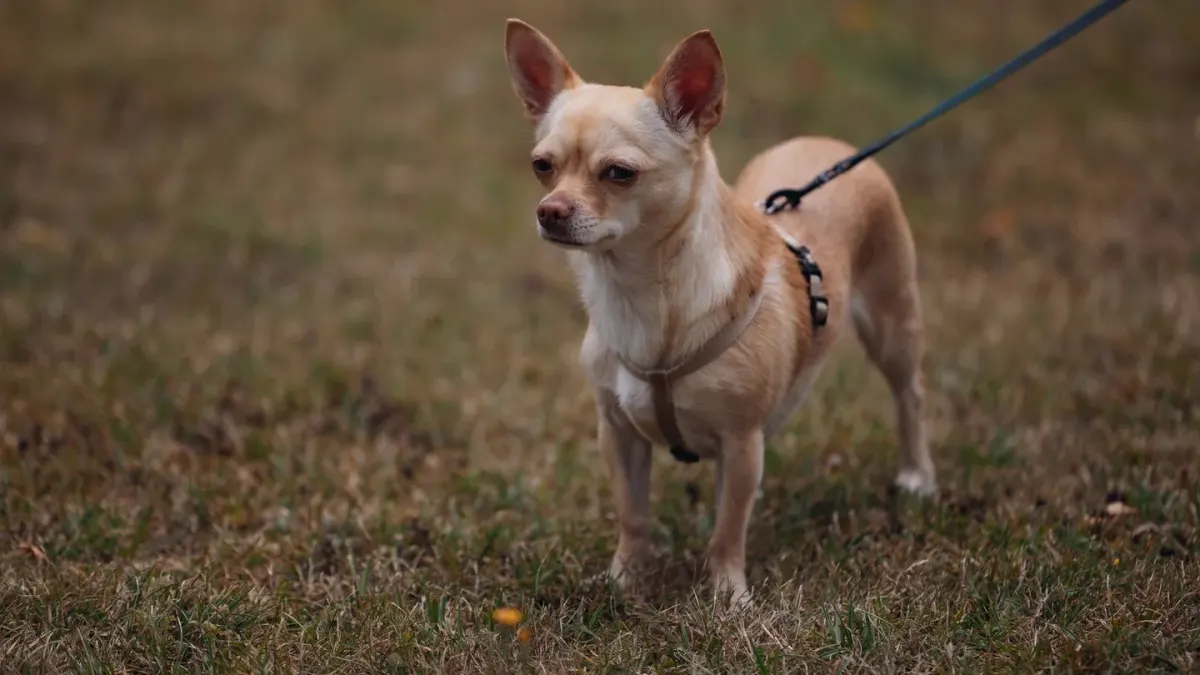
Often listed as Chihuahua, Miniature Pinscher, or small mixed-breed seniors. Many are content with two short walks and long naps.
Seth in Wilmington adopted Ava, a 10-year-old spayed female Miniature Pinscher, after realizing his second-floor apartment suited a dog who preferred a 15-minute morning loop over a 3-mile jog. Her sign that the match was right was unglamorous: she settled on her bed within 10 minutes of coming home. For retirees or remote workers, this pattern is often the easiest fit.
Trade-off: low exercise does not mean low attention. These dogs may follow you room to room and vocalize when left alone for 8 hours.
2. The busy terrier
Cairn, Jack Russell, and terrier mixes. Bred to move, dig, sniff, and decide.
They do well when mental work is built into the day — scatter feeding, flirt-pole play in short bursts, and reward-based training. Without it, that busy brain remodels your baseboards.
3. The social velcro dog
Cavalier King Charles Spaniel, Maltese, and Havanese types. They were selected for proximity to people.
In practice, Vets often see separation distress cluster in this group when owners work long shifts with no midday break. Plan for companionship coverage before adoption, not after.
4. The alert watchdog
Miniature Schnauzer, Pomeranian, and Dachshund mixes. Quick to notice, quick to announce.
This is physiology, not spite: a low threshold for auditory stimuli plus rapid vocal response. Apartment adopters should ask the shelter how the dog reacts to hallway noise and whether quiet-settle training has started.
5. The sensitive rescue
Any small breed after a rough start — hoarding cases, long shelter stays, or frequent rehoming. Expect a longer decompression curve.
Give them 3 weeks of low pressure: same walking route, same feeding spot, visitors kept to a count of zero to two. Progress is measured in small signs, like eating within 5 minutes instead of hiding.
6. The playful small-large mix
Mila, a 4-year-old spayed female Portuguese Water Dog mix owned by Carolyn in Surprise, Arizona, shows why weight cutoffs mislead. At just over small-dog size, she plays like a sporting dog and needs a full hour of activity split across the day. Adopters who chose her for looks alone would miss the exercise math.
Lesson: read the behavior notes, not just the weight on the card.
7. The grooming-intensive coat
Shih Tzu, Yorkshire Terrier, Poodle mixes, and long-coated Chihuahuas. The coat is a care schedule.
Mats pull skin, trap moisture, and make handling painful, which then makes future grooming harder. If you cannot commit to brushing every 1 to 2 days plus professional grooming every 6 to 8 weeks, choose a smooth-coated dog instead. That is kinder than hoping you will change.
How to read a shelter bio like a vet
Start with the three lines most adopters skip.
Activity and rest pattern matters more than age alone. Look for phrases like “settles after a 20-minute walk” or “needs ongoing training for jumping.” Ask what a normal day looked like in foster care.
Social thresholds come next. The ASPCA general dog-care guidance reminds owners that routine, socialization, and preventive veterinary care shape behavior over time. Ask: how does this dog do with strangers entering, with children moving quickly, with other dogs on leash within 10 feet?
Health baseline rounds it out. Small breeds often arrive with dental tartar, retained deciduous teeth in young dogs, or luxating patellas. None automatically rules a dog out, but get a written exam summary and ask what your own vet should recheck in the first 14 days. The AVMA pet-owner resources outline that first-exam, vaccine, parasite, and prevention planning.
One short paragraph to carry with you.
Small-dog problems are rarely about inches or pounds. They are about unmet needs expressed at close range.
Setting up a small-dog home before day one
Gear does not train a dog, but the wrong setup creates friction you will feel daily.
Choose a crate that allows stand, turn, and lie flat without excess space that invites indoor elimination; our comparison of Wire vs Plastic vs Soft-Sided Crate: How to Actually Choose walks through that trade-off. For walks, fit a secure harness rather than relying on collar pressure on a small trachea, and practice leash skills in a hallway before a busy sidewalk.
For decompression walks, a long line can give sniffing freedom without off-leash risk. Our field comparison of Biothane vs Nylon vs Leather Long Line: A Vet’s Field-Tested Comparison explains which material tangles less around small legs.
Stock the same basics your vet will ask about: complete diet appropriate for size and life stage, water available through the day, ID tag and microchip registration, and a dental home-care plan you will actually use.
What I would do this week if you are ready
Narrow to two temperament patterns, not seven breeds. Visit twice, once on a quiet weekday morning if possible. Ask staff what support they offer after adoption — many shelters include a follow-up call, training discount, or medical recheck window.
Then book a new-pet exam within the first week. Bring the shelter records, a 3-day food log, and notes on sleep, appetite, stool, coughing, scratching, and behavior. That visit is where structure meets function: weight and body condition, teeth and gums, knees and heart, plus a prevention plan you can maintain.
If the right match is a calm 14-year-old who needs dental care and a warm bed, that is a success. Adoption is not about finding the smallest dog. It is about finding the dog whose needs you can meet on an ordinary Tuesday.
Frequently asked questions
Are small dogs good for apartments?
Many are, but noise and separation time matter more than square footage. Ask how the dog reacts to hallway sounds and how long they rest calmly alone.
How much exercise does an adopted small dog need?
It varies by temperament, not just size. Many do well with two 15 to 20 minute walks plus play and sniffing time; busy terrier types often need more mental work.
What should I ask the shelter before adopting a small dog?
Ask about daily routine in foster care, behavior with strangers and other dogs, housetraining progress, medical records, and what post-adoption support is included.
Sources
- General Dog Care — ASPCA
- Pet Care Resources — AVMA
- Fear Free Happy Homes — Fear Free