On this page
Checklist: what to weigh before you buy a long line
- Wet-weather use — biothane sheds water and mud; nylon soaks it up and takes hours to dry.
- Hand feel on a fast unspool — nylon and rope-style lines grip a palm better; biothane can slip when wet with dew or saliva.
- Weight carried by the dog — nylon is lighter per foot, which matters on a 30-foot line dragging behind a small dog.
- Odor and bacteria — biothane wipes clean after a line drags through mud or standing water; nylon holds onto smell.
- Long-term stretch and fray — biothane resists fraying at the clip end; nylon webbing frays with repeated soak-dry cycles.
- Cost and replacement cycle — nylon is cheaper up front; biothane’s coated webbing is built to outlast it if the coating stays intact.
- Training use case — a slick coating changes how a line feeds through your hand during recall work, which matters more than most buyers expect.
I’ve fitted enough dogs for long-line recall work to know the leash material matters as much as the length. A 25-pound Cattle Dog mix named Ruby comes to mind — her owner switched her from a soaked, mud-caked nylon line to a coated one after a spring of drainage-ditch walks left the nylon smelling and stiff by June. The dog didn’t care. The owner’s hands did.
What each material is actually made of
Nylon long lines are woven synthetic fiber — light, inexpensive, and available in nearly any color or length. They flex easily and grip well in a bare or gloved hand, which is part of why trainers reach for them during recall drills where quick hand adjustments matter.
Biothane is different at the core: a Biothane Coated Webbing – Animal Applications: Biothane coated webbing product built around a polyester core bonded to a TPU or PVC outer layer. That coating is what gives it a waterproof, wipeable surface rather than an absorbent one. The same manufacturer’s Frequently Asked Questions about BioThane page notes it doesn’t require oiling or conditioning the way leather does, and it holds up without cracking or fading under repeated wet-dry cycles — which is the exact stress a long line sees on a rainy-season trail.
Leather sits at the other end: supple with wear, handsome, and traditional, but it needs conditioning and dries stiff if it’s soaked and hung to dry without care. For a long line that regularly drags through puddles, tall wet grass, or a muddy dog park, leather is the highest-maintenance of the three.
Early walks: where nylon still wins
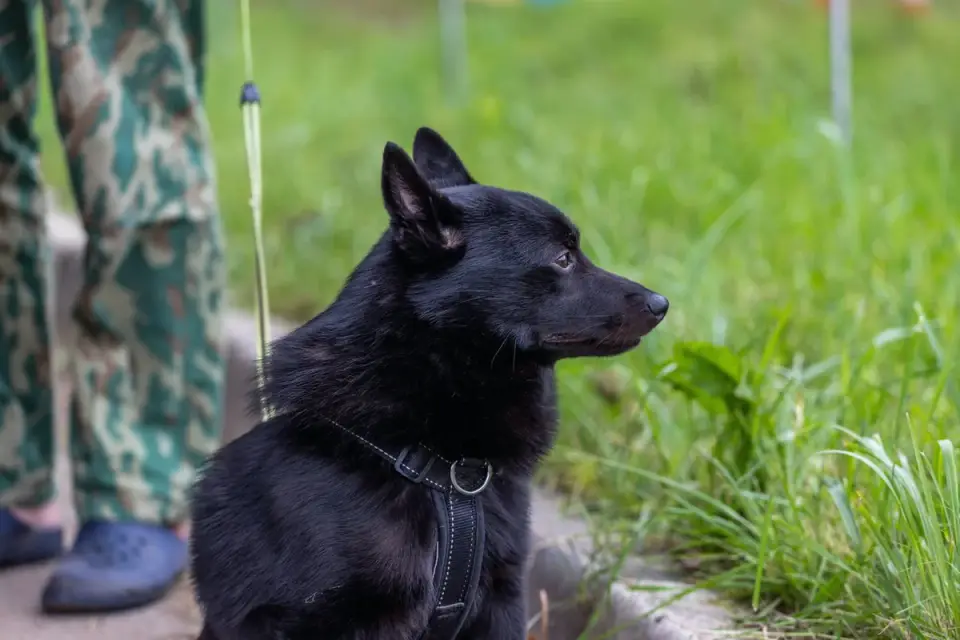
For a new dog just learning long-line basics — short sessions, dry yard, low mud exposure — nylon is a perfectly sound choice, and often the cheapest way to find out whether long-line work suits your dog before investing in something more durable. It’s light on a small dog’s neck or harness, and it’s easy to find in 15-, 30-, and 50-foot lengths at a range of price points.
The tradeoff shows up over months, not days. Nylon webbing that goes through repeated wet-mud-dry cycles starts to fray at the stitching and stiffen at the clip end, and it holds odor even after a rinse.
Mid-season: when the coating starts to matter
Somewhere around the third or fourth month of regular outdoor use, the material differences stop being theoretical. This is where I steer most clients toward biothane if their dog trains outdoors year-round. In one training case I worked through with a client’s young Shepherd mix, the line went through creek crossings twice a week for a summer; the nylon version she started with needed replacing by August, while a coated line held its shape and clip integrity through the same conditions.
That’s a single case, not a controlled study, and I say that on purpose — the evidence comparing long-line materials head-to-head under standardized wear is thin, and most of what’s available is manufacturer-reported durability rather than independent testing. What’s well documented is the material science: Bolder K9: BioThane vs. Nylon: Which Is Better? describes nylon as prone to absorbing water, collecting odor, and degrading under UV exposure, while biothane resists all three by design of its coated construction.
One real safety consideration applies to any long line, regardless of material: rope-style and thin webbing lines can cause friction injuries to a handler’s hands or a dog’s skin if the line runs fast through a closed grip, sometimes called leash or rope burn — irritation ranging from redness to broken skin depending on speed and pressure. Choosing a wider, flatter line and wearing a glove during fast unspools reduces that risk more than material choice alone does.
If your dog pulls hard enough to be a flight risk on a long line, pair the material decision with a properly fitted harness — our guide to Front-Clip vs. Back-Clip Dog Harness covers how clip position changes pulling mechanics, which matters as much as the leash itself.
Active adult use: matching material to the work
For dogs doing serious recall training, tracking work, or scent-detection foundations, handlers often prefer biothane specifically because a wet or muddy line doesn’t change its grip or weight the way a soaked nylon line does. A nylon line that’s absorbed water on a lake walk gets noticeably heavier and stiffer by the walk’s end; a coated line stays close to its dry weight and simply wipes clean when you get back to the car.
That said, biothane’s slicker surface is a real tradeoff during fast-paced work. If your dog bolts hard and the line runs through your hand quickly, a smooth coating can slip more than woven nylon’s texture would, so grip technique and gloves matter more with a coated line than with a textured one.
Senior dogs and lower-intensity walks
Older dogs on shorter, slower long-line outings rarely put a leash through the wear that younger, high-drive dogs do. Weight becomes the bigger factor here — a lightweight nylon line is often kinder on an arthritic neck or a harness attachment point than a stiffer coated one, and the odor and mud-resistance advantages of biothane matter less when walks are shorter and drier by nature. If your senior dog is out at dawn or dusk, it’s also worth thinking about visibility and whether the leash setup interacts safely with a collar left on overnight — our guide on whether to take a dog’s collar off at night is a useful companion read for that broader safety picture.
A short note here, because it’s easy to forget: no leash material substitutes for a securely fitted collar or harness. I’ve had more owners come to me over a slipped collar than a frayed leash.
I still think about a case from a few winters back — a twelve-year-old Beagle named Otis, stiff in the hips, whose owner had switched him to a short, light biothane line specifically because it wouldn’t ice up or stiffen the way her old nylon line did on frozen mornings. Otis wasn’t doing recall drills anymore; he was doing slow sniff-walks around the block, and the line’s only job was to stay light in her hand and dry when she looped it over a hook by the door. That’s a small, specific use case, and it’s exactly the kind of decision where material matters more than most owners expect going in — not because one material is universally better, but because it matched what that particular walk actually demanded.
The verdict
Biothane earns its higher price tag for dogs and handlers who are outdoors often, in wet or muddy conditions, or doing frequent long-line training — the wipe-clean, non-absorbent coating solves a real, recurring problem that nylon doesn’t. Nylon remains the sensible pick for light, dry-weather use, smaller dogs where line weight matters, or anyone testing out long-line work before committing to a pricier option. Leather, honestly, is the hardest of the three to recommend for a working long line unless you’re prepared for regular conditioning — it’s better suited to shorter leashes used mostly indoors or in dry climates.
Sources
- Biothane Coated Webbing – Animal Applications — Biothane
- Frequently Asked Questions about BioThane — Biothane
- BioThane vs. Nylon: Which Is Better? — Bolder K9